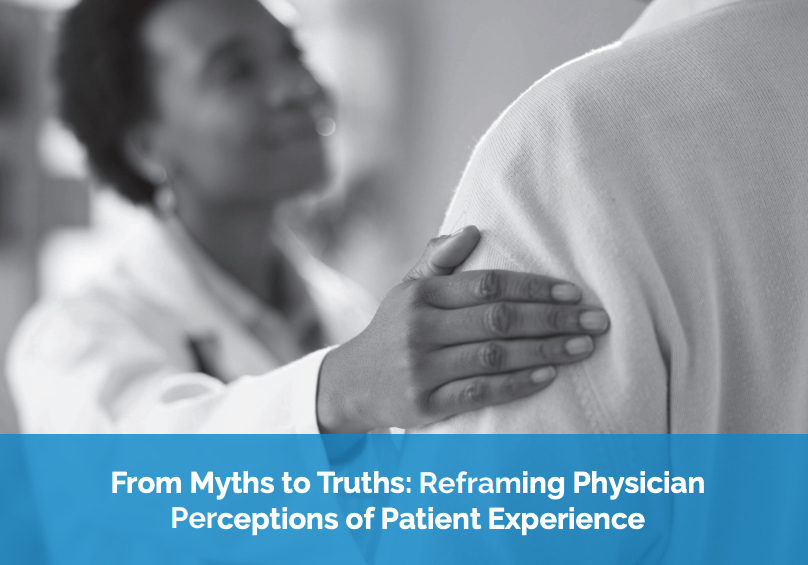
Beyond Technical Skill: Why Patient Experience is the Cornerstone of Modern Healthcare
For decades, the medical profession has rightfully prioritized clinical expertise and life-saving interventions. However, a growing body of evidence reveals a critical, often overlooked component of quality care: the patient experience. This isn’t about “fluff” or superficial amenities; it’s about recognizing that how care is delivered is just as vital as what care is delivered. This article dismantles common misconceptions surrounding patient experience, demonstrating its profound impact on safety, outcomes, and even physician well-being, and argues for a fundamental shift in medical training and practice.
The Persistent Myths Holding Healthcare Back
Historically, several beliefs have minimized the importance of the patient experience. These myths, while understandable given the demanding nature of healthcare, are demonstrably false and actively hinder progress. Let’s address them head-on:
- “It’s my job to save lives; patient experience is someone else’s job.”
- “Patient experience is all fluff.”
- “Patient experience surveys are not helpful.”
- “I already communicate well with my patients. I don’t need dialog skills training.”
- “My job is hard enough – being empathetic is going to take too much time and leads to burnout.”
These beliefs represent a important blind spot in modern medical practice.The following analysis, grounded in scientific literature, will transform these myths into undeniable truths, revealing why prioritizing the patient experience is not just “nice to have,” but essential for delivering truly exceptional care.
Patient Experience: A Hard Quality Metric, Not a “Soft Skill”
The notion that patient experience is merely about comfortable waiting rooms or palatable hospital food is a risky oversimplification. The reality is far more profound. Research consistently demonstrates that the interaction between a physician and patient is the single most powerful driver of overall experience.
More importantly, patient experience is a quantifiable, “hard” quality metric directly linked to tangible improvements in patient safety and clinical outcomes. Consider the following:
* Enhanced Patient Safety: Positive patient experience scores correlate directly with a greater ability to identify medical errors, adverse events, and safety concerns like post-operative hemorrhage, sepsis, and respiratory failure. A systematic review unequivocally links poor communication to increased instances of adverse events, errors, and patient harm. When patients feel heard and respected, they are more likely to voice concerns that can prevent critical mistakes.
* Improved Treatment Adherence: Patients are a remarkable 1.6 times more likely to adhere to medical treatment plans when their physician has received communication training. This translates to better medication adherence, more diligent self-care (especially in chronic conditions like hypertension), and ultimately, improved health outcomes.
* Reduced healthcare Costs: Investing in patient experience isn’t just ethically sound; it’s fiscally responsible. Higher patient experience scores are demonstrably associated with reduced Medicare spending per beneficiary, highlighting the economic benefits of prioritizing patient-centered care.
* Increased Diagnostic Accuracy: Accurate diagnosis, the foundation of effective treatment, hinges on excellent bidirectional communication. Diagnostic error is a leading cause of morbidity and mortality, and fostering open, empathetic dialogue between patients and clinicians is crucial for mitigating this risk.
The Empathy Paradox: Compassion Doesn’t Cause Burnout – It Prevents it
Perhaps the most pervasive myth is the fear that prioritizing empathy will lead to physician burnout. This is demonstrably false.In fact, the evidence points to the opposite: a strong negative correlation between burnout and empathy.
This phenomenon, often referred to as the ”empathy paradox,” is rooted in several factors:
* The “Helper’s High”: Expressing compassion triggers the release of neurochemicals associated with positive emotions, leading to what researchers call the “helper’s high.” This can actively alleviate feelings of depression and stress,counteracting the emotional toll of demanding medical work. physician compassion has been independently linked to lower rates of burnout.
* Workflow Efficiency Through Effective Communication: The belief that empathy adds time to patient encounters is a misconception. Research reveals that missed opportunities to respond with empathy actually prolong visits. Effective communication minimizes misunderstandings, reduces the need for repeated explanations, and streamlines the entire process. Simple gestures – a warm introduction, a genuine smile, sitting down to speak with a patient – can convey empathy without considerably impacting time constraints.
A Call for Lifelong Communication Discipline: It’s Not About If You Communicate Well, But How
Many physicians believe they already possess strong communication skills. However, studies consistently reveal a significant disconnect between self-perception and reality.
Keep reading