At least six U.S. states have declined invitations to participate in the “Great American State Fair,” a project associated with the transition team of President-elect Donald Trump. Officials from states including Oregon, New Mexico, and Colorado have confirmed they will not send delegations or exhibits to the event, which is scheduled to take place in Washington, D.C., in January 2025. The withdrawals highlight a growing divide between state-level administrations and the incoming federal leadership regarding participation in inaugural-adjacent festivities.
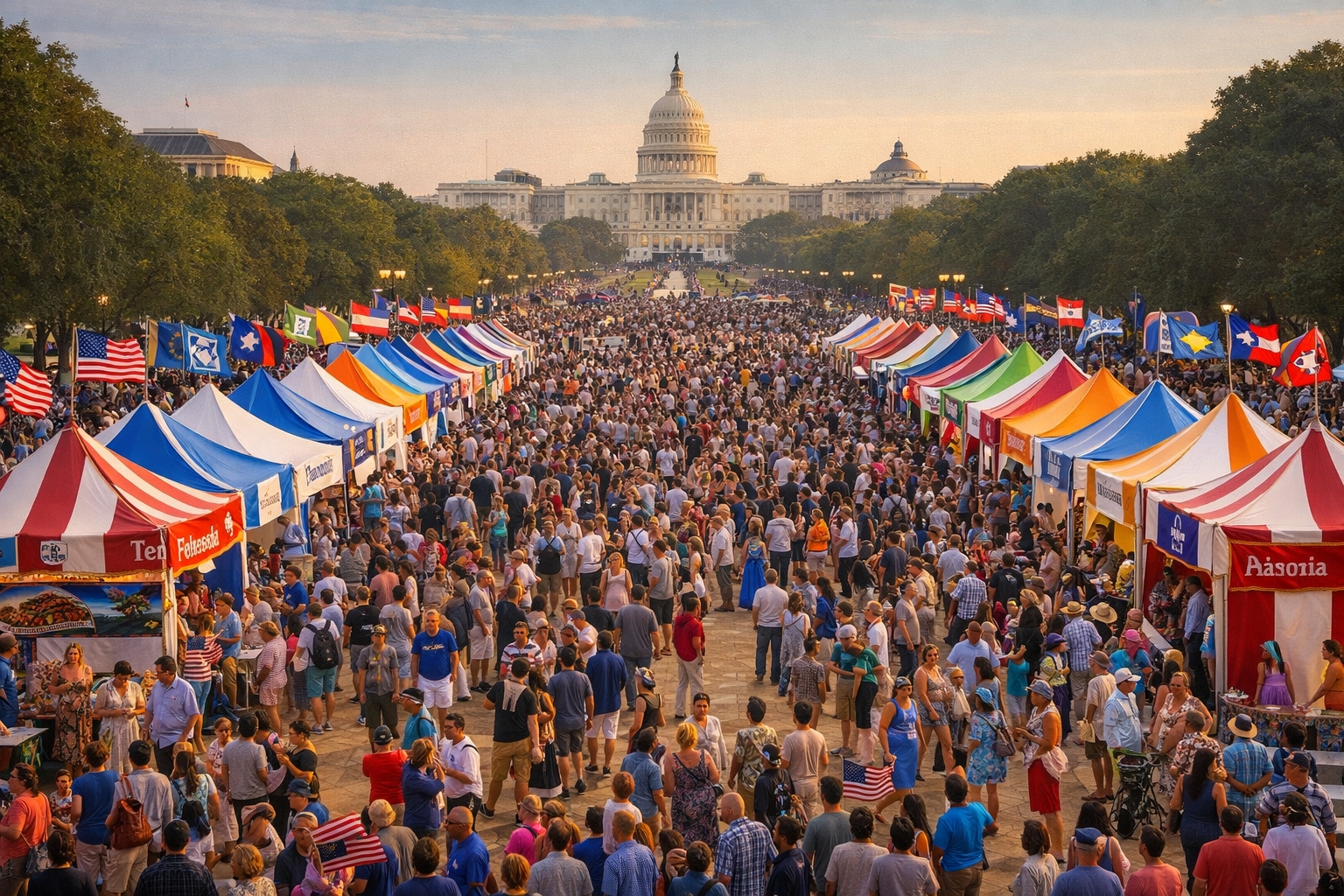
The Great American State Fair is intended to showcase regional culture, industry, and agriculture from all 50 states on the National Mall. However, the planning process has faced logistical and political hurdles as state governors and tourism boards evaluate the invitation against their own budgetary priorities and political alignments. According to reports from the Seattle Times and CNN, the list of states opting out continues to evolve as transition organizers finalize the scope of the January event.
Reasons for State Withdrawals
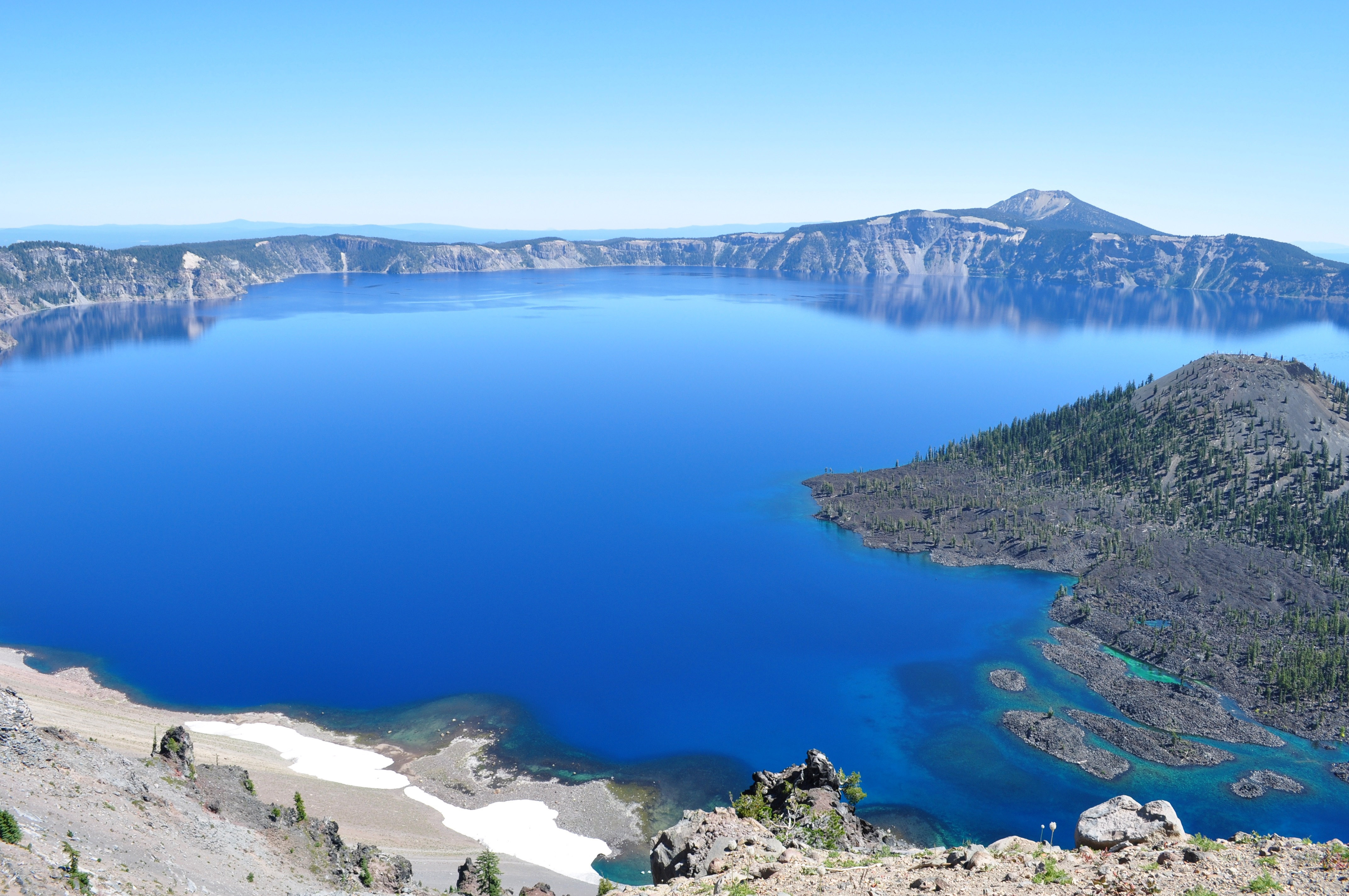
State officials cite a variety of reasons for declining the invitation, ranging from scheduling conflicts to concerns over the cost of participation. In Oregon, the state’s tourism commission stated that the timing and the nature of the event did not align with their current outreach strategy. Similarly, representatives from other states noted that the short notice provided by the incoming administration made it difficult to secure the necessary funding and staffing required to mount a high-quality exhibit in the nation’s capital.
For many state agencies, participation in a national fair involves significant logistical planning, including the transportation of goods, personnel, and interactive displays. According to USA Today, the financial burden of such an undertaking often falls on state tourism budgets, which are typically planned months or years in advance. Without a clear guarantee of federal subsidies to cover these costs, several states have determined that the return on investment is insufficient.
Political and Logistical Context
The Great American State Fair is designed to coincide with the inauguration of Donald Trump, serving as a public-facing event to celebrate American industries. The concept is modeled after traditional state fairs, which are staples of American regional identity. However, the inclusion of such an event during the transition period has sparked debate regarding the use of public space on the National Mall.
Public events held on federal land, such as the National Mall, are overseen by the National Park Service. According to National Park Service guidelines, permits for large-scale events require extensive coordination with local and federal authorities to ensure security and public safety. The transition team’s effort to organize the fair in a condensed timeframe has created a complex regulatory environment, further complicating the participation of states that prefer to avoid the potential controversy associated with the transition’s political brand.
Which States Have Declined Participation
While the roster of participants remains fluid, multiple states have formally communicated their decision to abstain. The following states have been identified by various news outlets as having declined the invitation:
- Oregon: Cited logistical constraints and lack of strategic alignment.
- New Mexico: Declined citing budgetary considerations.
- Colorado: Stated that current state priorities do not include participation in the event.
- Additional states: Reports from NOTUS indicate that at least three other states have declined, bringing the total to at least six, though specific reasons for each remain internal to those state administrations.
The decision-making process for these states appears to be largely autonomous, with governors and tourism directors weighing the potential political optics of the event against the practical benefits of showcasing their state to a national audience. As the inauguration approaches, observers expect further updates on the final list of states that will maintain a presence on the National Mall.
What Happens Next
The transition team is expected to release a finalized list of participating states in the coming weeks. For states that choose to participate, the focus will shift to the installation of exhibits and the coordination of staff for the January event. For those that have declined, the focus remains on local tourism initiatives and state-specific promotional efforts for the upcoming year.
For the latest information regarding the event’s schedule and the final list of participating states, stakeholders and members of the public are encouraged to check the official communications from the transition team as they are released. As this story develops, further details regarding the financial and logistical impacts on participating states will likely become clearer following the conclusion of the inauguration festivities.
Jonathan Reed serves as the News Editor at World Today Journal. With over 16 years of experience in investigative reporting, Reed provides in-depth analysis on international affairs and political developments. For updates on this story and other global news, please follow our coverage and join the conversation in the comments section below.
Related reading