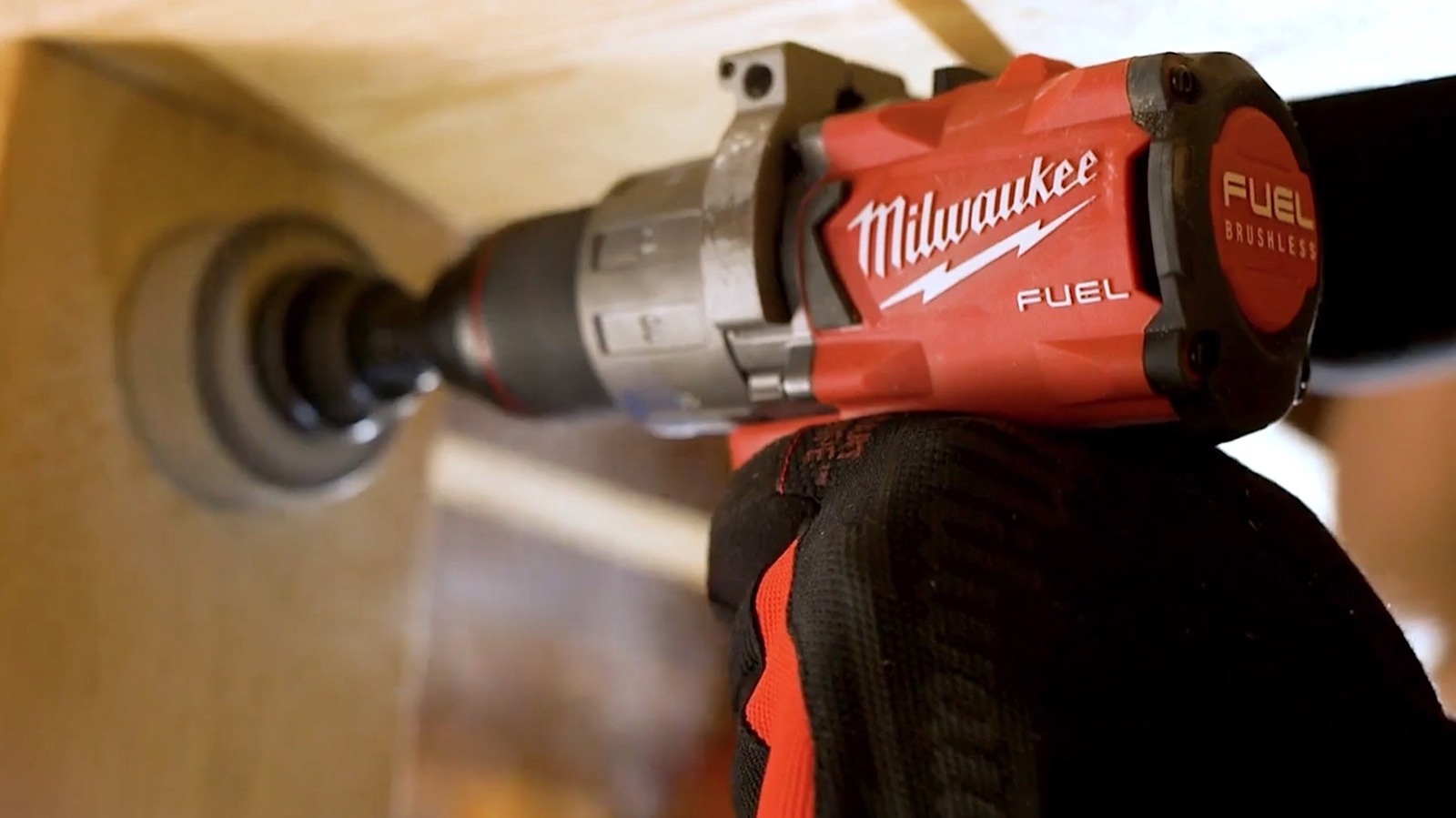
Investing in professional-grade equipment is a cornerstone of any serious workshop, and for many, Milwaukee Tool is the brand of choice. Known for durability and high performance, these tools often come with warranties that are among the most comprehensive in the industry. However, as any experienced technician knows, a warranty is not a blank check for unlimited use. it is a guarantee against specific types of failures.
Understanding the fine print of your Milwaukee tool warranty is essential to ensuring your investment remains protected. While the company offers automatic coverage for many products, there are specific conditions and behaviors that can lead to a warranty claim being denied or a tool being classified as “out of warranty.”
For professionals and DIY enthusiasts alike, the difference between a free replacement and a costly repair often comes down to how the tool was used and where it was purchased. By recognizing the boundaries of this coverage, you can avoid the frustration of a voided claim and ensure your gear stays in peak operating condition.
1. Misuse and Abuse
The most direct way to lose warranty protection is through misuse and abuse. Milwaukee provides a lifetime guarantee on specific products, stating that they are replaceable upon failure over the entire life of the product. However, this guarantee explicitly excludes “misuse & abuse as determined by” the company Milwaukee Tool.
In a professional setting, “abuse” typically refers to using a tool for a task it was not designed to perform—such as using a drill as a hammer or overloading a motor beyond its rated capacity. When a tool is sent to a service center, factory-trained technicians examine the hardware to determine if the failure was caused by a defect in materials or by external stress caused by improper use. If the damage is deemed a result of abuse, the repair will not be free.
2. Normal Wear and Tear
It is a common misconception that a warranty covers every part of a tool until it stops working. In reality, warranties are designed to protect against defects in material or workmanship, not the natural degradation that occurs with use. Milwaukee explicitly categorizes products that are “defective due to normal wear/tear and abuse” as “Out of Warranty” Registration and Warranty.

Consumable parts—such as brushes, switches, or belts that naturally wear down over hundreds of hours of operation—are generally not covered under the “free repair” umbrella. When a tool reaches this stage, it is shifted to a paid service model, though the company provides options to keep the tool operational without requiring a full replacement.
3. Purchasing from Unauthorized Distributors
The origin of your purchase is a critical factor in warranty eligibility. Milwaukee Tool states that products “automatically come with a warranty” specifically when they are purchased from an authorized Milwaukee distributor.
Buying tools from third-party marketplaces, unauthorized resellers, or “grey market” importers can jeopardize your coverage. Because the warranty is tied to the authorized distribution chain, tools sourced from unverified sellers may not be recognized in the system as eligible for free repairs or replacements. To ensure your tools are covered, always verify that the retailer is an official Milwaukee partner.
4. Exceeding the Warranty Period
While some products carry a lifetime guarantee, many others have a strict time limit. For example, most Milwaukee electric power tools are warranted to the original purchaser to be free from defects for a period of five (5) years after the date of purchase, unless otherwise noted.
Once this window closes, the tool is considered “out of warranty.” To determine if a product is still within its coverage period, Milwaukee uses the tool’s date code. If the date code indicates the tool was manufactured beyond the warranty threshold, the owner is no longer eligible for free repairs. However, the company offers a “Lightning Max Repair” (LMR) program for tools outside their warranty periods, ensuring that users can still get their tools fixed at a quoted price without paying more than that initial estimate.
5. Lack of Proof of Purchase for Verification
While Milwaukee notes that registration is not strictly necessary to obtain a warranty, the “warranty verification process” relies heavily on documentation. The company highly recommends that users keep their receipts, as a copy of the invoice or bill of sale “will assist in the warranty verification process” Registration and Warranty.
Without a receipt, the company must rely solely on the tool’s date code to determine the age of the product. This can be problematic if the tool sat in a warehouse for a year before you purchased it, effectively shortening your five-year window. While not “voiding” the warranty in the same way that abuse does, the lack of a receipt can make it significantly harder to prove that a tool is still within its eligible coverage window, potentially leading to a denied free repair.
How to Handle Out-of-Warranty Repairs
If your tool is no longer covered—whether due to the reasons listed above or simply because the time has expired—you still have several options for maintenance. Milwaukee operates a network of hundreds of Authorized Service Centers and 21 Milwaukee Factory Service Centers located across the U.S.
For those seeking convenience, the eService Tool Repair system provides a 24/7 solution. This service includes free FedEx shipping to a Milwaukee Tool repair facility, with most repairs completed within 7-10 business days. For non-qualifying tools, the Lightning Max Repair (LMR) service ensures that the cost remains transparent, as the user will not pay more than the quoted price.
Warranty Summary Table
| Coverage Status | Eligibility Criteria | Cost to User |
|---|---|---|
| In Warranty | Defects in material or workmanship; purchased from authorized distributor. | FREE Repairs/Replacements |
| Out of Warranty | Normal wear and tear, misuse, abuse, or expired time limit. | Quoted Price (LMR) |
| Lifetime Guarantee | Specific qualifying products; excludes misuse and abuse. | Replaceable upon failure |
Key Takeaways for Tool Owners
- Buy Authorized: Only tools from authorized Milwaukee distributors are automatically warranted.
- Save Receipts: Keep your bill of sale to assist in the warranty verification process and accurately determine the tool’s age.
- Avoid Abuse: Using a tool for unintended purposes or overloading it can lead to a “misuse” determination, voiding free repairs.
- Check Date Codes: Be aware that power tools generally have a five-year window from the date of purchase.
- Use eService: For fast turnaround, use the eService portal for free FedEx shipping and a 7-10 business day repair cycle.
To maintain the longevity of your equipment, the next step for any owner should be to locate their nearest authorized service center via the official Milwaukee service center locator to ensure they have a point of contact for future maintenance.
Do you have experience with tool warranty claims? Share your tips for tool maintenance in the comments below or share this guide with a fellow tradesperson.
Worth a look