
Fifty years after its theatrical release, Martin Scorsese’s Taxi Driver remains a defining exploration of urban alienation and the psychological disintegration of the individual within a sprawling American metropolis. Released on February 8, 1976, the film transformed the image of the isolated taxi driver into a haunting symbol of post-Vietnam War era disillusionment, effectively capturing the grit and social decay of 1970s New York City. According to the Library of Congress, the film’s cultural, historical, and aesthetic significance led to its selection for preservation in the National Film Registry in 1994.
The narrative follows Travis Bickle, a lonely, insomnia-stricken veteran who works the night shift in a city he perceives as a cesspool of moral corruption. Portrayed by Robert De Niro, Bickle’s descent into vigilantism serves as a stark critique of the era’s political instability and the failure of social institutions to address the needs of marginalized citizens. The film’s screenplay, penned by Paul Schrader, drew heavily from his own experiences with isolation and his fascination with the diaries of Arthur Bremer, who attempted to assassinate presidential candidate George Wallace in 1972, as documented in archival reports on the film’s production history.
The Cinematic Portrayal of Urban Decay
Scorsese’s direction, combined with Michael Chapman’s cinematography, rendered New York City not merely as a setting, but as a hostile character. The film’s visual language utilizes steam-filled streets, neon-soaked nightscapes, and claustrophobic interiors to mirror Bickle’s internal state. According to the Criterion Collection, the aesthetic choices were heavily influenced by the real-world conditions of New York City during the mid-1970s, a period marked by a severe fiscal crisis and rising crime rates. This environment provided a fertile ground for the film’s exploration of the “lone wolf” archetype.
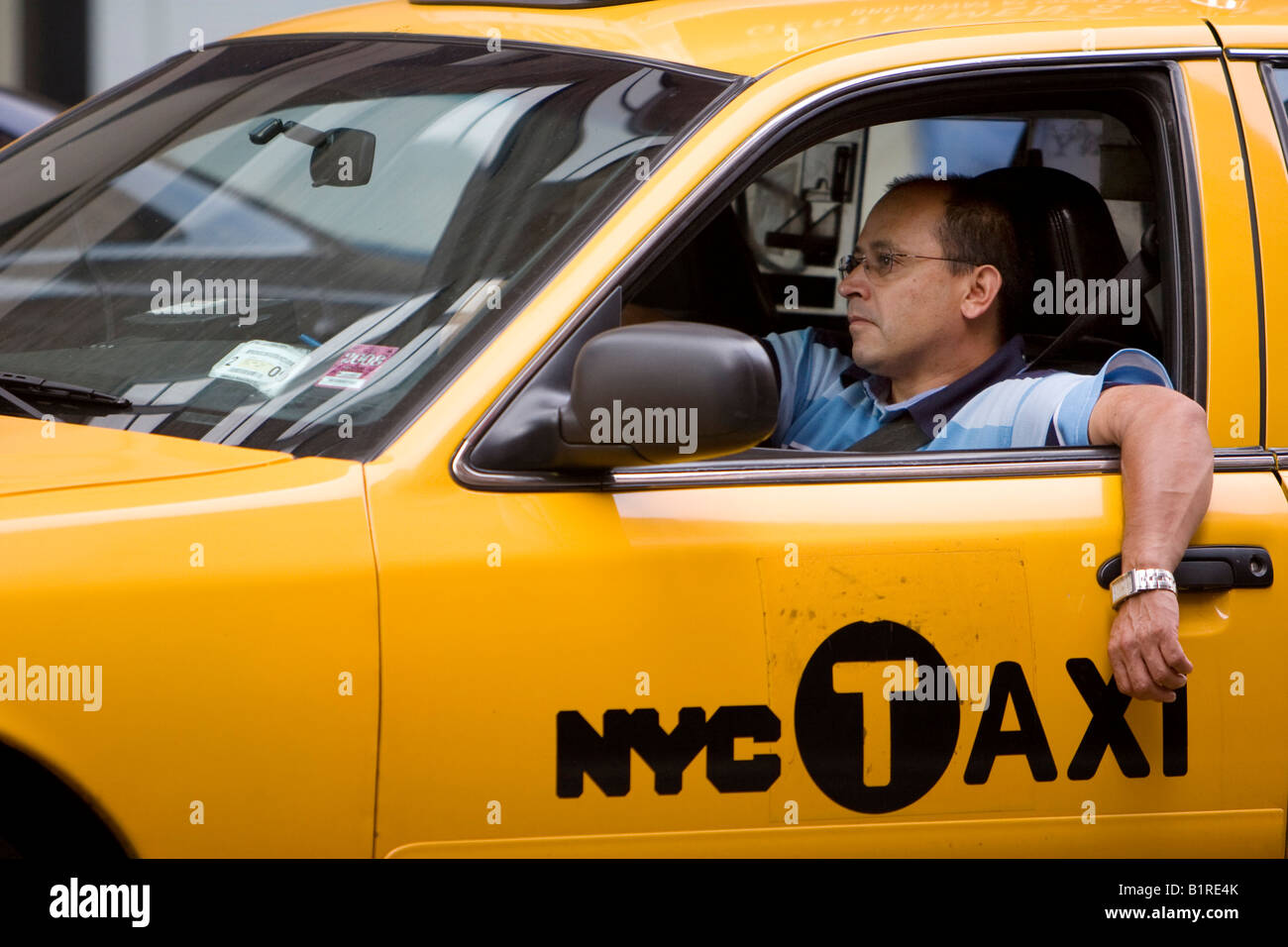
The film’s influence extends beyond its narrative, having fundamentally altered the portrayal of violence in American cinema. The climactic shootout, often cited for its uncompromising and visceral depiction, forced audiences to confront the consequences of Bickle’s distorted heroism. As noted by the British Film Institute, the film’s refusal to provide easy moral resolutions remains a hallmark of New Hollywood filmmaking, challenging viewers to sympathize with a protagonist whose actions are fundamentally abhorrent.
Legacy and Cultural Impact
Over the past five decades, Taxi Driver has been the subject of extensive academic and critical analysis. Its themes of social exclusion, the influence of mass media on individual behavior, and the volatility of the modern veteran continue to resonate in contemporary discourse. The film’s box office performance was modest upon release, grossing approximately $28 million domestically against a budget of roughly $1.9 million, according to financial data tracked by The Numbers. However, its longevity in the cultural consciousness has far surpassed its initial commercial success.
The collaboration between Scorsese and De Niro, which began with Mean Streets in 1973, reached a creative peak with this project. Their work together is widely credited with defining the gritty, character-driven style that characterized the 1970s independent film movement. As of 2024, the film maintains a consistent presence in university curricula and film studies programs worldwide, serving as a primary text for discussing the intersection of mental health and social environment in American film history.
Why the Character of Travis Bickle Persists
The enduring power of Taxi Driver lies in its ability to mirror the anxieties of its audience. Travis Bickle represents a specific kind of American loneliness—a man who is physically present in the crowd but psychologically detached from the social contract. By grounding the character in the mundane reality of driving a taxi, Schrader and Scorsese elevated a common, overlooked worker into a vessel for the nation’s unexpressed rage.
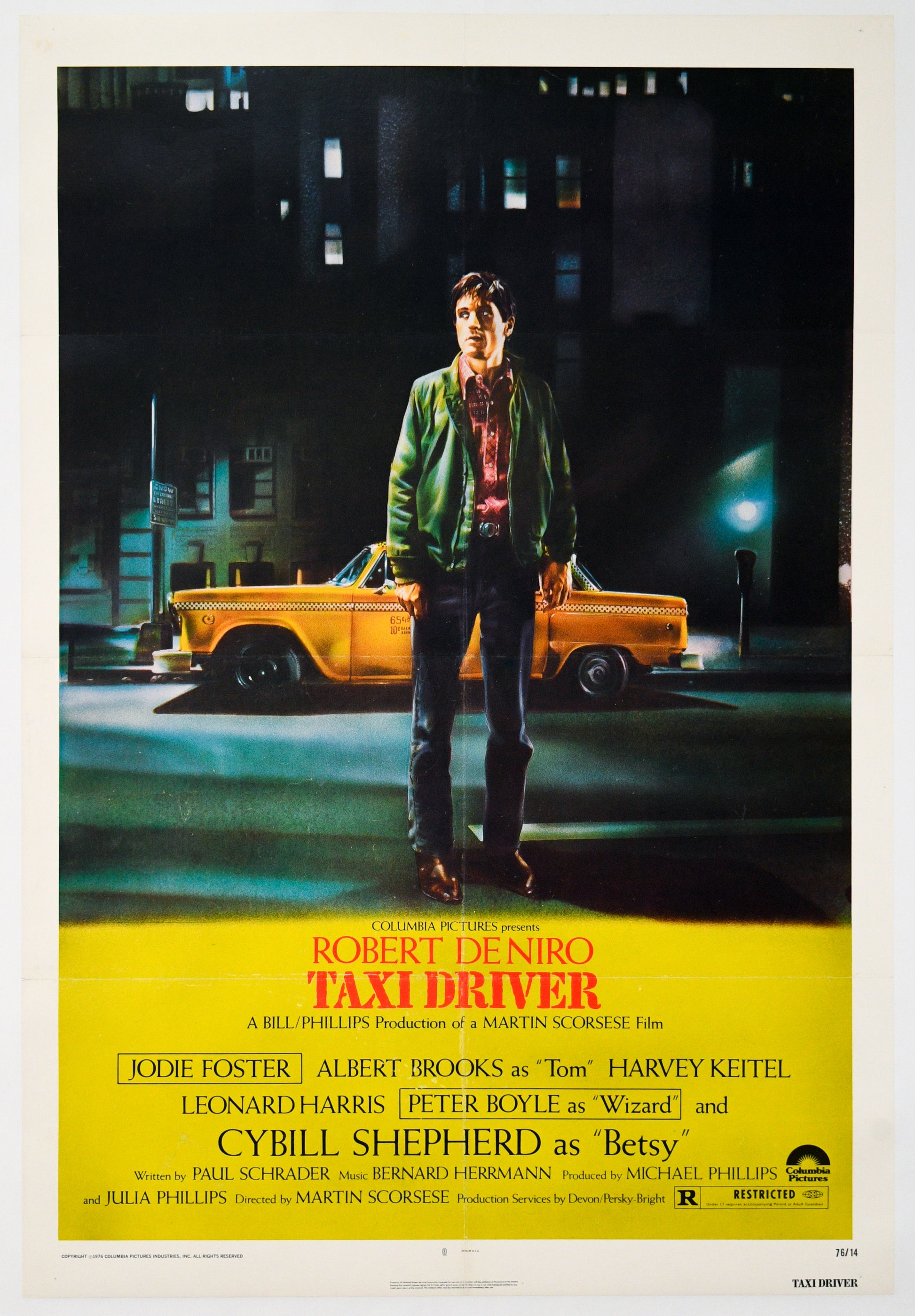
The film’s depiction of the “outsider” has been mirrored in countless subsequent works, yet few have matched its ability to synthesize the atmosphere of a dying city with the internal erosion of its protagonist. Whether viewed as a cautionary tale or a dark character study, Taxi Driver continues to demand engagement from new generations of viewers. For those interested in further exploring the film’s production, the Academy of Motion Picture Arts and Sciences maintains a collection of production materials and scripts that offer deeper insight into the film’s development.
As the film marks its 50th anniversary, discussions regarding its legacy remain active across film festivals and academic symposia. Readers are encouraged to share their own perspectives on the film’s impact on modern cinema in the comments section below.
Related reading
- Refreshing Watermelon Cucumber Salad with Feta and Mint (10-Minute Recipe)
- Missy Elliott Honors Aaliyah’s ‘One In a Million’ on 30th Anniversary: ‘It Was Art & a Masterpiece
- What Holds Matter Together? Physicists Find Breakthrough Evidence After 50 Years (archyworldys.com)
- Combatting Loneliness and Social Isolation in England’s Cities (world-today-news.com)