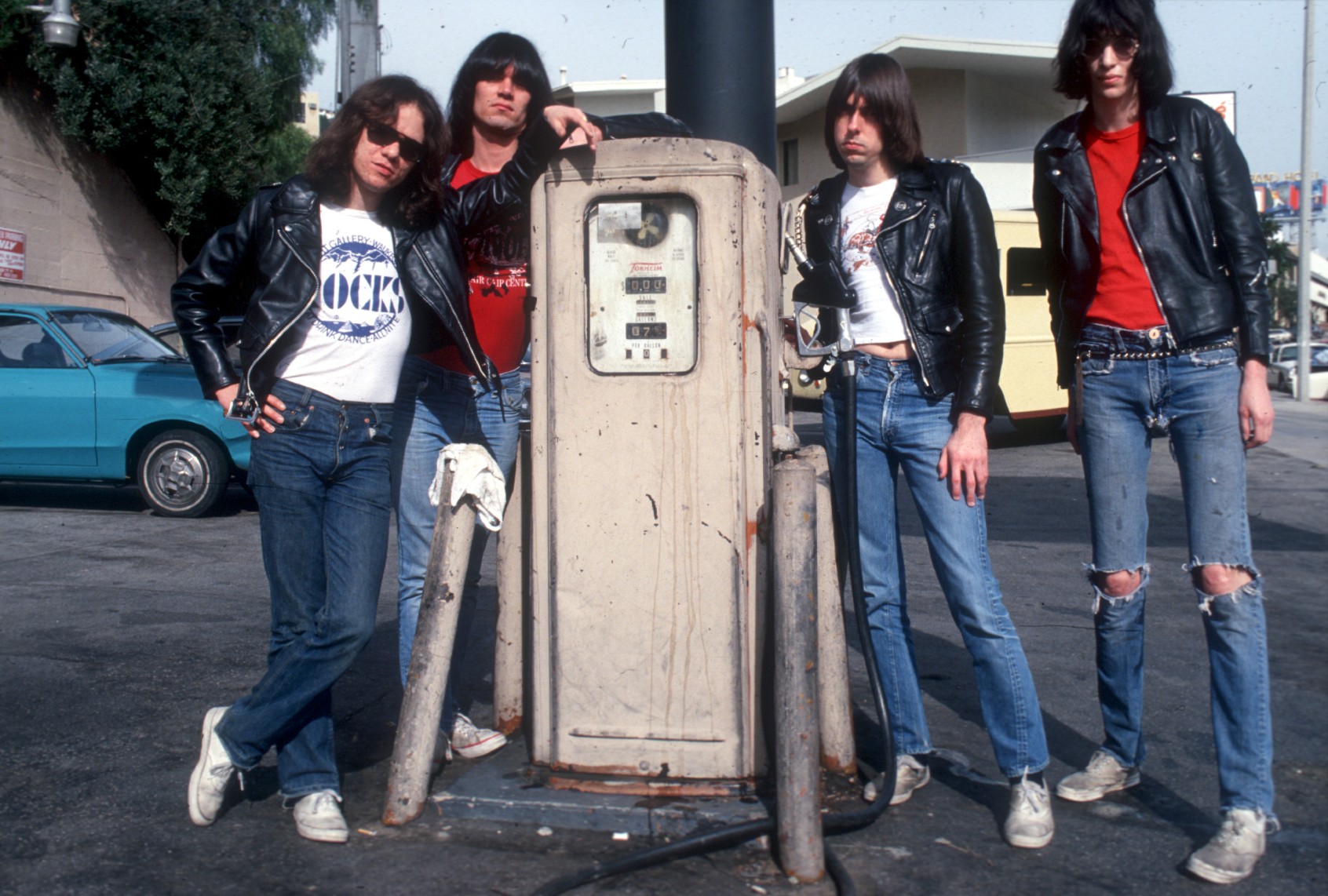
Fifty years after its initial release, the self-titled debut album by the Ramones continues to stand as the foundational blueprint for modern punk rock. Recorded on a modest budget, the record offered a fast-paced antidote to stadium-rock grandiosity, anchored by iconic tracks like the opening call-to-arms “Blitzkrieg Bop.”
Despite failing to achieve major commercial success upon its release—peaking at number 111 on the US Billboard 200 chart—the album’s cultural footprint expanded exponentially over the subsequent decades. Music historians and contemporaries frequently credit the record with inspiring the international punk movement, particularly following a legendary performance by the band in London on July 4, 1976, which was attended by members of The Clash, The Sex Pistols, The Damned (and more) in the audience that night.
Discussing the record’s lasting impact years later, Joe Strummer remarked that the Ramones’ debut provided a crucial bridge between the fading pub-rock era and the rise of punk, noting uncertainty about whether a local scene could have formed without it. Today, the album’s opening track is a ubiquitous fixture of global pop culture, appearing widely in television commercials, athletic events, and video games, cementing the historical importance of a band that spent decades touring in a van while reshaping the trajectory of independent music.
The Genesis of a Punk Aesthetic in Downtown New York
Formed in Queens, New York, in 1974, the lineup featuring vocalist Joey Ramone, guitarist Johnny Ramone, bassist Dee Dee Ramone, and drummer Tommy Ramone forged their identity in the gritty crucible of the downtown Manhattan music scene centered around the legendary club CBGB. According to early punk historian and PUNK magazine co-creator Legs McNeil, the band deliberately adopted their signature uniform of leather jackets, ripped jeans, and sneakers to distance themselves from both the prevailing hippie counterculture and the glitter-rock acts of the mid-1970s. By standardizing their onstage and offstage wardrobes, the members presented a unified, working-class front that was entirely distinct from contemporary stage theatrics.
The band secured a recording contract with Sire Records, becoming the second downtown group from the Class of 1975 to sign a major label deal, closely following Patti Smith. Managed by Danny Fields, the group embarked on relentless touring schedules across the United States. Noting the group’s catalytic effect during their travels, Fields later pointed out that new musical acts sprang up in their wake wherever they toured, appearing on subsequent visits even though they were absent when the Ramones first performed there. Their debut album captured this raw energy across 14 tracks that rarely exceeded the two-minute mark, driven by Johnny Ramone’s buzzsaw guitar style and Dee Dee Ramone’s rapid-fire counting of song intros.
Commercial Struggles and Radio Resistance
While the Ramones exerted a profound influence on generations of musicians—earning praise from acts ranging from Pearl Jam to U2—commercial radio and major chart success largely eluded them during their active career. Throughout the group’s two decades of operation, which concluded in 1996, none of their singles achieved significant commercial airplay on mainstream American radio stations. The group achieved their peak chart position in the United States when 1980’s “End of the Century,” produced by Phil Spector, climbed to #44.
Industry observers and band members frequently attributed this commercial barrier to the prevailing stigma attached to the term “punk rock” during the late 1970s and 1980s. Sensationalized media coverage surrounding newer British punk groups created an atmosphere of corporate apprehension, leading commercial radio programmers to shy away from the genre. Eddie Vedder of Pearl Jam highlighted this paradox during the band’s 2002 induction into the Rock and Roll Hall of Fame, noting the bittersweet reality that even a collaboration with a legendary producer like Phil Spector could not secure the group a top-ten hit in the United States.
Global Resonance and Cultural Permanence
While mainstream radio resistance persisted domestically, the band encountered vastly different receptions internationally. Toward the later years of their career, tours in South America—particularly Brazil—drew massive stadium crowds that rivaled historical accounts of Beatlemania, demonstrating the profound global reach of their catalog.
Domestically, mainstream institutions eventually recognized their cultural contributions. Following the passing of vocalist Joey Ramone in 2001, bassist Dee Dee Ramone in 2002, guitarist Johnny Ramone in 2004, and drummer Tommy Ramone in 2014, surviving members and estate representatives have continued to preserve the group’s legacy. The band was inducted into the Rock and Roll Hall of Fame in 2002, their second year of eligibility. Half a century after its initial pressing, the Ramones’ debut album remains a definitive touchstone for rock music, continuing to inspire independent artists worldwide to pick up instruments and embrace a raw, uncompromised artistic vision.
Worth a look
- Lauren Boebert’s Son Arrested on Felony Child Sexual Exploitation Charges
- Will Disturbing Abuse Allegations Cost Republicans the House?
- Micron and Memory Stocks Slide as China’s CXMT Makes Massive IPO Debut (time.news)
- 60 Years of Excellence: Celebrating Central Scotland’s Premier Venue (archynewsy.com)