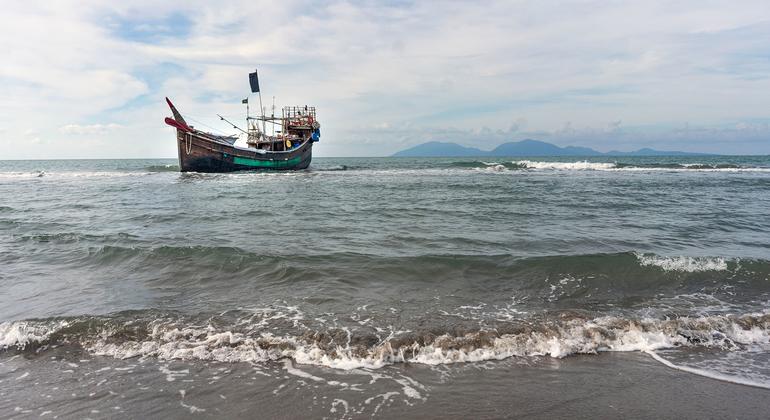
Search and rescue operations remain active following reports of two vessels capsizing off the coast of Myanmar, with international observers expressing grave concern for the safety of an estimated 500 people believed to have been on board. The incidents, which have occurred amid a broader climate of instability in the region, highlight the persistent risks faced by individuals attempting maritime transit in the Bay of Bengal and the Andaman Sea, according to reports from the United Nations High Commissioner for Refugees (UNHCR).
The situation remains fluid as authorities and local maritime organizations attempt to verify the exact number of passengers and the current status of survivors. While reports of maritime distress in these waters are frequently linked to the displacement of vulnerable populations, the remote nature of the region often complicates timely intervention and the recovery of verified data regarding casualties.
Maritime Risks and Regional Instability
The waters off Myanmar have long been recognized as a high-risk corridor for those fleeing conflict and economic hardship. The International Organization for Migration (IOM) has documented that irregular maritime journeys in this region are often facilitated by smuggling networks using vessels that are frequently poorly maintained and overloaded, drastically increasing the probability of mechanical failure or capsizing in adverse weather conditions, as detailed in the IOM’s regional maritime assessments.

For those involved in these crossings, the lack of standardized safety protocols and the absence of organized search-and-rescue infrastructure in international waters often mean that distress calls go unanswered for extended periods. Analysts of regional security note that the current political climate in Myanmar has further constrained the capacity for localized coastal monitoring, leaving many vessels to traverse these shipping lanes without any oversight or safety net.
Humanitarian Impact and the Scope of the Crisis
The scale of the reported loss—estimated at 500 individuals—underscores the severe humanitarian implications of the ongoing displacement crisis. Humanitarian agencies, including the Refugees International organization, have consistently called for improved regional cooperation to address the root causes of these maritime movements, emphasizing that without safe, legal pathways for transit, the incidence of such tragedies is likely to continue or increase.

The impact of such events extends beyond the immediate loss of life, affecting the stability of neighboring states that must manage the aftermath of maritime disasters. Regional governments, including those in Thailand and Malaysia, have previously faced challenges in balancing border security policies with international obligations toward individuals in distress at sea, a tension that remains a focal point in ASEAN-level diplomatic discussions.
Challenges in Verification and Data Collection
Establishing a precise count of victims in these maritime incidents is notoriously difficult. Because these voyages are often conducted clandestinely, there are no passenger manifests or official records to confirm the exact number of people on board. Information regarding these events typically emerges through accounts from survivors, local coastal communities, or irregular monitoring by non-governmental organizations.
Consequently, reports regarding “hundreds” of missing persons are frequently classified as estimates rather than confirmed casualty figures. The Office of the United Nations High Commissioner for Human Rights (OHCHR) maintains that the lack of transparency in maritime operations makes it difficult to hold perpetrators of human trafficking accountable, and complicates the delivery of humanitarian support to those who may have survived but remain stranded in remote coastal areas.
Next Steps for International Monitoring
The next confirmed checkpoint for updates on this situation will likely come from the periodic reporting released by the UNHCR and the IOM, which monitor regional maritime movements through their displacement tracking matrices. Organizations involved in search-and-rescue coordination continue to urge vessel operators and regional navies to prioritize the protection of life at sea, in accordance with the International Convention for the Safety of Life at Sea (SOLAS), as outlined in the International Maritime Organization’s core regulatory frameworks.
As this story develops, further information regarding potential survivors or official recovery efforts will be tracked through international diplomatic channels. We invite readers to share verified updates or observations in the comments section below, and we will continue to monitor official statements from relevant humanitarian and governmental bodies as they become available.
Worth a look