
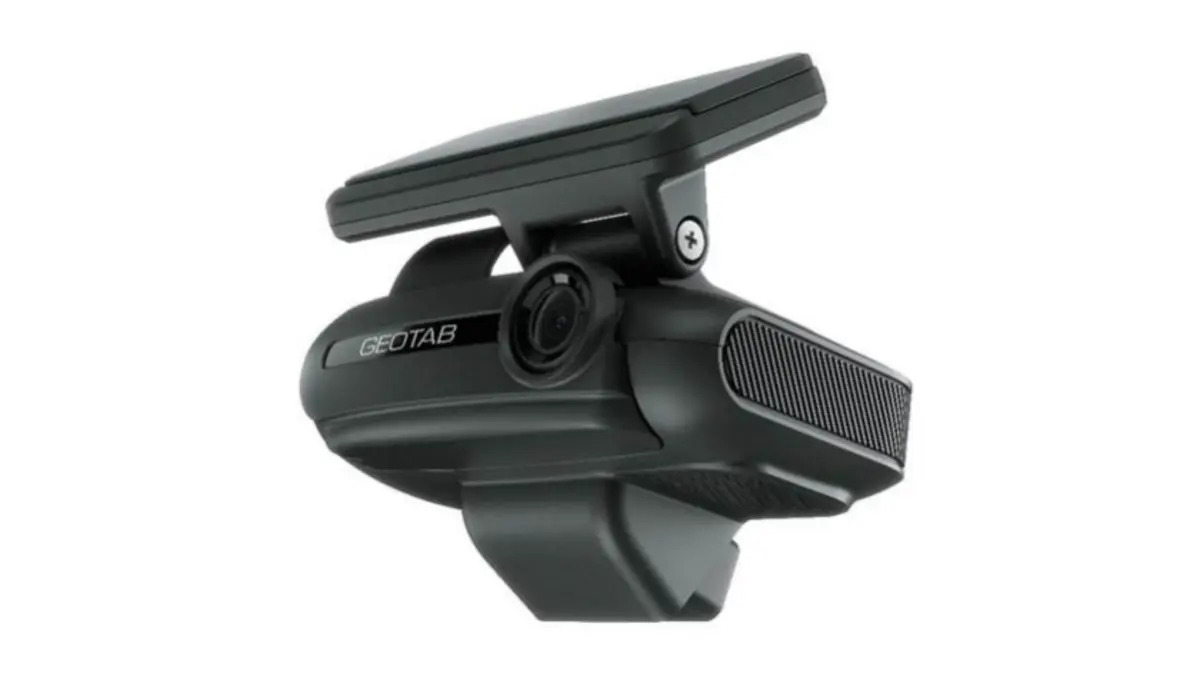
Geotab has launched AI-powered dash cameras for fleet operators in Australia to reduce road accidents caused by driver fatigue and distraction. The technology uses edge-based artificial intelligence to monitor driver behavior in real-time, triggering immediate in-cab alerts when it detects signs of drowsiness or phone usage, and integrating this video data directly into the company’s telematics platform.
The rollout comes as Australian transport companies face increasing pressure to improve safety outcomes and reduce liability. By combining video evidence with traditional telematics data—such as speed, braking, and GPS location—fleet managers can identify high-risk behaviors and implement targeted coaching for drivers.
Geotab’s AI camera system processes video locally on the device rather than streaming constant footage to a cloud server. This “edge computing” approach allows the system to identify critical safety events instantly, reducing data costs and ensuring that alerts reach the driver without the latency associated with cloud processing.
How does the Geotab AI dash cam improve fleet safety?
The system functions by utilizing a driver-facing camera equipped with AI algorithms trained to recognize specific human behaviors. According to Geotab, the technology focuses on preventing “micro-sleeps” and distracted driving, which are primary contributors to heavy vehicle accidents on Australian highways.

When the AI detects a driver yawning frequently, closing their eyes for a set duration, or looking away from the road for too long, the camera emits an audible alert. This immediate feedback is designed to snap the driver back to attention before an incident occurs. The system also identifies the use of handheld mobile devices, a leading cause of preventable collisions.
Beyond real-time alerts, the camera records short clips of these “events.” These clips are uploaded to the Geotab platform, allowing safety officers to review the context of a trigger. This removes the reliance on driver self-reporting and provides objective evidence during accident investigations or insurance claims.
Why are Australian fleets increasing their use of in-cab video?
The shift toward in-cab video is driven by a combination of rising insurance premiums and stringent safety mandates from the National Heavy Vehicle Regulator (NHVR). Fleet operators use these tools to document that their drivers are adhering to fatigue management laws, which strictly regulate driving hours and mandatory rest breaks.
In-cab video provides a layer of protection for drivers against “false” claims. In the event of a collision where the driver was not at fault, the footage serves as verified evidence to exonerate the employee and protect the company from litigation. This capability is particularly valuable in the Australian long-haul sector, where drivers often operate in isolation for extended periods.
Industry trends indicate that fleets are moving away from simple “event-based” cameras—which only record during a hard-braking event—toward AI-driven systems that proactively identify risk. This transition reflects a broader strategy to move from reactive accident management to proactive risk mitigation.
What specific behaviors does the AI technology monitor?
The AI software is calibrated to distinguish between natural movement and high-risk distractions. The primary triggers include:
- Fatigue Detection: Monitoring eyelid closure frequency and duration, as well as yawning patterns.
- Distraction Monitoring: Detecting when a driver’s gaze leaves the road for a duration that exceeds safety thresholds.
- Mobile Device Usage: Identifying the physical presence of a phone held to the ear or in the hand.
- Smoking: Detecting smoking in the cabin, which can be a distraction and a violation of company policy.
These triggers are not static; fleet managers can often adjust the sensitivity of the alerts based on the type of operation. For example, a city-based delivery fleet may have different distraction thresholds than a long-haul trucking company operating on the Stuart Highway.
How does the integration with telematics benefit fleet managers?
The primary value of the Geotab system is the correlation of video with telematics data. A standalone camera shows that a driver was distracted, but integrated telematics show that the distraction happened while the vehicle was traveling at 100 km/h during a sharp curve.
This combined data set allows managers to create “risk profiles” for their drivers. Instead of reviewing thousands of hours of footage, managers receive a prioritized list of the most dangerous events. This enables a “coaching-first” approach, where drivers are trained on specific behaviors rather than being penalized for minor infractions.
Furthermore, the integration simplifies the hardware footprint. Because the camera ties into the existing Geotab GO device, it utilizes the same data pipeline, reducing the number of separate subscriptions and hardware installations required in the vehicle.
What happens to driver privacy and data?
The introduction of AI surveillance in the cabin often creates tension between safety goals and driver privacy. To address this, Geotab emphasizes the use of edge processing, meaning the camera does not record or transmit everything it sees—only the events that trigger the AI’s safety thresholds.

Most fleet operators implement a “Privacy Policy for In-Cab Video” that outlines exactly when footage is accessed and who has permission to view it. In many cases, footage is only reviewed after a safety trigger occurs or an accident is reported. This ensures the system is used as a safety tool rather than a tool for constant surveillance.
Compliance with the Australian Privacy Act 1988 is a critical consideration for companies deploying this technology. Operators must ensure that data collection is necessary for the function of the business—in this case, road safety and legal compliance—and that drivers are notified of the monitoring.
The next major milestone for fleet safety in the region will be the continued updates to the NHVR’s Heavy Vehicle National Law (HVNL), which may further refine the requirements for fatigue management and electronic recording. Fleet managers can monitor official updates through the NHVR portal.
Do you believe AI monitoring improves road safety, or does it infringe too much on driver privacy? Share your thoughts in the comments below.