The Hidden Cost of Convenience: How Common Food Preservatives May Be Driving Hypertension and Heart Disease Risks
In the modern, fast-paced world, the convenience of ultra-processed foods has become a staple of the global diet. From pre-packaged snacks to deli meats, these products offer shelf-stability and consistent flavor. However, recent scientific insights emerging from French nutritional research are casting a shadow over these dietary staples, suggesting that the very additives used to keep our food “fresh” may be contributing to a silent epidemic of hypertension and cardiovascular disease.
As a physician, I have spent years observing the intersection of lifestyle and chronic disease. The data increasingly points to a troubling reality: the chemical landscape of our modern diet is fundamentally different from that of previous generations. New evidence suggests that common food preservatives—designed to inhibit bacterial growth and extend shelf life—may trigger physiological responses that elevate blood pressure and strain the heart. This shift in understanding moves the conversation from “calories in, calories out” to a more complex analysis of how molecular additives interact with our vascular and metabolic systems.
This developing area of research, much of it spearheaded by large-scale French epidemiological cohorts, highlights a critical link between the consumption of specific additives and a heightened risk of cardiovascular events. For those of us navigating a world of complex ingredient lists, understanding these risks is no longer just a matter of nutritional preference; it is a vital component of preventive medicine.
The Science of Additives and Hypertension
The connection between food additives and blood pressure is not merely theoretical; it is rooted in the complex biochemistry of the human body. When we consume processed foods, we are not just consuming macronutrients like fats, proteins, and carbohydrates. We are also ingesting a cocktail of micronutrients and synthetic compounds designed for stability rather than biological harmony.
One of the primary concerns highlighted by researchers is the impact of these substances on the vascular endothelium—the thin layer of cells lining our blood vessels. The health of this endothelium is paramount; it regulates blood pressure by controlling how much the vessels dilate or constrict. When the endothelium is compromised by systemic inflammation or oxidative stress—both of which can be triggered by certain additives—the result is often increased vascular resistance and, hypertension.
the high sodium content often paired with preservatives in processed foods creates a “double hit” to the cardiovascular system. While the preservatives themselves may disrupt cellular signaling, the accompanying sodium levels promote fluid retention and further elevate blood pressure. This synergy between chemical additives and high salt intake creates a metabolic environment that is highly conducive to long-term heart damage.
Nitrates, Nitrites, and the Vascular System
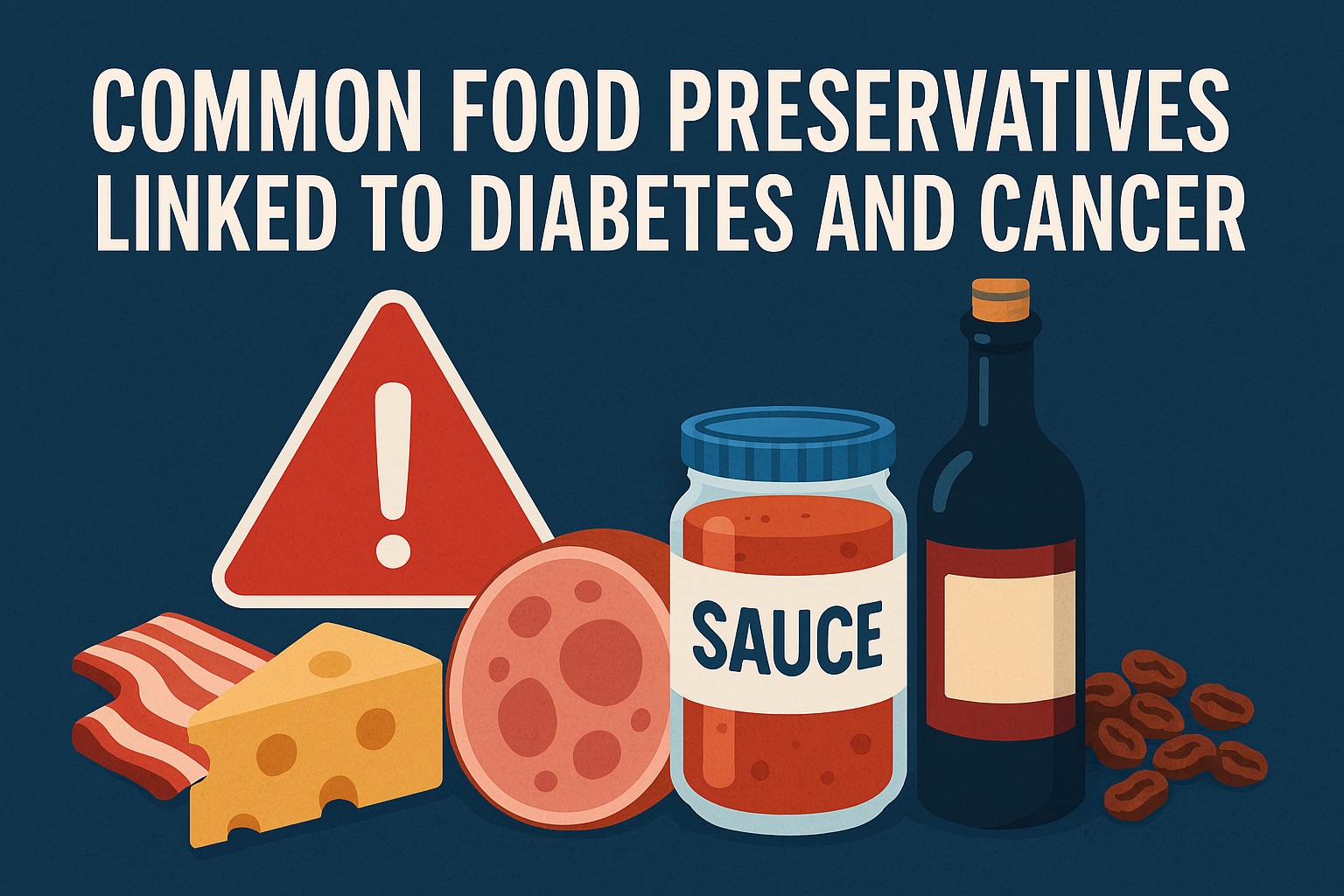
Perhaps the most scrutinized group of preservatives in recent years is the family of nitrates and nitrites. Widely used in processed meats such as bacon, sausages, and deli meats to prevent the growth of Clostridium botulinum and maintain a pink color, these compounds have long been a subject of debate in the medical community.
While nitrates are naturally occurring in vegetables like spinach and beets, the concentrated, synthetic versions found in processed foods present a different physiological challenge. When these additives are ingested, they can be converted into various nitrogen species in the body. While nitric oxide is a natural vasodilator that helps lower blood pressure, the metabolic byproducts of high-dose synthetic nitrates can lead to oxidative stress, which counteracts these beneficial effects.
Research has suggested that the chronic consumption of these nitrogen-based preservatives may contribute to arterial stiffness. As arteries lose their ability to flex and respond to changes in blood flow, the heart must work harder to pump blood throughout the body, leading to left ventricular hypertrophy and an increased risk of heart failure. This is why many health organizations, including the World Health Organization (WHO), have issued warnings regarding the long-term health implications of frequent processed meat consumption.
The Gut-Heart Connection: Emulsifiers and Inflammation
A newer, and perhaps more insidious, frontier in nutritional science is the “gut-heart axis.” This refers to the bidirectional communication between our gut microbiome and our cardiovascular health. Recent studies, particularly those coming out of European research institutions, have focused on how food emulsifiers—additives used to prevent ingredients from separating in products like ice cream, sauces, and breads—affect this relationship.

Emulsifiers, such as polysorbate 80 or carboxymethylcellulose, are designed to mix oil and water. However, when they enter the digestive tract, they may act as detergents on the protective mucus layer of the gut. This can lead to increased intestinal permeability, often colloquarly referred to as “leaky gut.” When the gut barrier is compromised, bacterial components can enter the bloodstream, triggering a state of low-grade, systemic inflammation.
This systemic inflammation is a known driver of atherosclerosis—the buildup of fats, cholesterol, and other substances in and on the artery walls. By disrupting the delicate balance of the microbiome, these common additives may indirectly fuel the very inflammatory processes that lead to heart attacks and strokes. The complexity of this mechanism underscores why looking at “total diet” is more vital than looking at any single ingredient in isolation.
Understanding the Ultra-Processed Food (UPF) Landscape
To understand why these additives are so prevalent, we must look at the concept of Ultra-Processed Foods (UPFs). Scientists often use the NOVA classification system to categorize foods based on the extent of their processing. While minimally processed foods (like frozen vegetables or canned beans) are generally safe, UPFs are industrial formulations typically containing five or more ingredients, including substances not commonly used in home kitchens.
The danger of UPFs lies in their “hyper-palatability.” The combination of specific fats, sugars, and additives is engineered to trigger dopamine responses in the brain, making them highly addictive and easy to overconsume. This leads to a cycle of overeating, which contributes to obesity, type 2 diabetes, and metabolic syndrome—all of which are major risk factors for heart disease.
When we consume a UPF-heavy diet, we are essentially participating in a massive, uncontrolled experiment on our metabolic health. We are introducing high levels of sodium, refined sugars, and synthetic additives simultaneously. This “package” of ingredients is what drives the rising rates of cardiovascular disease seen in many industrialized nations.
Practical Steps for a Heart-Healthy Diet
While the science may seem daunting, the power of prevention lies in daily, incremental choices. As a physician, I do not advocate for perfection, but I do advocate for awareness. Moving toward a more “whole-food” based diet is one of the most effective ways to mitigate the risks associated with food additives.
- Master the Ingredient List: Do not rely on the marketing on the front of the package. Turn the product over and read the actual ingredients. If you see long, chemical-sounding names (E-numbers in Europe, or complex chemical names in the US), consider it a red flag.
- Prioritize “Single-Ingredient” Foods: The safest foods are those that do not require a label—an apple, a piece of salmon, a handful of walnuts, or a sweet potato. These foods are naturally free of synthetic preservatives.
- Be Wary of “Low-Fat” or “Sugar-Free” Labels: Often, when manufacturers remove fat or sugar, they replace them with emulsifiers, thickeners, and artificial sweeteners to maintain texture and taste. These replacements can sometimes be just as disruptive to metabolic health.
- Cook from Scratch Whenever Possible: Preparing your own meals gives you total control over the sodium and preservative content of your food. Even small shifts, like making your own salad dressing instead of buying bottled, can make a significant difference.
- Focus on Fiber: High-fiber foods, such as legumes, whole grains, and vegetables, help support a healthy gut microbiome, which can act as a buffer against the inflammatory effects of certain additives.
Key Takeaways
- Additive Link: Emerging research suggests a link between common food preservatives and increased risks of hypertension and cardiovascular disease.
- Nitrate Risks: Synthetic nitrates and nitrites, common in processed meats, may contribute to arterial stiffness and oxidative stress.
- The Gut Connection: Emulsifiers can disrupt the gut microbiome, potentially triggering systemic inflammation that drives heart disease.
- The UPF Factor: Ultra-processed foods are a primary vehicle for these additives and are linked to higher rates of metabolic issues.
- Prevention: Prioritizing whole, minimally processed foods and reading ingredient labels are essential strategies for cardiovascular protection.
The transition toward a more informed way of eating is a journey, not a destination. By understanding the potential risks posed by the chemicals in our modern food supply, we can make empowered decisions that prioritize our long-term vascular and heart health.
As regulatory bodies like the European Food Safety Authority (EFSA) continue to review the safety of various food additives, we expect more definitive guidance on which substances should be restricted or banned. Stay tuned for further updates as these scientific assessments are released.
What are your thoughts on food labeling and additives? Have you made changes to your diet based on nutritional research? Share your experience in the comments below and share this article with someone who cares about heart health.
Keep reading