,regionOfInterest=(1037,564)&hash=042697b2046f2bf16168b6e1c9f3892be5382730f554927f52c25f0e2af8ae54)
As we navigate the complexities of aging, distinguishing between normal age-related cognitive shifts and the early indicators of neurodegenerative conditions is a primary concern for patients and their families. While memory loss is frequently cited as the hallmark of cognitive decline, clinical evidence suggests that the early warning signs of Alzheimer’s disease often manifest in more subtle, multifaceted ways. Recognizing these markers early is essential, as proactive healthcare management remains our most effective tool in navigating the progression of dementia-related illnesses.
According to the Mayo Clinic, Alzheimer’s disease is the most common cause of dementia, a biological process characterized by the accumulation of proteins in the brain. Understanding these early warning signs—which extend well beyond simple forgetfulness—is a vital component of public health literacy. By identifying behavioral and cognitive changes before they significantly disrupt daily life, individuals can engage with medical professionals to discuss potential interventions and support strategies.
Beyond Memory: Recognizing Early Cognitive and Behavioral Shifts
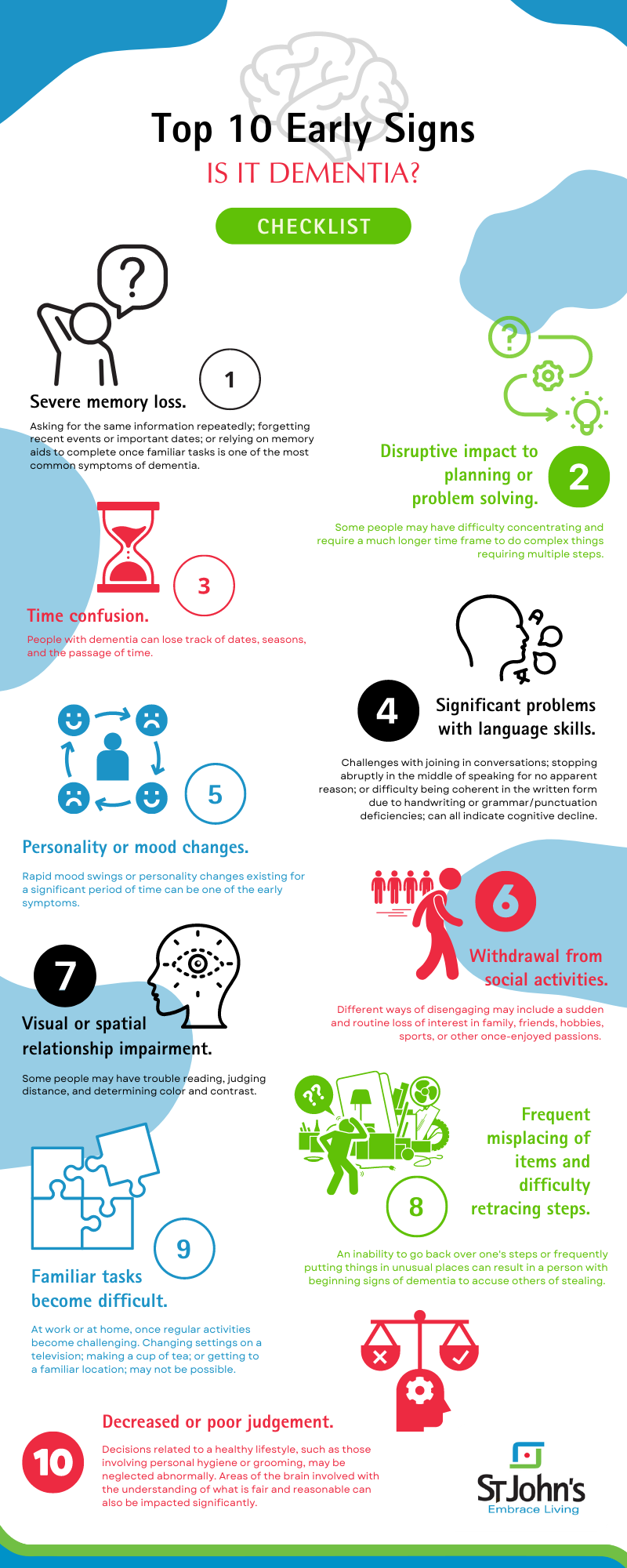
The progression of Alzheimer’s and other forms of dementia is rarely linear and the initial symptoms can be deceptively mild. While occasional lapses in memory are a natural part of the aging process, persistent difficulties with executive functions—such as planning, organizing, or managing complex tasks—warrant professional evaluation. Clinical research highlights that early-stage symptoms often involve challenges in processing information, maintaining focus, or navigating familiar environments.
For many, these changes may first appear in social or professional settings. A person might find it increasingly challenging to follow a conversation, struggle to find the right words, or experience unexplained shifts in mood or personality. These symptoms are not merely signs of stress or fatigue; they are often the result of the underlying biological changes associated with neurodegeneration. Early consultation with a primary care physician or a neurologist is the most reliable way to differentiate these symptoms from other treatable health conditions, such as vitamin deficiencies or thyroid imbalances, which can sometimes mimic dementia symptoms.
The Role of Lifestyle and Preventative Monitoring
While certain risk factors for Alzheimer’s, such as age, are fixed, the medical community continues to investigate how lifestyle modifications might influence the trajectory of cognitive health. Research into the intersection of cardiovascular health and brain function is particularly promising. Factors such as hypertension, obesity, and diabetes are recognized as potential contributors to the risk of developing dementia. Addressing these systemic health issues is a cornerstone of modern geriatric medicine.
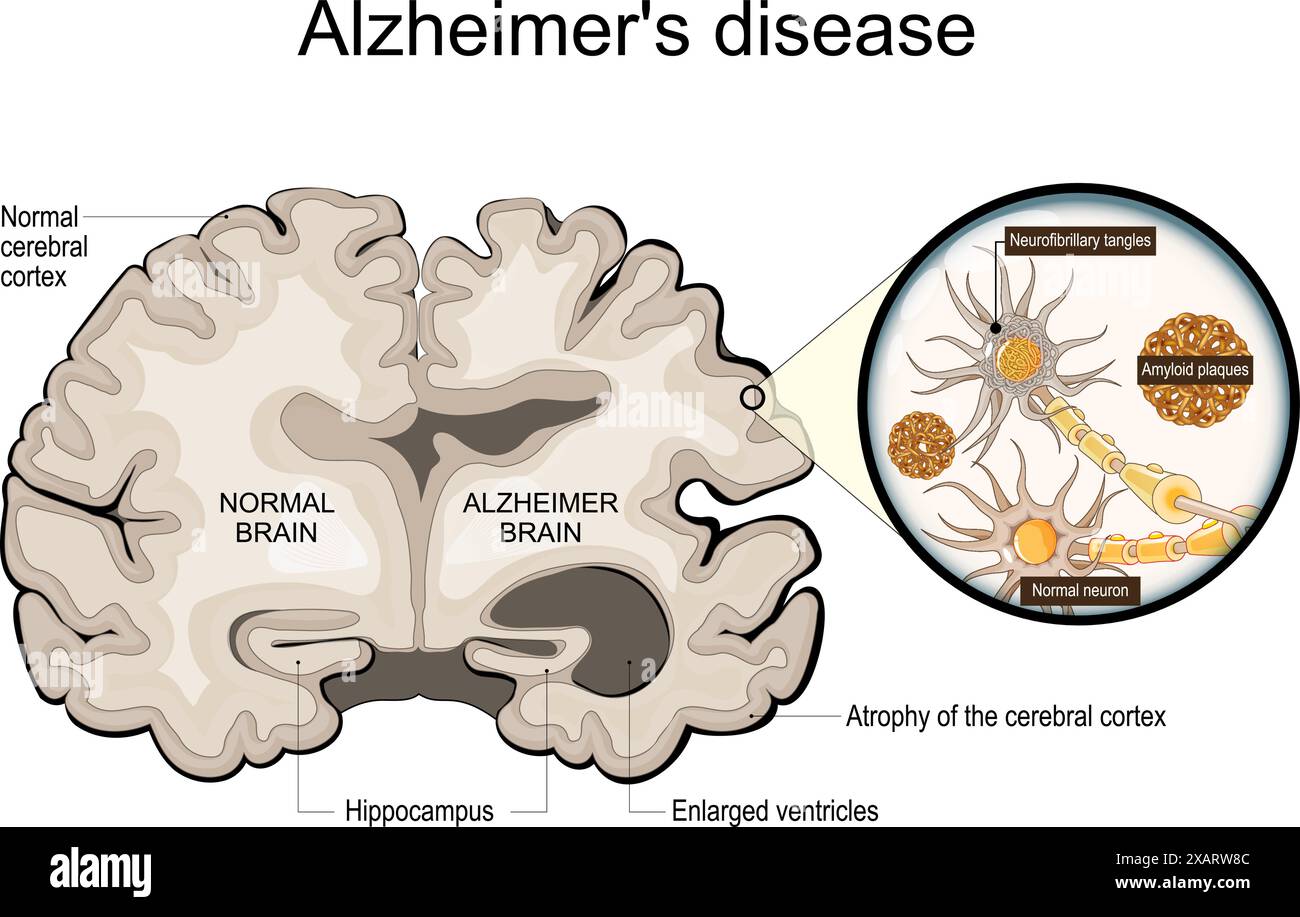
Anja Schneider, head of the research group for translational dementia research at the German Center for Neurodegenerative Diseases (DZNE), emphasizes the interconnected nature of these health factors. The scientific consensus underscores that while no single factor is solely responsible for cognitive decline, mitigating manageable risks through a balanced diet, physical activity, and mental stimulation remains a recommended strategy for maintaining cognitive reserve. While some studies examine the potential for certain medications, such as antidepressants, to influence the progression of Alzheimer’s, these treatments must always be managed under the strict supervision of a qualified medical professional.
Diagnostic Pathways and Seeking Professional Guidance
If you or a loved one notice persistent changes in memory, behavior, or daily functioning, the most critical step is to seek a comprehensive medical assessment. Diagnostic processes typically involve a combination of clinical interviews, cognitive screening tests, and, in some cases, imaging studies or biomarker analysis to rule out other causes. Early diagnosis provides the best opportunity for patients and families to access supportive care, participate in clinical trials, and plan for future health needs.

In addition to standard medical evaluations, organizations such as the Alzheimer’s Association provide extensive resources for families navigating these early stages. These resources offer guidance on how to discuss concerns with healthcare providers, manage daily life with cognitive challenges, and connect with local support networks. Engaging with these resources early can significantly improve the quality of life for both the patient and their caregivers.
Key Takeaways for Maintaining Cognitive Health
- Monitor for persistent changes: If cognitive or behavioral shifts impact daily life, schedule an appointment with a healthcare provider.
- Address systemic health: Manage conditions like blood pressure and diabetes, which are linked to overall brain health.
- Stay socially and mentally active: Engaging in regular, stimulating activities may help support cognitive function.
- Seek expert advice: Utilize resources from reputable health organizations to understand the diagnostic process and available support.
As medical research continues to evolve, our understanding of Alzheimer’s disease will continue to deepen, offering new pathways for early detection and symptom management. We encourage our readers to stay informed through authoritative medical channels and to prioritize open communication with their medical teams. Please share your thoughts or questions in the comments section below, and join our newsletter for the latest updates on public health and medical innovation.
Related reading
- Does Sex Boost Testosterone and Athletic Performance? The Science Explained
- No COVID-19 Surge in State of Mexico: Authorities Dismiss Third Strain and Outbreaks
- Derrick Williams Signs With Seoul Samsung Thunders (newsdirectory3.com)
- Alaska Primary Election 2020: Early In-Person Voting Begins (news-usa.today)