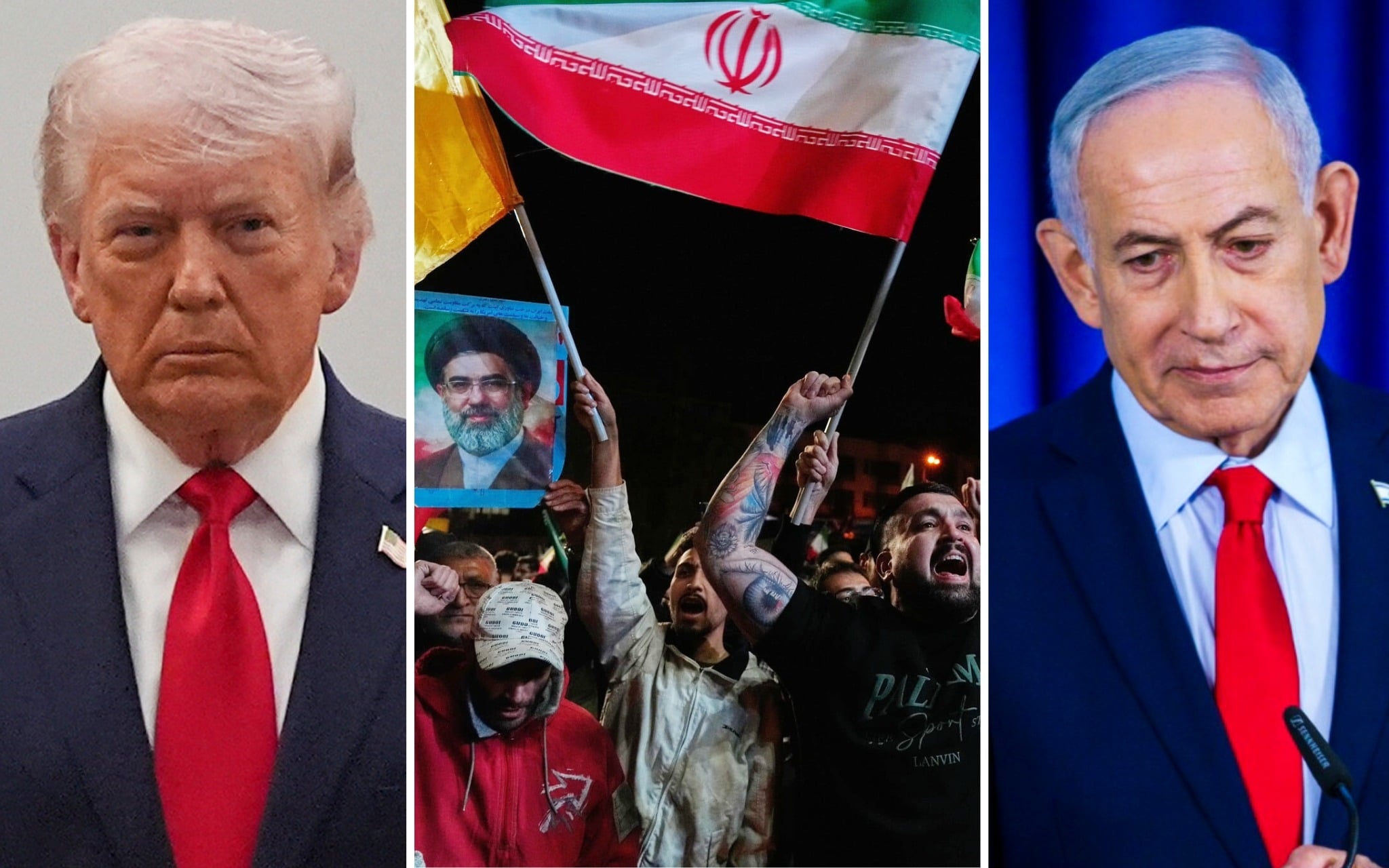
A proposed Memorandum of Understanding (MOU) involving the United States and Iran aims to implement a 60-day ceasefire to de-escalate tensions in the Middle East, according to reports concerning diplomatic efforts to halt regional hostilities. While the deal offers a potential path to stability, it presents a significant strategic dilemma for Israeli Prime Minister Benjamin Netanyahu and creates a potential policy rift between the incoming Trump administration and the Israeli government.
The proposed framework centers on a two-month period of reduced combat operations, intended to provide a window for more permanent diplomatic negotiations. If realized, the MOU would represent a significant shift in U.S. regional policy, moving away from the direct military pressure seen in recent months toward a negotiated settlement involving Tehran. However, the efficacy of such a pause remains a subject of intense debate among security analysts and regional stakeholders.
The diplomatic movement comes at a time of heightened volatility along the Israel-Lebanon border and within the Gaza Strip. For the incoming administration of Donald Trump, a successful 60-day ceasefire could serve as a high-profile foreign policy achievement. Conversely, for the Israeli leadership, the MOU carries the risk of freezing a conflict without neutralizing the long-term threats posed by Iranian-backed proxies, specifically Hezbollah.
What is the proposed Iran MOU and ceasefire framework?
The Memorandum of Understanding under discussion is not a formal treaty but a diplomatic framework designed to establish a “cooling-off” period. According to reports regarding the proposed 60-day window, the primary objective is to halt active hostilities between Israel and Hezbollah in Lebanon, as well as to address the ongoing conflict in Gaza. The MOU would require Iran to signal its influence over its regional proxies to ensure the ceasefire is maintained.
The 60-day timeline is intended to serve as a testing period for both sides. For the United States, the goal is to determine if a cessation of violence can lead to a more sustainable political arrangement. For Iran, the MOU offers a way to reduce the immediate risk of direct military confrontation with the United States and Israel while maintaining its strategic influence in the Levant. The success of the agreement hinges on the ability of the U.S. to verify that Hezbollah and other groups adhere to the terms of the pause.
Security experts have raised concerns regarding the “regrouping” risk. Critics of the MOU argue that a two-month pause could allow Hezbollah to replenish its munitions and reorganize its command structures along the Israeli border. This concern is a central pillar of the Israeli security establishment’s skepticism toward any deal that does not include a permanent removal of Iranian-backed forces from the border regions.
Why is the Trump administration signaling optimism about a deal?
President-elect Donald Trump has signaled a preference for rapid, decisive diplomatic resolutions to long-standing conflicts. His optimism regarding a potential 60-day deal with Tehran aligns with a broader foreign policy objective to reduce U.S. military involvement in Middle Eastern wars through high-level negotiation. By securing a ceasefire, the incoming administration could potentially claim a significant diplomatic victory before the full transition of power is completed.
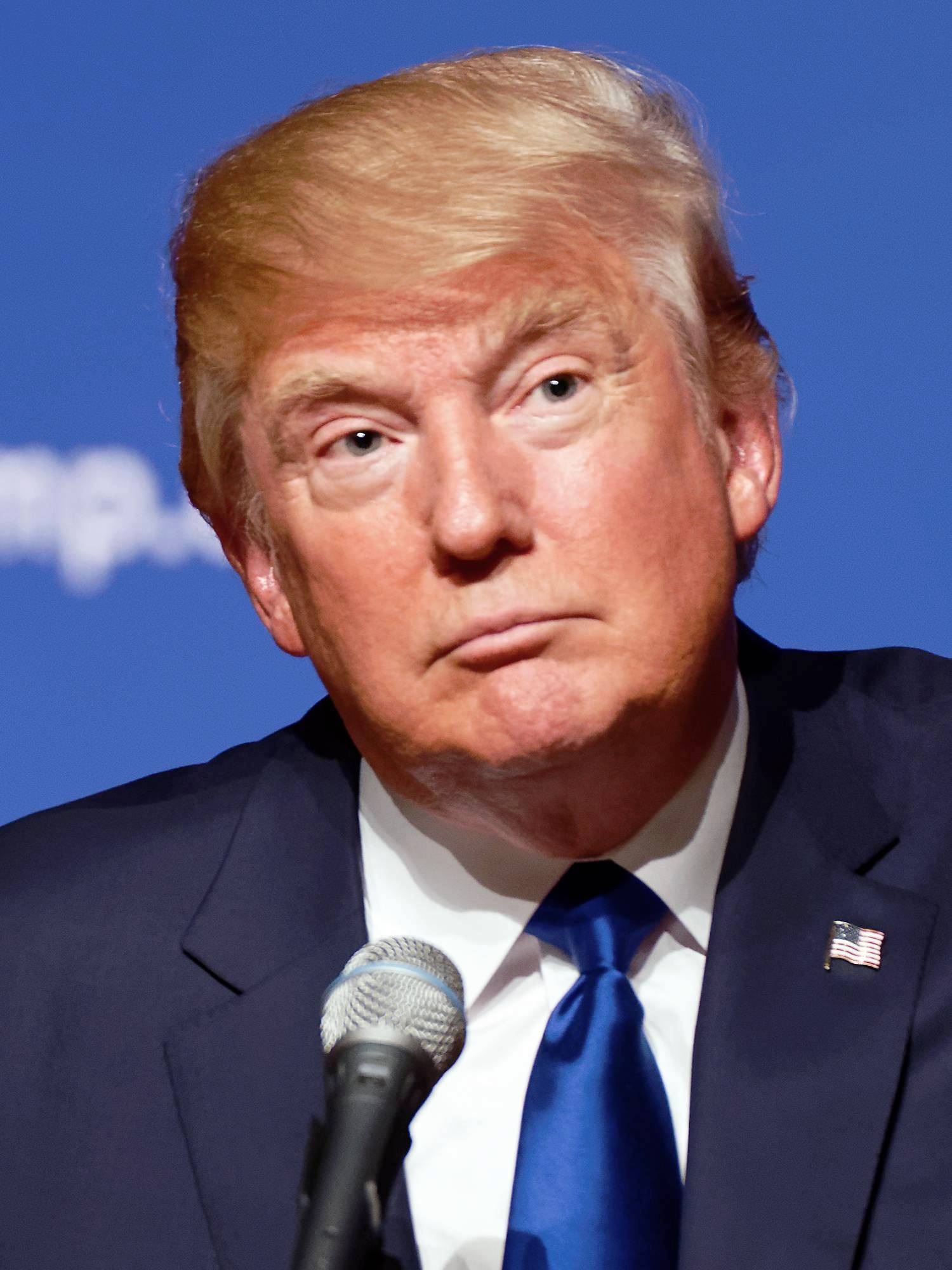
The Trump administration’s approach appears to favor “transactional diplomacy,” where immediate de-escalation is prioritized as a precursor to more complex long-term agreements. This strategy seeks to leverage the threat of renewed pressure to bring Tehran to the negotiating table. If the MOU can successfully cap the current cycle of violence, it would provide the administration with the political capital necessary to pursue further regional realignment.
However, this optimism is tempered by the practicalities of enforcement. Unlike previous agreements, this MOU would rely heavily on the cooperation of non-state actors like Hezbollah. The ability of the U.S. to hold Iran accountable for the actions of its proxies remains a significant variable that could either validate or undermine the administration’s optimistic outlook.
How does the MOU present a strategic challenge for Benjamin Netanyahu?
For Israeli Prime Minister Benjamin Netanyahu, the proposed MOU creates a complex political and security landscape. Netanyahu has consistently maintained that “total victory” over the military capabilities of Hamas and Hezbollah is the only acceptable outcome for Israel. A 60-day ceasefire that merely pauses the conflict without dismantling the infrastructure of these groups could be perceived by the Israeli public and the security cabinet as a strategic setback.
The challenge for Netanyahu is two-fold: domestic political survival and international alignment. Domestically, the Israeli electorate is deeply divided over the necessity of a ceasefire versus the continuation of military operations to ensure long-term security. A deal that appears to favor Iranian interests could fuel political instability within Israel’s governing coalition.
Internationally, the MOU could create friction between Jerusalem and Washington. If the incoming Trump administration pushes for a ceasefire that the Israeli government deems insufficient for national security, it could lead to a period of unprecedented tension between the two allies. Netanyahu must navigate a path that respects the incoming U.S. administration’s diplomatic goals while upholding the security mandates required by the Israeli defense establishment.
What are the potential consequences for regional stability?
The implementation of the MOU could lead to two vastly different regional outcomes. In a positive scenario, the 60-day ceasefire acts as a catalyst for a broader peace process, leading to the gradual withdrawal of hostile forces from border areas and a reduction in Iranian influence over local proxies. This would stabilize the Levant and reduce the likelihood of a large-scale regional war involving multiple state actors.
In a negative scenario, the ceasefire could be viewed as a tactical pause by Iran and its allies. If Hezbollah uses the 60 days to fortify its positions, the eventual resumption of hostilities could be more intense than the current conflict. Such an outcome would likely lead to a more aggressive military response from Israel and a potential breakdown in U.S.-Israel diplomatic relations, further destabilizing the region.
The following table compares the two primary strategic paths currently being debated by international observers:
| Feature | Diplomatic MOU Path | Military Escalation Path |
|---|---|---|
| Primary Objective | 60-day de-escalation and negotiation | Neutralization of proxy capabilities |
| Key Stakeholders | U.S. State Dept, Iran, UN | IDF, Israeli Cabinet, Regional Allies |
| Primary Risk | Iranian/Hezbollah regrouping | Full-scale regional war |
| U.S. Policy Stance | Optimistic/Deal-oriented | Security-focused/Supportive of Israel |
How might Iran respond to the proposed framework?
Tehran’s response to the MOU will likely be a calculated attempt to maximize its strategic position. According to geopolitical analysts, Iran may view the ceasefire as an opportunity to ease international sanctions pressure and reduce the immediate military threat to its assets while maintaining its “axis of resistance” in the region. By participating in the MOU, Iran can present itself as a rational actor willing to engage in diplomacy, even as it continues to support its regional partners.
However, Iran’s willingness to enforce the ceasefire depends on the perceived benefits to its domestic and regional interests. If the MOU does not offer tangible concessions—such as sanctions relief or a reduction in U.S. military presence in the Persian Gulf—Tehran may find little incentive to ensure that Hezbollah and other groups strictly adhere to the 60-day limit. The Iranian leadership must balance the benefits of de-escalation against the potential loss of influence over its most critical regional assets.
The role of the “proxy” remains the most volatile element of the equation. Unlike state-to-state agreements, an MOU involving Iran must account for the independent agency of groups like Hezbollah. The ability of Tehran to exert control over these groups during the 60-day window will be the ultimate test of the agreement’s viability.
The next major checkpoint in this diplomatic process will be the official transition of power in the United States and the subsequent first rounds of formal negotiations between U.S. envoys and regional representatives. Observers will be watching for any official statements from the Israeli Prime Minister’s office regarding the specific terms of the proposed ceasefire.
Do you think a 60-day ceasefire can provide lasting stability in the Middle East? Share your thoughts in the comments below and share this article with your network.
Worth a look
- New Import Surcharges Effective July 24: 10% and 12.5% Tax Rates Explained
- Secret WWII Colossus Computer Officially Recognized as Modern Computing Foundation
- Trump Slams Iran’s Duplicity and Warns Blockade Will Remain Amid Stalled Talks (world-today-news.com)
- Tate McRae Tests Her Memory in Ultimate Lyrics Challenge (newsdirectory3.com)