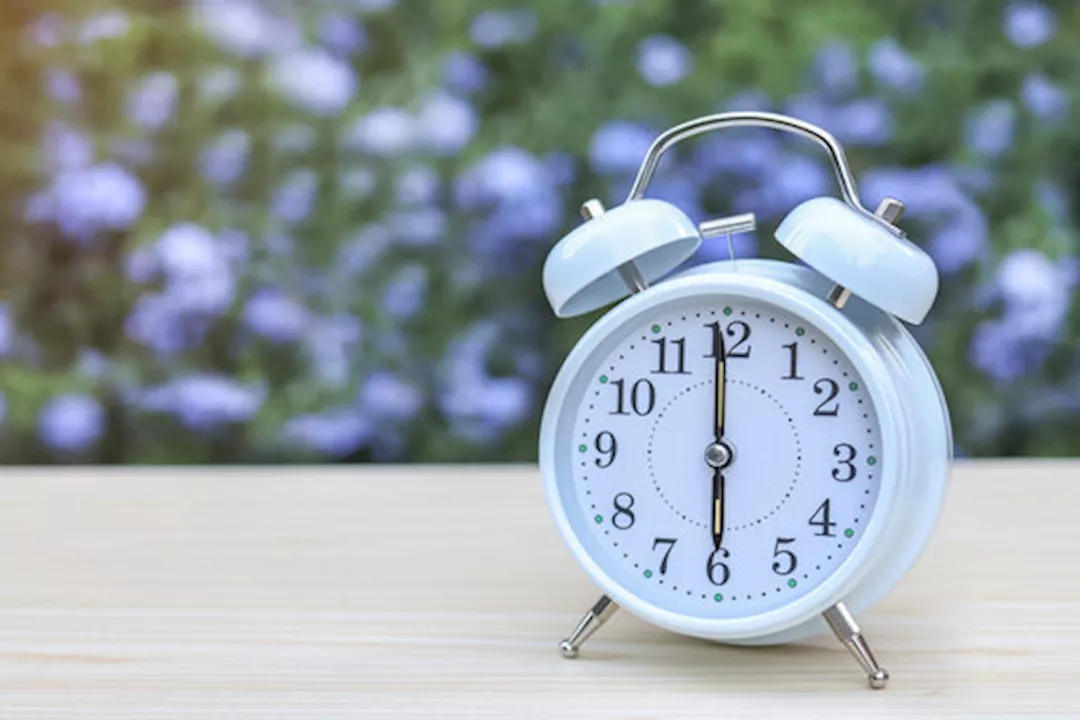
Maintaining cardiovascular health often feels like a lifelong marathon, but the choices we make in the final hours of the day can either support our recovery or place an undue burden on our hearts. Many of us fall into routine behaviors after the workday ends that seem harmless but may actually contribute to long-term health decline. Understanding the habits to avoid after 6 PM is essential for anyone looking to protect their heart and overall well-being.
As a physician and health journalist, I have seen how small, cumulative lifestyle shifts—particularly those occurring in the evening—can influence blood pressure, metabolic rates and sleep quality. While the body is designed to wind down as the sun sets, certain modern habits disrupt this circadian rhythm, potentially increasing the risk of cardiovascular strain over time.
The relationship between evening routines and heart health is deeply connected to how our bodies process nutrients and manage stress. When we engage in high-stimulus activities or consume heavy meals late at night, we interfere with the natural repair processes that occur during sleep. This intersection of timing and habit is where many preventable health issues begin.
By identifying and replacing detrimental evening patterns, individuals can significantly lower their risk of heart-related complications. From the timing of your last meal to the quality of your digital consumption, the hours between 6 PM and bedtime are a critical window for cardiovascular preservation.
The Impact of Late-Night Habits on Cardiovascular Health
The human body operates on a biological clock that regulates everything from hormone release to digestion. When we introduce stressors or heavy caloric loads after 6 PM, we create a conflict between our lifestyle and our biology. This conflict can manifest as elevated blood pressure or impaired glucose metabolism, both of which are primary risk factors for heart disease.
One of the most significant concerns is the consumption of heavy, high-fat, or high-sugar meals late in the evening. Digestion requires significant energy and blood flow, which can interfere with the heart’s ability to enter a restorative state during sleep. Late-night eating is often linked to weight gain and metabolic syndrome, increasing the long-term pressure on the arterial walls.
Physical stressors also play a role. While exercise is generally encouraged, high-intensity workouts remarkably late in the evening can spike cortisol levels and increase the heart rate, making it hard for the body to transition into the parasympathetic “rest and digest” mode. This prolonged state of alertness can lead to fragmented sleep, which is independently linked to an increased risk of hypertension.
Key Evening Habits to Reevaluate for Better Heart Health
To protect your heart, This proves helpful to look at specific behaviors that often occur after 6 PM. While the specific number of “wrong” habits can vary by source, the core medical concerns remain consistent across health guidance.
- Late-Night Heavy Dining: Consuming large meals close to bedtime can lead to acid reflux and metabolic strain. The body is less efficient at processing sugars and fats in the evening, which can lead to higher blood glucose levels overnight.
- Excessive Screen Time: The blue light emitted by smartphones and tablets suppresses melatonin production. Poor sleep quality is a known contributor to cardiovascular stress and poor blood pressure regulation.
- High-Caffeine Consumption: Consuming coffee or energy drinks late in the day keeps the heart rate elevated and disrupts the deep sleep phases necessary for cardiac repair.
- Sedentary “Couch Lock”: Spending several hours completely immobile after dinner can lead to poor circulation and a spike in triglycerides, particularly after a meal.
- High-Stress Work Cycles: Continuing to check work emails or engaging in stressful professional tasks after 6 PM keeps the body in a state of “fight or flight,” maintaining high levels of adrenaline and cortisol.
Why Timing Matters for the Heart
The heart does not function at a constant rate throughout the day. During the night, the heart rate and blood pressure typically drop—a phenomenon known as “dipping.” If evening habits prevent this dip from occurring, the heart is essentially working overtime 24 hours a day. This lack of nocturnal recovery is a significant marker for future cardiac events.

the liver and kidneys process toxins and balance electrolytes differently during the night. Habits that introduce excessive sodium or alcohol after 6 PM can lead to fluid retention and increased blood volume, forcing the heart to pump harder to move blood through the system.
Practical Strategies for a Heart-Healthy Evening
Shifting your routine does not require a complete lifestyle overhaul. Instead, focus on gradual adjustments that align your evening activities with your body’s natural needs. The goal is to create a “wind-down” period that signals to your cardiovascular system that it is time to recover.
Start by establishing a “kitchen closing time.” Aim to finish your last significant meal at least two to three hours before you plan to sleep. If you feel the demand to eat later, opt for light, heart-healthy snacks such as a small portion of nuts or a piece of fruit, which provide nutrients without overloading the digestive system.
Incorporate “active recovery” into your post-6 PM routine. Instead of immediate sedentary behavior after dinner, a gentle 15-minute walk can help stabilize blood sugar levels and aid digestion. This low-intensity movement supports circulation without placing the kind of stress on the heart that a high-intensity workout would.
Creating a Digital Sunset
To combat the effects of blue light and mental stimulation, implement a “digital sunset.” In other words dimming the lights and putting away electronic devices an hour before bed. Replacing a screen with a book or a meditation practice lowers the heart rate and prepares the brain for deep, restorative sleep.
Hydration is also key, but timing is important. While staying hydrated is essential, drinking excessive amounts of water immediately before bed can lead to frequent nighttime awakenings (nocturia), which interrupts the heart’s recovery cycle. Distribute your water intake more heavily in the morning and afternoon.
Summary of Evening Heart-Health Considerations
| Detrimental Habit | Potential Heart Impact | Supportive Alternative |
|---|---|---|
| Heavy late-night meals | Metabolic strain, higher glucose | Light dinner 3 hours before bed |
| Blue light/Screen use | Poor sleep, elevated stress | Reading or meditation |
| Late caffeine/stimulants | Increased heart rate, insomnia | Herbal tea or warm water |
| Total inactivity after dinner | Poor circulation, triglyceride spikes | Gentle 15-minute walk |
| Work-related stress after 6 PM | Chronic cortisol elevation | Defined “work-off” boundary |
For those managing existing conditions, such as hypertension or diabetes, these evening adjustments are even more critical. The interplay between sleep, diet, and stress is the foundation upon which medical treatments are built; without a supportive lifestyle, the efficacy of medication can be diminished.

As we move forward in understanding personalized medicine, the focus is shifting toward “chronobiology”—the study of how timing affects health. By simply adjusting what we do after 6 PM, we are applying the principles of chronobiology to protect our most vital organ.
For further guidance on cardiovascular health, readers are encouraged to consult official advisories from the World Health Organization (WHO) or the American Heart Association (AHA) regarding lifestyle modifications and preventative care.
If you found this guide helpful, please share it with your community and leave a comment below about which evening habit you locate hardest to break.
Keep reading