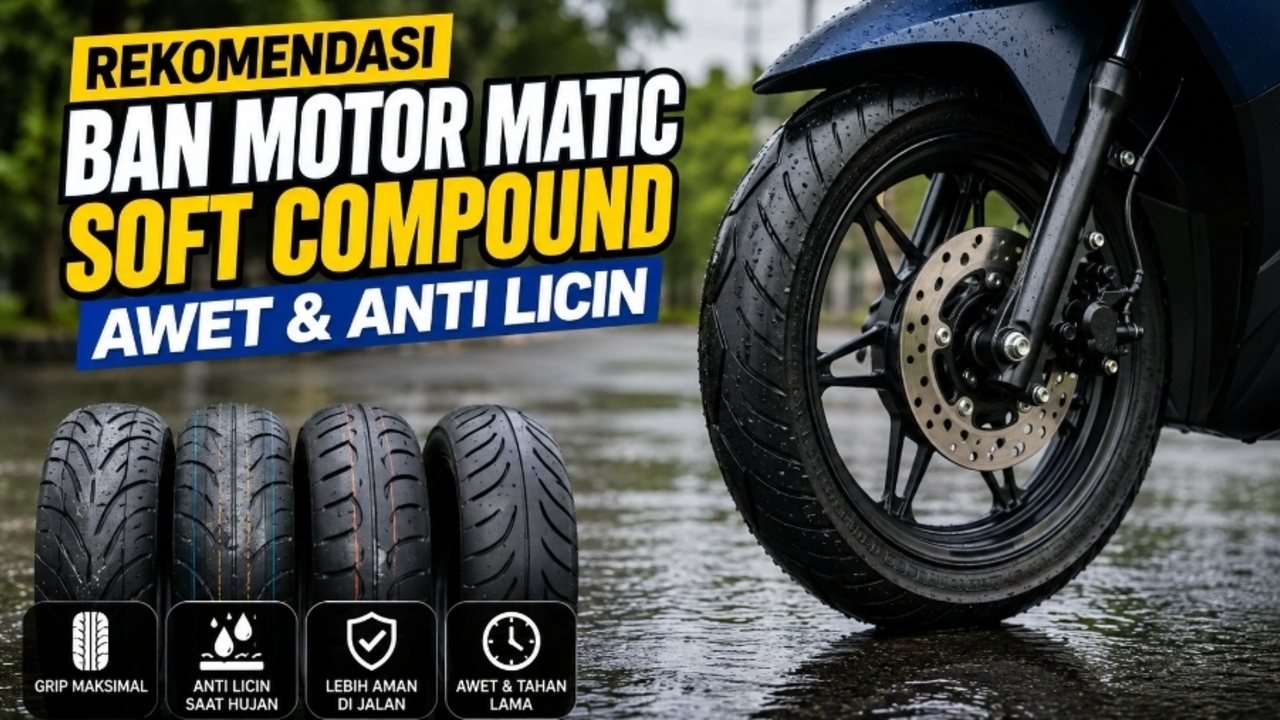
Choosing the right tires for a scooter—or motor matic—is a critical safety decision, particularly for riders navigating wet roads and variable urban terrain. Soft compound tires are engineered with a higher concentration of silica or specialized rubber polymers, which allows the tire to remain pliable and maintain optimal friction, or “grip,” on asphalt even when temperatures fluctuate or surfaces become slick. While these tires typically wear faster than harder, touring-oriented rubber, the trade-off is significantly improved traction during braking and cornering.
For riders in Indonesia and similar tropical climates, the transition to the rainy season necessitates a tire capable of channeling water effectively while maintaining contact with the road. According to technical specifications from major tire manufacturers operating in the Southeast Asian market, soft compound tires provide a superior “contact patch” that minimizes the risk of hydroplaning. Selecting the correct tire involves balancing daily durability with the performance characteristics required for sudden heavy rain.
Understanding Tire Compounds and Safety Performance
The distinction between soft, medium, and hard compounds lies in the molecular structure of the rubber. A soft compound tire, often categorized under “racing” or “sport” classifications, heats up quickly to reach its optimal operating temperature. This rapid heating is essential for high-performance maneuvers, but it also increases the rate of tread wear on abrasive city streets.
In the context of the Indonesian market, where brands like IRC, FDR, and Corsa dominate the segment, riders frequently opt for tires that utilize a dual-compound technology. These tires feature a harder center strip to prolong the life of the tread during straight-line commuting and softer compounds on the shoulders to provide grip during turns. The Ministry of Transportation (Kementerian Perhubungan) consistently emphasizes that tire maintenance, including monitoring tread depth and proper pressure, is the primary factor in preventing traffic accidents during the rainy season, as noted in their official road safety guidelines.
Key Considerations for Selecting Scooter Tires
When searching for the best performance tires for your scooter, consider the following technical criteria to ensure you are selecting a product that fits your specific riding habits:

- Tread Pattern Design: Look for deep, directional grooves that extend to the edges of the tire. These are designed to disperse water away from the contact patch, which is essential for maintaining stability on wet pavement.
- Rubber Composition: Check the manufacturer’s specifications for silica content. High-silica compounds generally perform better in wet conditions compared to carbon-black-only compounds.
- Load Index and Speed Rating: Ensure the tire matches your scooter’s manufacturer-recommended load index. Overloading a tire can cause it to deform, leading to uneven wear and potential failure.
- Temperature Sensitivity: If your commute involves long periods of high-speed riding, a pure soft compound may wear out prematurely. Evaluate if a semi-soft or dual-compound tire better suits your daily mileage.
Market Trends and Consumer Choices
The aftermarket for scooter tires has seen a shift toward premium performance at accessible price points. Many manufacturers have localized production within Indonesia, which has helped keep costs down while maintaining international quality standards. Industry data from the Ministry of Industry (Kementerian Perindustrian) indicates that the domestic automotive component sector has grown significantly, with local factories now producing tires that compete directly with imported European and Japanese brands in terms of grip and safety performance.
While some consumers may be tempted by extremely low-priced, non-standard tires, industry experts advise sticking to established brands that comply with Indonesian National Standards (SNI). The SNI mark serves as a verification that the product has undergone rigorous testing for load-bearing capacity, heat resistance, and traction, providing a baseline of safety for the consumer.
Maintaining Tire Longevity in Tropical Climates
Even the highest-quality soft compound tire will degrade if not properly maintained. The heat of the sun and the fluctuating moisture levels of the rainy season can accelerate the process of dry rot or hardening. Regularly checking your tire pressure—ideally every two weeks—is the most effective way to ensure the tire performs as intended. Under-inflated tires increase rolling resistance and lead to excessive heat buildup, which can cause the soft compound to degrade significantly faster than expected.
If you notice the tread depth reaching the wear bars—the small raised indicators within the grooves—the tire has reached the end of its safe service life and should be replaced immediately. Continuing to ride on worn tires, especially during the rainy season, drastically increases the stopping distance and the likelihood of losing control on slick surfaces.
The next official update regarding automotive safety standards and component regulations is expected to be released by the Directorate General of Land Transportation later this year. For ongoing maintenance tips and safety advisories, riders are encouraged to monitor updates from local authorized service centers and official manufacturer websites. What has been your experience with tire performance during the rainy season? Join the conversation in the comments section below.