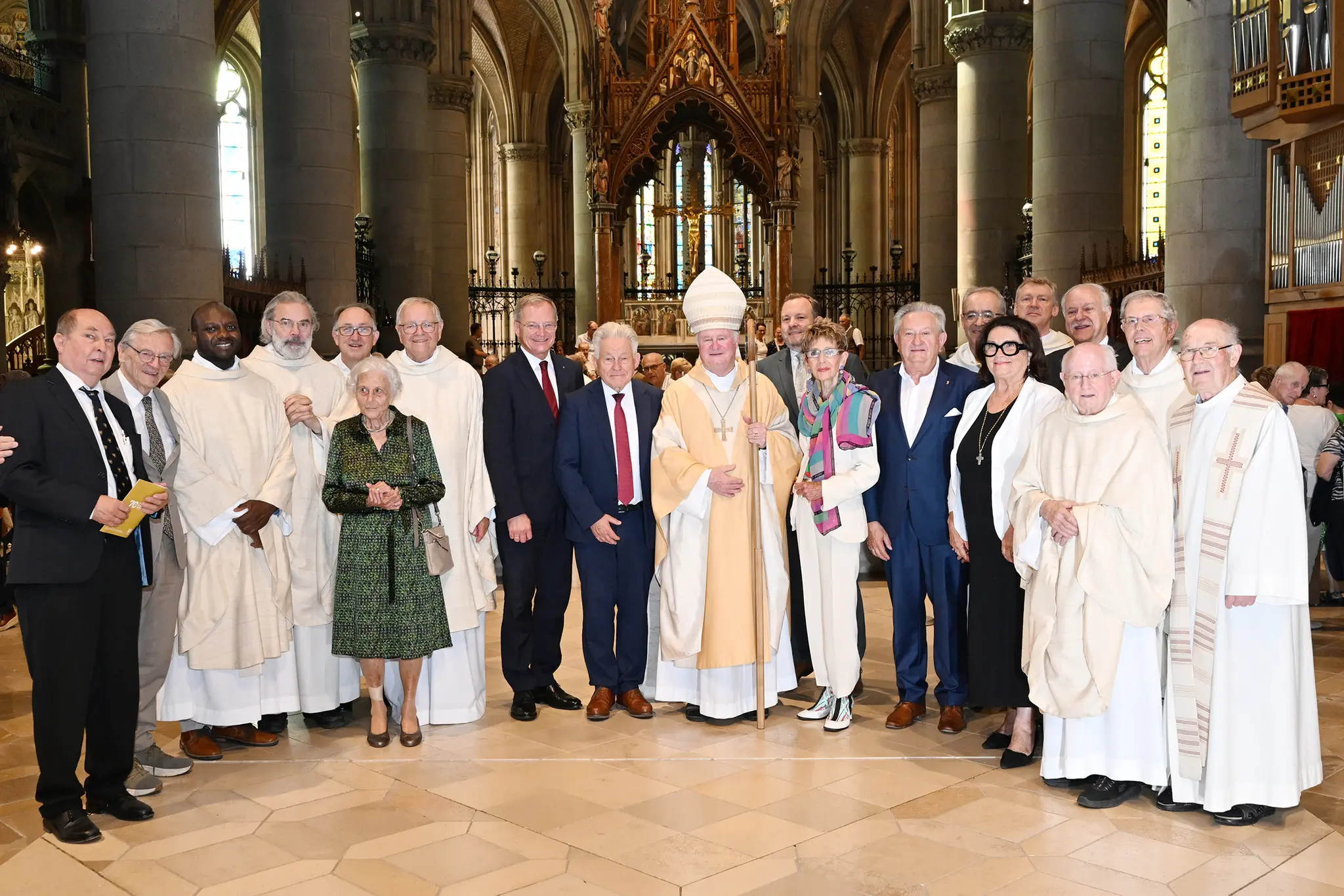
Approximately 1,200 members of the OÖ Seniorenbund gathered at the Mariendom in Linz to mark the 70th anniversary of the organization, an advocacy group dedicated to representing the interests of senior citizens in Upper Austria. The milestone celebration highlighted seven decades of social engagement, political advocacy, and community support for the region’s aging population, reflecting the organization’s growth since its inception in the mid-1950s.
The OÖ Seniorenbund, or Upper Austrian Senior Citizens’ Association, was originally established on June 26, 1956, under the name “Österreichischer Rentnerbund – Landesgruppe Oberösterreich,” according to official historical records maintained by the organization. Over the last 70 years, the group has evolved into one of the largest interest groups in the state, focusing on pension security, healthcare accessibility, and social participation for retirees. The event at the Mariendom served as both a commemorative ceremony and a testament to the group’s sustained influence in regional policy-making.
Historical Context of the OÖ Seniorenbund
The founding of the association in 1956 occurred during a period of significant post-war reconstruction in Austria, when the need for structured representation for the elderly became increasingly apparent. As noted in public documents from the OÖ Seniorenbund official portal, the organization was created to provide a unified voice for retirees who were navigating a changing economic landscape. Its evolution from a local chapter of a national pensioner’s union to a robust, independent provincial entity reflects broader trends in Austrian civil society, where advocacy groups have gained traction by providing services ranging from legal advice to leisure activities.
The association currently maintains a significant presence across Upper Austria’s municipalities, acting as a liaison between the senior population and government agencies. By maintaining an active dialogue with provincial leadership, the group advocates for policies that address the specific needs of an aging demographic, such as the Upper Austrian provincial government’s initiatives regarding long-term care and social welfare programs. This dual role—as a social club and a political lobby—has been central to its longevity.
Milestone Celebration at the Mariendom
The choice of the Mariendom, the largest church in Austria by capacity, for the 70th-anniversary event underscored the scale and significance of the organization within the state. With 1,200 attendees present, the gathering served as a platform for leadership to address the challenges facing the next generation of seniors. Discussions during the event centered on the sustainability of the current pension system and the importance of intergenerational solidarity, themes that have been consistent in the organization’s public messaging for decades.
The event also served to acknowledge the volunteers who manage local branches across the state. These grassroots efforts are widely cited by the association as the backbone of their operations, enabling the delivery of localized support services. According to data provided by the Statistics Austria agency regarding demographic shifts in the region, the role of such organizations remains critical as the proportion of citizens over the age of 65 continues to grow, necessitating more sophisticated advocacy and social integration efforts.
The Future of Senior Advocacy in Upper Austria
As the OÖ Seniorenbund enters its eighth decade, it faces the challenge of adapting to a digital-first society while maintaining the traditional community ties that have defined its success. The organization’s leadership has signaled an intent to focus on digital literacy programs and the modernization of its service delivery, ensuring that members can access information and support efficiently. This transition is viewed as essential for maintaining relevance in an era where the needs of seniors are increasingly intertwined with technological advancements in healthcare and communication.

The next major checkpoint for the organization involves its upcoming annual general meeting, where members will vote on strategic priorities for the next fiscal year. Information regarding these sessions and opportunities for member participation is routinely updated on the official OÖ Seniorenbund website. For those interested in the ongoing activities of the association, the organization encourages local engagement through its various regional offices, which serve as the primary point of contact for members seeking assistance or wishing to participate in community events.
If you have thoughts on the role of senior advocacy groups in modern society or would like to share your perspective on this milestone, feel free to join the discussion in the comments section below. We welcome your insights on how such organizations shape the quality of life for our communities.
Keep reading