Eight people were killed when a B-52 Stratofortress crashed during a test flight at Edwards Air Force Base, according to official reports from the United States Air Force. The bomber experienced a rapid descent, plunging at a rate of nearly a mile a minute before impacting the ground. The mission, classified as a routine test flight, resulted in the loss of all personnel on board, marking a significant aviation incident at the historic California testing facility.
The tragedy occurred as the aircraft was performing maneuvers over the high desert testing range. Investigators from the Air Force have since initiated a formal safety investigation board to determine the precise mechanical or environmental factors that led to the sudden loss of altitude. As of the latest official updates, the names of the deceased have been withheld pending notification of next of kin, a standard procedure for military casualty events managed by the Department of the Air Force.
Understanding the B-52 Stratofortress Testing Protocol
The B-52 Stratofortress has served as a cornerstone of the United States strategic bomber fleet for decades, with Edwards Air Force Base acting as a primary hub for its development and testing. According to official Edwards Air Force Base records, test flights are conducted under rigorous safety protocols designed to push the boundaries of aircraft performance while mitigating risks to flight crews. These missions often involve experimental hardware or software, requiring highly experienced test pilots and flight engineers.

The crash raises questions regarding the inherent risks of aerial testing. Historically, the B-52 has maintained a high safety record, though the complexity of the aircraft’s systems—many of which have been modernized over the last half-century—requires constant evaluation. The current investigation is expected to analyze telemetry data transmitted from the aircraft prior to the crash to establish whether the descent was the result of a flight control failure, engine malfunction, or an external atmospheric event.
The Sequence of the Incident
Witnesses and radar data indicate that the aircraft entered a steep, uncontrolled descent shortly after its final maneuvers. Reports from regional authorities confirm that the bomber suffered structural compromise before impact, leading to a fire at the crash site. The speed of the descent, estimated by investigators at approximately 5,280 feet per minute, left the crew with minimal time to execute emergency procedures or initiate an evacuation of the vessel.
Emergency response teams were dispatched from the base immediately following the loss of radar contact. Despite the rapid deployment of rescue personnel to the remote crash site, the intensity of the wreckage prevented the recovery of survivors. The National Transportation Safety Board often provides technical expertise in such military aviation investigations, though the Air Force maintains primary jurisdiction over accidents involving tactical military aircraft.
Next Steps in the Investigation
The Air Force has secured the crash site to preserve physical evidence, including flight data recorders and wreckage fragments that will be essential for the investigative board’s final report. Officials have stated that the investigation will be comprehensive, potentially spanning several months as engineers reconstruct the flight path and analyze the performance of the aircraft’s subsystems.
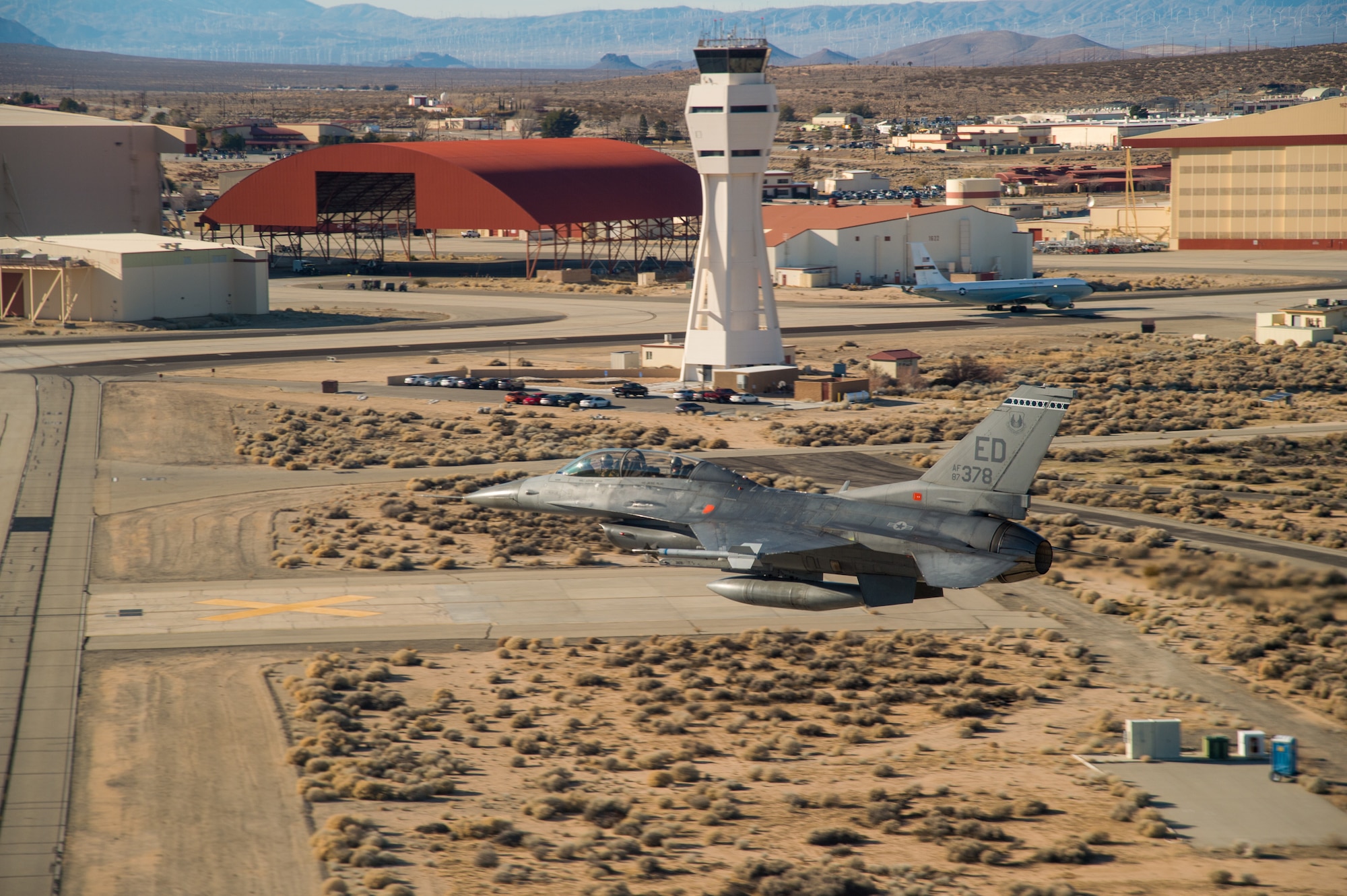
The military’s public affairs office at Edwards has committed to providing periodic updates as the investigation progresses. For the families of the fallen, the military has activated casualty assistance programs to provide support and information. Further details regarding the timeline of the investigation and the eventual release of the accident report will be posted through official Department of Defense channels. We encourage readers to share their thoughts or monitor our site for subsequent updates on this developing story.
Keep reading