Indonesia Suspends Nine School Nutrition Programs Over Unapproved Coconut Servings
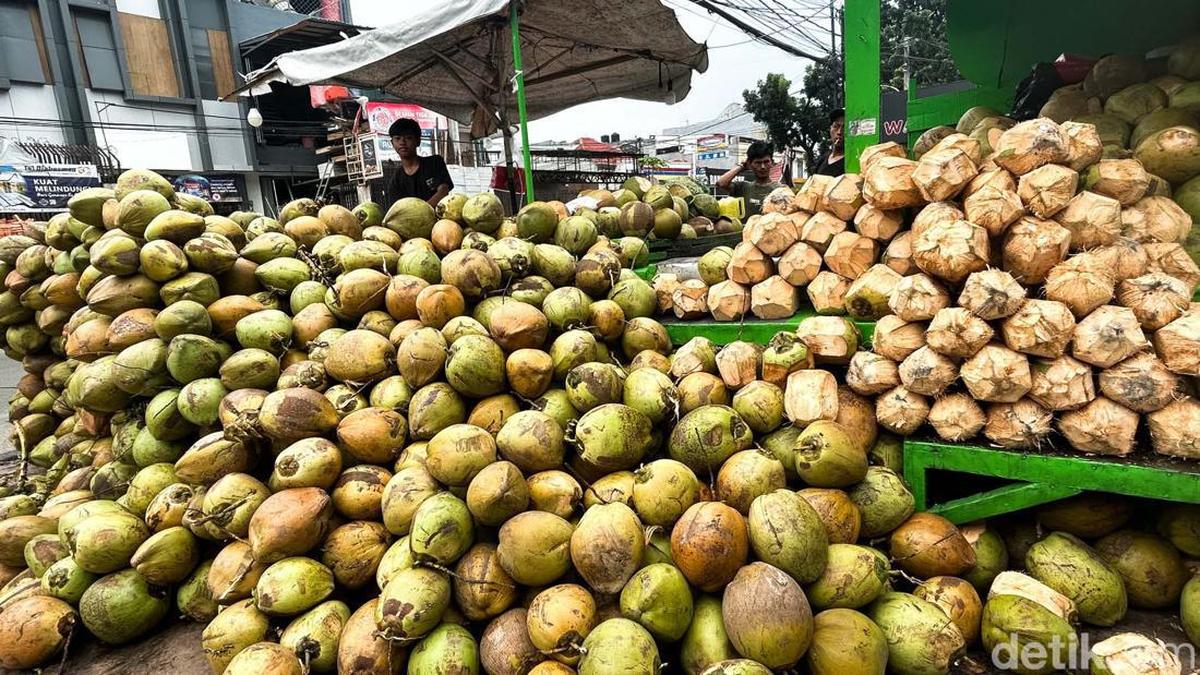
Jakarta – The Badan Gizi Nasional (BGN), Indonesia’s National Nutrition Agency, has temporarily suspended operations at nine Satuan Pelayanan Pemenuhan Gizi (SPPG) – school-based nutrition service units – in Gresik Regency, East Java, following reports they served whole coconuts as part of the Makan Bergizi Gratis (MBG), or Free Nutritious Food program. The move comes as the BGN seeks to enforce standardized menus and address concerns over the appropriateness of the offering, which had previously sparked public debate in other regions.
The suspensions, effective March 14, 2026, are intended to allow for a thorough evaluation of the SPPGs’ practices and adherence to national nutritional guidelines. Nanik Sudaryati Deyang, Deputy Head of the BGN for Public Communication and Investigation, expressed disappointment that the Gresik SPPGs disregarded previous concerns regarding the serving of whole coconuts, a practice that had already drawn criticism elsewhere in Indonesia. “The provision of whole coconuts had already garnered public attention in several regions. This should have served as a lesson for all SPPG managers to be more careful in determining the menus offered to beneficiaries,” Deyang stated, according to reports on March 16, 2026.
The BGN’s decision underscores the agency’s commitment to ensuring the MBG program delivers nutritionally balanced meals to students. Launched to combat malnutrition and improve student health, the program has faced scrutiny over menu consistency and quality control. The agency has firmly rejected justifications from the SPPGs that the coconuts were provided at the request of the program’s recipients, emphasizing that all SPPGs are obligated to follow established menu standards and operational procedures.
Concerns Over Nutritional Value and Safety
The controversy surrounding the whole coconut servings centers on concerns about both nutritional value and potential safety hazards. While coconuts offer nutritional benefits, serving them whole presents challenges for young children, particularly regarding the difficulty of accessing the meat and the risk of injury from attempting to open the coconut. Experts have pointed out that the nutritional benefits of coconut meat are more readily available and safely consumed when prepared in a more accessible form.
The BGN’s action follows a pattern of increased oversight of the MBG program. Recent reports have highlighted inconsistencies in meal provision across different regions, prompting calls for stricter quality control measures. The agency is working to develop clearer guidelines for SPPGs, including detailed menu specifications and training programs for staff on proper food handling and preparation techniques. The program aims to provide a consistent and nutritious meal to students, contributing to improved concentration and academic performance.
Disciplinary Action for SPPG Leaders
Beyond the temporary suspensions, the BGN has ordered disciplinary action against the heads of the nine affected SPPGs in Gresik. According to Deyang, the leaders will face either a formal written warning (SP1) or a reassignment to a different position. “I have similarly instructed that the heads of the SPPGs be firmly disciplined with an SP1 or rotation, given that as leaders, they did not follow the news, so a similar incident occurred,” she said. This directive reflects the BGN’s determination to hold SPPG leaders accountable for ensuring compliance with program guidelines and staying informed about relevant issues.
Albertus Dony Dewantoro, Director of Monitoring and Supervision for Region II at the BGN, confirmed that the nine SPPGs ceased operations on March 14, 2026, pending the outcome of the evaluation. The BGN has not yet announced a timeline for the completion of the evaluation or the potential reinstatement of the suspended SPPGs. The agency is prioritizing a swift and thorough review to minimize disruption to the MBG program and ensure students continue to receive nutritious meals.
The Nine Affected SPPGs
The nine SPPGs suspended in Gresik Regency are:
- SPPG Gresik Sidayu Ngawen
- SPPG Gresik Sidayu Wadeng
- SPPG Gresik Dukun Wonokerto
- SPPG Gresik Dukun Lowayu
- SPPG Gresik Dukun Sembungan Kidul
- SPPG Gresik Dukun Tebuwung
- SPPG Gresik Ujungpangkah Glatik
- SPPG Gresik Balongpanggang Pucung
- SPPG Gresik Sidayu Sidomulyo
The BGN has issued a reminder to all SPPG managers nationwide to exercise greater diligence in implementing the MBG program, paying close attention to menu standards, food safety protocols, and public sensitivities. This includes ensuring that menus are appropriate for the age and developmental needs of the students they serve and that all food is prepared and handled in a safe and hygienic manner.
Broader Implications for the MBG Program
The incident in Gresik highlights the challenges of implementing a nationwide school nutrition program across a diverse archipelago like Indonesia. Ensuring consistent quality and adherence to standards requires robust monitoring and oversight mechanisms, as well as ongoing training and support for SPPG staff. The BGN is currently reviewing its monitoring procedures to identify areas for improvement and strengthen its ability to detect and address non-compliance issues.
The MBG program is a key component of the Indonesian government’s efforts to improve the health and well-being of its citizens, particularly children. By providing nutritious meals to students, the program aims to reduce malnutrition, improve school attendance, and enhance academic performance. The BGN recognizes the importance of maintaining public trust in the program and is committed to addressing any concerns that arise to ensure its continued success.
The agency is also exploring ways to enhance communication with SPPGs and provide them with more timely information about program updates and changes to guidelines. This includes utilizing digital platforms and establishing regular communication channels to facilitate the exchange of information and address any questions or concerns that SPPG managers may have.
Looking ahead, the BGN plans to conduct a comprehensive review of the MBG program’s menu guidelines to ensure they are aligned with the latest nutritional recommendations and reflect the diverse dietary needs of students across Indonesia. This review will involve consultations with nutrition experts, educators, and other stakeholders to gather input and ensure the guidelines are practical and effective.
The BGN is expected to release a detailed report on the findings of its evaluation of the Gresik SPPGs in the coming weeks. This report will outline the specific issues identified, the corrective actions taken, and the steps being taken to prevent similar incidents from occurring in the future. The agency remains committed to transparency and accountability in its administration of the MBG program.
As of March 16, 2026, the BGN continues to monitor the situation closely and is working with local authorities in Gresik to ensure that students continue to receive nutritious meals during the suspension of the affected SPPGs. The agency is also urging all SPPGs nationwide to review their menus and procedures to ensure they are in full compliance with program guidelines.
Key Takeaways:
- Nine school nutrition programs in Gresik, East Java, have been suspended for serving whole coconuts.
- The Badan Gizi Nasional (BGN) cited concerns over nutritional value and safety.
- Leaders of the affected SPPGs will face disciplinary action.
- The BGN is reviewing program guidelines and monitoring procedures nationwide.
The BGN is expected to provide further updates on the situation in the coming days. Readers are encouraged to share their thoughts and experiences with the MBG program in the comments section below.
Related reading