How Your Daily Diet Could Be Fueling Antibiotic Resistance: The Surprising Link Between Food, Bacteria, and Drug Effectiveness
Are you unknowingly diminishing the effectiveness of your antibiotics? Emerging research reveals a startling connection between everyday dietary components - even something as common as caffeine – and the growing threat of antibiotic resistance. This isn’t about misuse of antibiotics; its about how your body’s environment reacts to what you consume, influencing bacterial behavior in unexpected ways.
This groundbreaking study,led by Professor Ana Rita Brochado at the Universities of Tübingen and Würzburg,demonstrates that bacteria aren’t passive recipients of antibiotics. Thay actively sense and respond to chemical signals in their surroundings, including those from the food we eat, and adjust their defenses accordingly.Understanding this complex interplay is crucial in the fight against increasingly resistant pathogens.
The Bacterial Balancing Act: How Transport Proteins Control Drug Access
Bacteria, like all living organisms, need to maintain a delicate internal balance. This balance is heavily regulated by transport proteins – specialized structures embedded in the bacterial cell wall that act as gatekeepers, controlling the influx of nutrients and the efflux of waste products. Critically, these proteins also govern the entry of antibiotics.
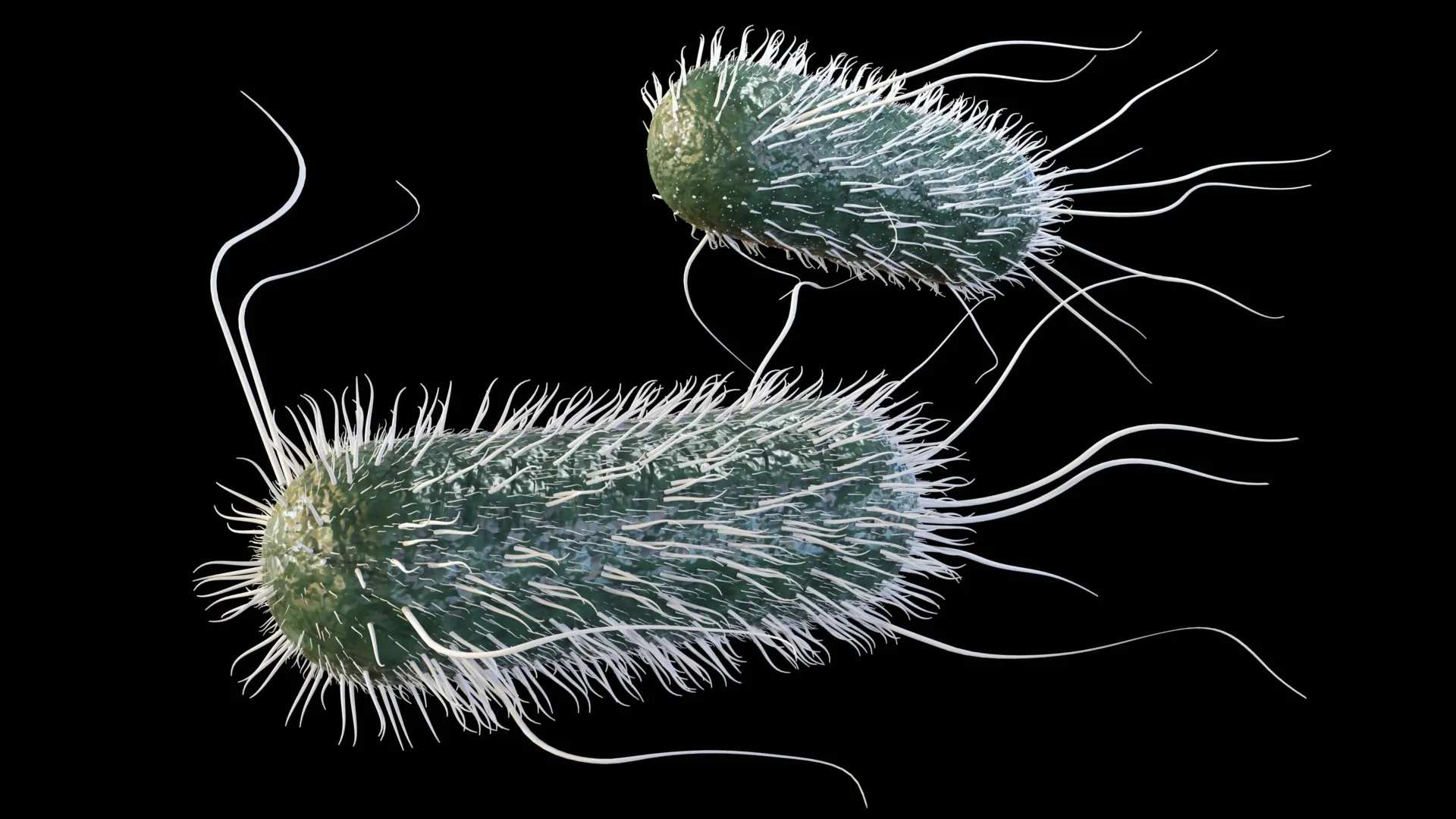
Professor Brochado’s team systematically investigated the impact of 94 different substances, spanning antibiotics, pharmaceuticals, and common food ingredients, on Escherichia coli (E. coli), a bacterium frequently responsible for urinary tract infections and food poisoning. Their focus was on how these substances affected the expression of key gene regulators and the activity of these vital transport proteins.
An ‘antagonistic Interaction’: Caffeine’s Unexpected role
The research uncovered a surprising phenomenon: seemingly innocuous substances can subtly, yet systematically, alter bacterial gene regulation. This alteration impacts the transport proteins, effectively changing what enters and leaves the bacterial cell.
“Our data show that several substances can subtly but systematically influence gene regulation in bacteria,” explains Christoph binsfeld, PhD student and first author of the study.
Specifically, the team discovered that caffeine triggers a cascade of events within E. coli. This cascade begins with a gene regulator called Rob, ultimately leading to changes in several transport proteins. The result? A reduced uptake of the antibiotic ciprofloxacin, weakening its effectiveness.
As Professor Brochado succinctly puts it: “Caffeine triggers a cascade of events starting with the gene regulator Rob and culminating in the change of several transport proteins in E. coli – which in turn leads to a reduced uptake of antibiotics such as ciprofloxacin.”
This ‘antagonistic interaction’ highlights a previously underappreciated mechanism of antibiotic resistance – one that doesn’t rely on the progress of classic resistance genes.
Species Specificity: Why Salmonella Reacts Differently
Interestingly, this caffeine-induced weakening of ciprofloxacin wasn’t observed in Salmonella enterica, a closely related pathogen. This suggests that even within similar bacterial species, responses to environmental stimuli can vary significantly. These differences likely stem from variations in transport pathways or their relative importance in antibiotic uptake.
“such fundamental research into the effect of substances consumed on a daily basis underscores the vital role of science in understanding and resolving real-world problems,” emphasizes President Prof. Dr. Dr. h.c. (Dōshisha) Karla Pollmann.
Implications for the Future of Antibiotic Therapy
Published in PLOS Biology, this study sheds light on ‘low-level’ antibiotic resistance – a subtle but meaningful form of resistance driven by regulation and environmental adaptation, rather than genetic mutations. This has profound implications for how we approach antibiotic therapy.
Future therapeutic strategies may need to consider not only the antibiotic itself, but also the patient’s diet and lifestyle. Questions arise: Should dosage be adjusted based on dietary intake? Could certain food ingredients be strategically incorporated or avoided during treatment? Could alternative drugs be considered in light of potential dietary interactions?
This research isn’t about eliminating caffeine from your diet. it’s about recognizing the complex interplay between our bodies, the bacteria within them, and the food we consume. It’s a call for a more holistic understanding of antibiotic resistance and a more nuanced approach to treatment.
Evergreen Insights: The Expanding Landscape of Antibiotic Resistance
Antibiotic resistance is a global health crisis, driven by a complex interplay of factors including overuse of antibiotics in human medicine and agriculture, poor infection control practices, and the natural ability of bacteria to evolve. This study adds a crucial new layer to this understanding, demonstrating that environmental factors – specifically, dietary components – can also play a significant role. The rise of low-level resistance, as highlighted in this research, is particularly concerning because it can be more difficult to detect and address than customary, gene-mediated resistance. Continued research into these subtle mechanisms is vital for developing effective strategies to combat this growing threat.
Related reading