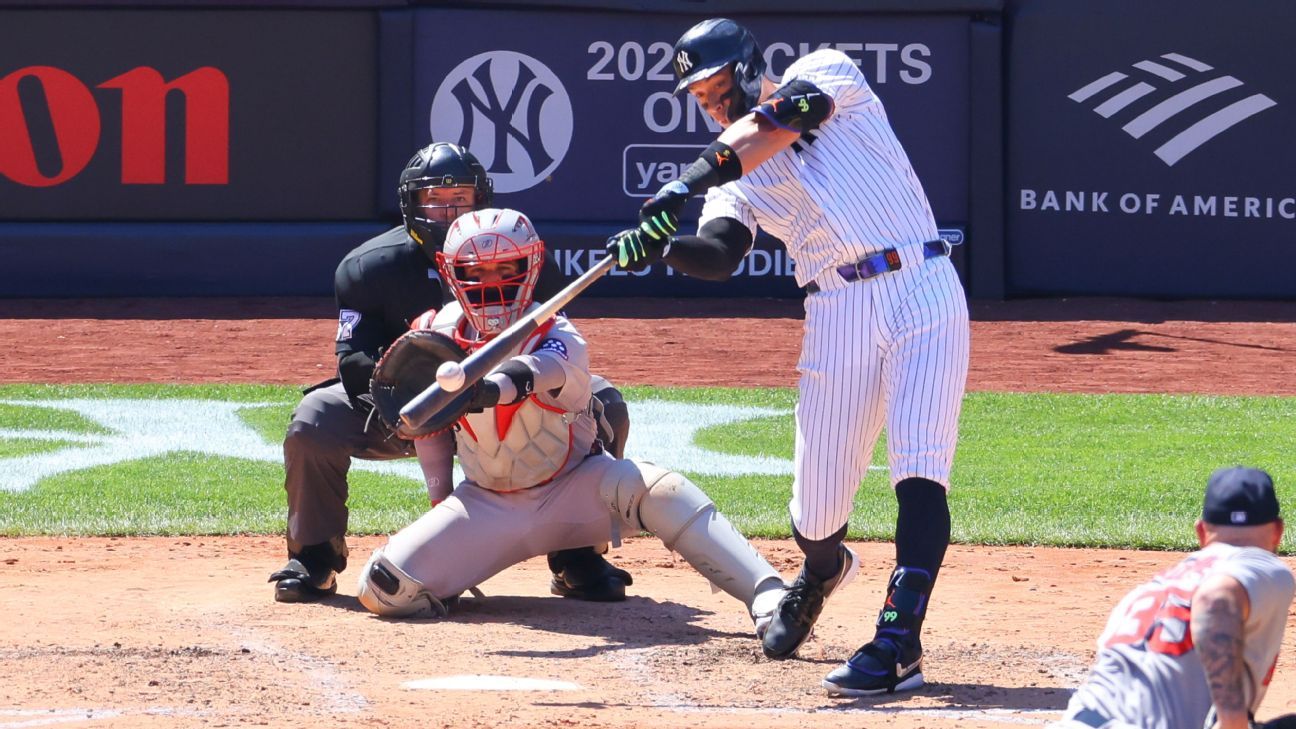
Decoding Aaron Judge: How Pitchers Strategize Against Baseball’s Biggest Threat
Aaron Judge is a force of nature at the plate. His towering presence and prodigious power demand respect from every pitcher he faces. But even the most intimidating hitters have vulnerabilities, and over the years, a select group of pitchers have found ways to navigate the challenge of facing baseball’s reigning home run king. This article delves into the strategies employed by those who’ve had success against Judge, offering insights gleaned from their experiences on the mound.
The Challenge of Facing Judge
Facing Judge isn’t just about throwing strikes; it’s about executing a precise game plan. You have to be locked in, understanding that any mistake can be amplified against a hitter with his capabilities, especially with runners on base. the margin for error is incredibly small.Success against Judge is measured differently than against other hitters. A walk,while generally undesirable,isn’t a catastrophe when the choice is a potential game-changing home run.
Who Has Found a Formula?
Several pitchers have consistently given Judge trouble. Chris Sale, for example, has struck him out 17 times in 27 at-bats, holding him to a .185 average. Here’s a look at other pitchers who’ve limited Judge’s offensive impact (minimum 10 plate appearances):
Corbin Burnes: .091 OPS
Seth Lugo: .182 OPS
Cristian Javier: .263 OPS
Miguel Castro: .273 OPS
Danny Duffy: .311 OPS
Drew Rasmussen: .322 OPS
Frankie Montas:.385 OPS
John Means: .388 OPS
Michael Wacha:.393 OPS
Brayan Bello: .400 OPS
Erick Fedde: .404 OPS
These numbers demonstrate that even elite hitters can be contained with the right approach.
strategies for Success: Insights from the Mound
So, what exactly do pitchers do to keep Judge in check? The answers, while varied, center around a few key principles.
1. Keeping Him Off-Balance:
Many pitchers emphasize the importance of disrupting Judge’s timing. This often involves changing speeds and locations, forcing him to guess. One pitcher recalled a teammate advising him to repeatedly throw a specific pitch that judge wasn’t anticipating,and it proved effective.
2. Location, Location, Location:
Velocity isn’t always the answer.Several pitchers stressed the importance of precise location. Hitting the top of the zone with a fastball or burying a curveball can disrupt judge’s swing.
3.Unpredictability is Key:
Judge is a smart hitter who studies his opponents. Therefore, maintaining unpredictability is crucial. You need to know his tendencies,but he needs to be kept guessing about your next move.
4. Challenging the Rest, Avoiding the danger:
Some pitchers adopt a different approach with Judge than with other hitters. While they’ll challenge the entire lineup, they’re more cautious when facing Judge. As one pitcher put it, “I’m not going to let him be the one to get me.”
5.Attack the zone:
A direct approach can also be effective.one pitcher simply stated he attacked the zone, relying on well-executed curves to induce swings and misses.
The importance of Pitch Selection
The specific pitches that work best against Judge vary, but certain options consistently appear in the conversation.
Fastballs at the Top of the Zone: These can disrupt Judge’s swing plane and force him to adjust.
Well-Placed Curveballs: A sharp curveball can be especially effective, especially when located down and away.
Changeups: Altering the speed can throw off Judge’s timing and make him commit too early.
Ultimately, the best pitch is the one executed with precision and tailored to Judge’s individual weaknesses.
the Mental Game
Facing Judge also requires a strong mental approach. You need to trust your stuff and believe you can get him
Keep reading