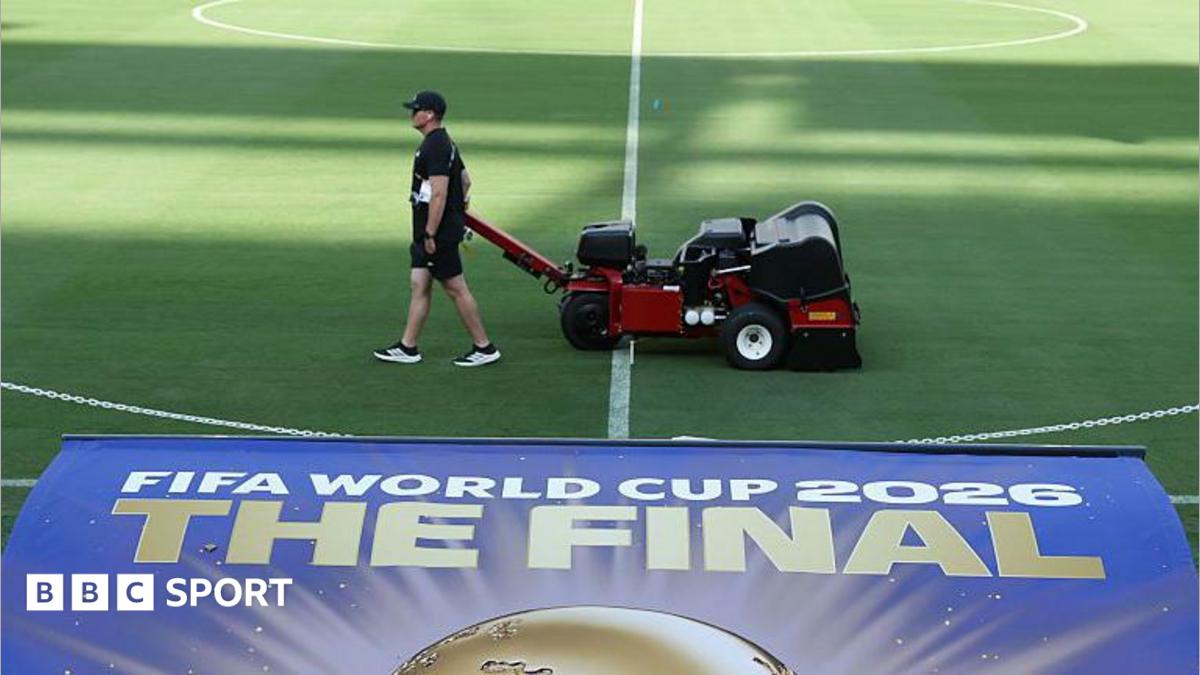
NFL players are intensifying their push for the universal adoption of natural grass fields across the league, citing player safety concerns and the high-profile success of the 2026 FIFA World Cup preparations. Following a social media campaign led by current athletes, the National Football League Players Association (NFLPA) has renewed its long-standing advocacy for replacing artificial turf surfaces with high-quality, permanent grass, arguing that the transition is necessary to reduce non-contact injuries. This movement gained significant momentum as international soccer matches showcased the feasibility of installing temporary, high-grade grass surfaces in stadiums traditionally dominated by synthetic turf.
The Safety Argument: Turf vs. Natural Grass
The core of the NFLPA’s argument rests on injury data collected over several seasons. According to official statements from the NFLPA, players consistently report a higher rate of lower-extremity injuries on synthetic surfaces compared to natural grass. The union maintains that artificial turf—specifically the slit-film variety used in several NFL stadiums—contributes to a higher incidence of non-contact injuries, including ACL tears and ankle sprains.
While the NFL has historically defended the quality of modern synthetic turf, noting that it allows for consistent play regardless of weather conditions, the players’ stance remains firm. The NFL’s official position emphasizes that all field surfaces, whether grass or turf, must meet rigorous performance and safety standards established through collaboration with third-party testing firms. Despite these standards, the gap between player perception and league policy has widened, with high-profile athletes using platforms like X (formerly Twitter) to publicly demand a league-wide standard for natural grass.
World Cup Influence and Stadium Infrastructure
The 2026 FIFA World Cup has served as a catalyst for this debate. Several NFL stadiums slated to host tournament matches, such as MetLife Stadium in East Rutherford, New Jersey, and AT&T Stadium in Arlington, Texas, have committed to installing temporary natural grass systems to meet FIFA’s strict requirements. The successful implementation of these surfaces has prompted players to ask a direct question: if high-quality grass can be installed for international soccer, why can it not be maintained for the duration of the NFL season?
The logistics of this transition involve significant financial and operational considerations. Natural grass requires specialized maintenance, including irrigation systems, drainage infrastructure, and UV lighting rigs, particularly in enclosed stadiums. For venue operators, the challenge lies in balancing the maintenance costs with the multi-purpose utility of these facilities, which host concerts and other events throughout the year. However, the NFLPA argues that the health and longevity of the players should be the primary factor in facility management decisions.
What Happens Next: The Path Toward Policy Change
The conversation between the NFL and the NFLPA regarding field surfaces is an ongoing component of the collective bargaining process and health and safety discussions. There is currently no league-wide mandate requiring natural grass, and the decision to install turf or grass remains largely up to individual team owners and facility managers. However, the increased public pressure from the player base is expected to influence upcoming stadium renovation projects and future venue contracts.
The next major checkpoint for this issue will be the off-season meetings where the NFL’s competition committee and health and safety subcommittees review league policies. Athletes and fans continue to monitor these developments closely. We invite you to share your thoughts on the debate between turf and grass in the comments section below, and stay tuned for further updates as team facility plans for the 2025 season and beyond are finalized.
Worth a look