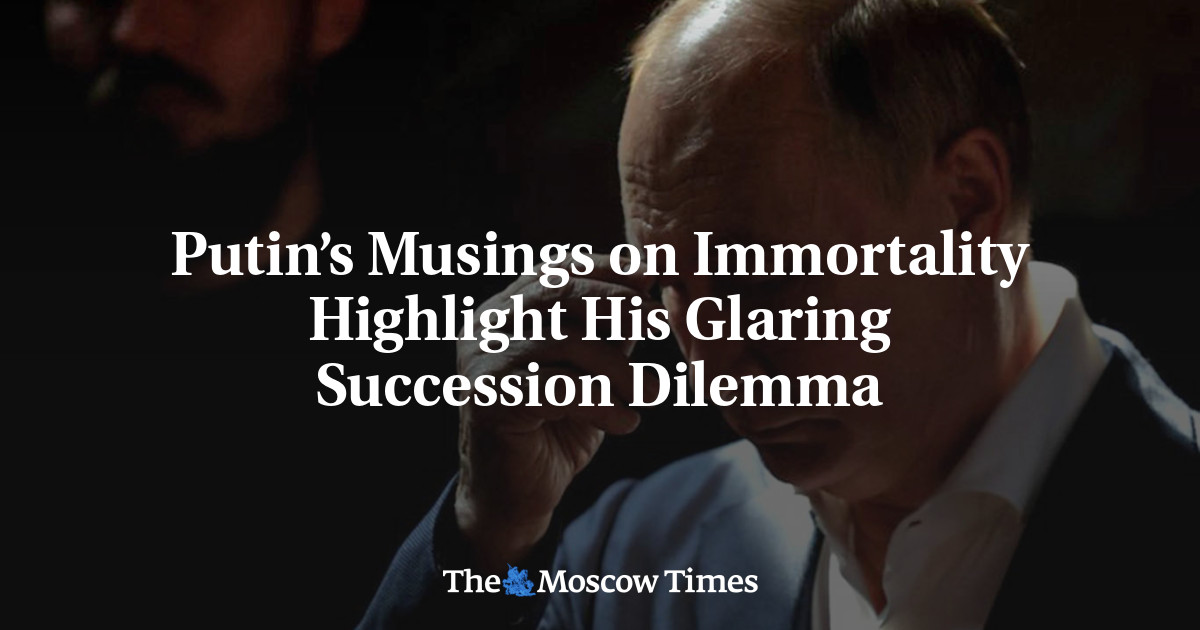
Russia and China Forge Deeper Ties, Challenging Western Influence
Russia and China are solidifying a partnership marked by growing political, economic, and military cooperation. This alliance is increasingly presented as a counterweight to what both nations perceive as a declining Western-led global order. Recent high-level meetings underscore a deepening relationship built on shared strategic interests and a desire for a multipolar world.
A Historic Partnership
Vladimir Putin and Xi Jinping have consistently emphasized the strength of their bilateral ties. Thay frequently highlight a shared understanding of global events and a commitment to mutual support. This collaboration isn’t simply transactional; it’s framed as a partnership rooted in a common vision for the future.
Putin recently described the relationship as being at “the highest level in history,” emphasizing its self-sufficiency and independence from external pressures. This suggests a deliberate effort to insulate the partnership from geopolitical shifts and Western influence.
Key Areas of Cooperation
Several key areas demonstrate the expanding scope of Russia-China collaboration:
* Economic Ties: Trade between the two countries continues to surge, with energy playing a crucial role.Russia has become a meaningful energy supplier to China, particularly as Western nations reduce their reliance on russian resources.
* Military Cooperation: Joint military exercises are becoming more frequent and complex. These drills signal a growing level of interoperability and strategic coordination between the two militaries.
* Political Alignment: Russia and China often find themselves aligned on key international issues, such as the conflict in Ukraine and the future of Taiwan.They frequently coordinate their positions within international organizations like the United Nations.
* Technological Collaboration: Both nations are actively pursuing cooperation in areas like artificial intelligence, space exploration, and advanced technologies. This collaboration aims to reduce their dependence on Western technological dominance.
A Challenge to the Existing Order
The strengthening Russia-China partnership is viewed by many as a direct challenge to the post-World War II international order. Both countries have expressed dissatisfaction with what they perceive as Western hegemony and a system that prioritizes Western interests.
They frequently enough invoke the memory of World War II, framing their alliance as a continuation of the “heroic feat” of defeating fascism and establishing a more balanced world. This narrative resonates with a desire to move beyond a world dominated by Western powers.
implications for the Future
The deepening ties between Russia and China have significant implications for the global landscape. You can expect to see:
* Increased Multipolarity: A stronger Russia-China alliance will likely accelerate the shift towards a more multipolar world, where power is distributed among multiple centers.
* Reduced Western Influence: The partnership could diminish Western influence in key regions and international organizations.
* New Economic Blocs: the alliance may foster the development of alternative economic blocs and financial systems,challenging the dominance of the US dollar and Western-led institutions.
* Geopolitical realignment: Other nations might potentially be forced to reassess their alliances and strategic priorities considering the growing Russia-China partnership.
Ultimately, the evolving relationship between Russia and China represents a fundamental shift in the global balance of power. It’s a development that demands careful attention and analysis as it reshapes the international order for years to come.
Keep reading