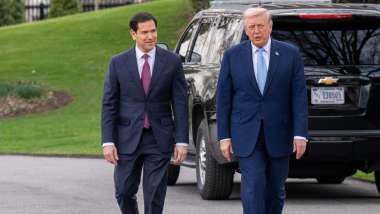
The diplomatic and security strategy of the United States administration under President Donald Trump regarding Iran centers on a direct policy of retaliatory force, according to recent statements from high-ranking government officials. The approach, characterized by officials as an “eye for an eye” posture, has heightened regional anxieties across the Middle East as international observers warn that the volatile security environment in the Persian Gulf remains unlikely to de-escalate in the near term.
International security analysts tracking the developments note that the ongoing cycle of friction between Washington and Tehran continues to strain diplomatic channels. With maritime choke points, energy infrastructure, and regional proxy networks all sitting at vulnerable intersections, military planners and geopolitical risk specialists emphasize that traditional diplomatic off-ramps are increasingly difficult to establish. As regional stakeholders brace for potential fallout, the core question remains how both governments will manage future flashpoints without triggering a wider conventional conflict.
Retaliatory Posture and Official Statements
The characterization of U.S. policy toward Iran gained renewed attention following public remarks by American diplomatic leadership outlining the administration’s red lines. According to statements reviewed by international news agencies, the official stance relies heavily on immediate, proportional, and disproportionate responses to hostile actions directed at American service members, regional allies, or commercial shipping lanes.
This “eye for an eye” doctrine marks a distinct refusal to absorb provocations without direct kinetic or economic pushback. Proponents of the strategy within security circles argue that projecting absolute resolve deters further escalation by establishing clear consequences for proxy attacks or maritime harassment. However, critics and regional experts caution that strict adherence to tit-for-tat retaliation leaves little room for miscalculation, where a single tactical clash could rapidly spiral into a strategic crisis.
Persian Gulf Security Implications
The broader Persian Gulf region remains a primary theater of concern for global energy markets and international shipping. Analysts from security research institutes point out that heightened defensive postures by the United States and its regional partners have saturated vital waterways like the Strait of Hormuz with naval assets.
While these deployments aim to secure free navigation and reassure partners such as Gulf Cooperation Council member states, they also increase operational friction. Commercial vessels operating in the region face elevated insurance premiums and revised transit protocols as shipping lines attempt to mitigate the risk of seizure or collateral damage. Energy traders closely monitor these developments, as any sustained disruption to Gulf oil and liquefied natural gas exports would trigger immediate shocks across global commodities markets.
Expert Warnings and Outlook
Geopolitical risk consultancies have issued repeated advisories indicating that structural drivers of tension between Washington and Tehran show no signs of abating. Diplomatic talks regarding Iran’s nuclear program remain deadlocked, and regional proxy dynamics in countries such as Yemen, Iraq, Lebanon, and Syria continue to provide avenues for indirect confrontation.
Security analysts suggest that short-term de-escalation is unlikely given the domestic political pressures facing leaders on both sides and the absence of a mediating framework acceptable to all primary actors. Observers emphasize that crisis management hotlines and backchannel communications remain essential tools to prevent accidental escalation, even as formal diplomatic engagement stays frozen.
Stakeholders across the international community continue to monitor official advisories and diplomatic channels for updates regarding regional security postures. Further developments are expected as defense departments review force protection measures and international maritime agencies issue updated navigation warnings for the Gulf and adjacent waters.