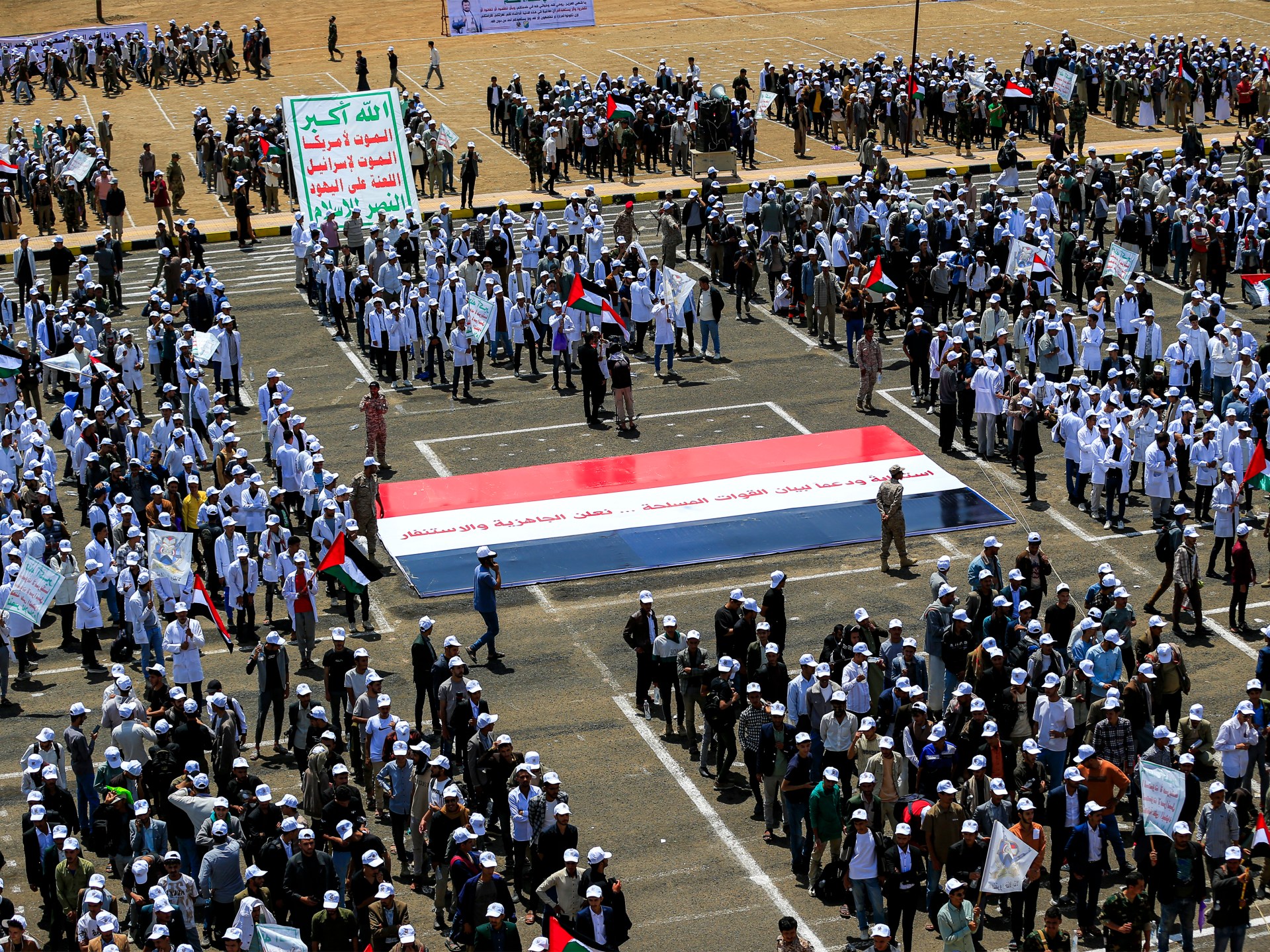
Renewed military escalation in the Red Sea has triggered sharp international alarm, with United Nations Special Envoy for Yemen Hans Grundberg warned that further confrontation risks dragging the country back into full-scale war. In a statement issued on Thursday, Grundberg said he was alarmed
by the resumption of attacks by the Houthis, also known as Ansar Allah, on commercial vessels, and called for talks to resolve the country’s crisis.
Hans Grundberg Warns of Regional Fallout as Maritime Strikes Resume
The diplomatic push follows an escalation in violence that has broken a largely frozen political deadlock. Yemen’s civil war has been mostly paused since 2022, but underlying tensions between the Houthi-controlled capital of Sanaa and the internationally recognized government have persisted. Grundberg stressed that peace remains achievable if the parties re-engage in dialogue addressing political, security, and economic priorities.
“Escalatory actions risk putting Yemen on a path toward further confrontation, drawing the country deeper into an already volatile regional environment, and deepening the suffering of the Yemeni people.”
Hans Grundberg, UN Special Envoy for Yemen
Houthi Blockade Proclamation and Tanker Attacks in the Red Sea
The renewed maritime campaign stems from a declared maritime ban. The Houthis announced a blockade against Saudi-linked shipping on July 20, retaliating against an airstrike on Sanaa airport’s runway. The internationally recognized government stated it carried out that July 13 strike to prevent an Iranian aircraft from landing.
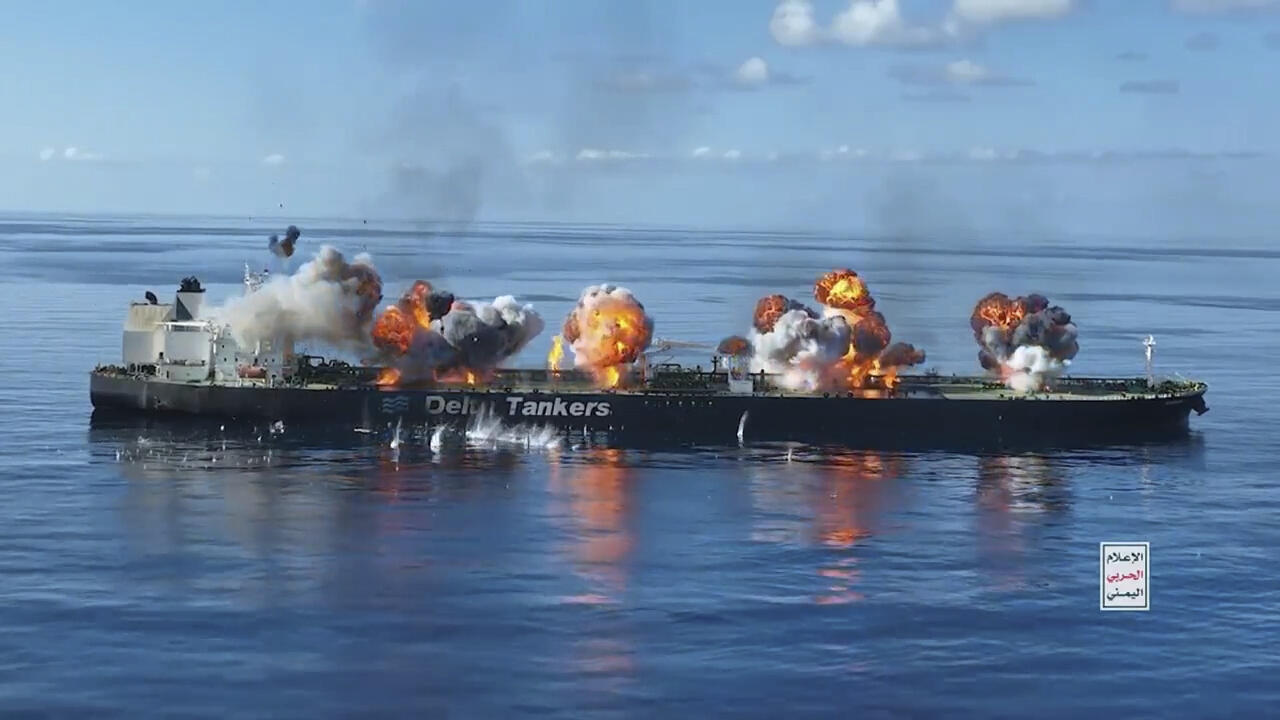
On Wednesday, Houthi military spokesman Yahya Saree claimed responsibility for striking two Saudi oil tankers, the Encelia and the Layla, using missiles and drones in response to violations of the blockade decision issued by the armed forces. The group also fired missiles targeting an airport inside Saudi Arabia.
The maritime disruptions have already forced at least five tankers to alter course, avoiding the Bab al-Mandeb Strait off the Yemeni coast. Market reaction has been immediate, with the transportation bottlenecks helping push the price of Brent crude oil above $100 a barrel. Shipping companies across Europe and Asia continue to evaluate security protocols, with major operators maintaining longer routes around the southern tip of Africa rather than utilizing the Suez Canal.
European Condemnation and Washington’s Warning to Tehran
European capitals have reacted with mounting concern to the widening shipping crisis. German Defense Minister Boris Pistorius stated that the situation in the Middle East is moving in the wrong direction, predicting severe consequences for nations reliant on regional energy imports, while the French Foreign Ministry termed the Houthi strikes irresponsible and called for an immediate halt to the aggression.

United States President Donald Trump issued a direct warning to Iran, holding Tehran accountable for the actions of its regional allies. Writing on social media, Trump threatened that major military punishment will be inflicted upon Iran and the Houthi movement if commercial shipping attacks continue. The warning coincided with ongoing U.S. military strikes in the region, compounding logistical strains across global shipping chokepoints including the Strait of Hormuz.
Humanitarian Toll and Stalled Diplomatic Channels in Muscat
Away from the coastline, the humanitarian situation inside Yemen remains acute. The United Nations estimates that 22 million Yemenis require aid, with 18.3 million facing severe food insecurity. UN officials and international bodies have repeatedly emphasized that sustained regional conflict directly undermines aid delivery and civilian protection.
Seeking to salvage the 2022 truce framework, Grundberg recently held a series of meetings in the Omani capital of Muscat with senior Omani officials and Houthi chief negotiator Mohammed Abdulsalam. Discussions focused on securing an immediate de-escalation and re-establishing multilateral negotiations across political, security, and economic tracks to achieve a sustainable settlement.
Worth a look