Unveiling Daily Life in Ancient Egypt: Beyond Pharaohs and Pyramids
Ancient Egypt captivates us with its monumental architecture and powerful rulers. However, a growing body of archaeological evidence is revealing captivating details about the lives of everyday Egyptians – their security measures, their routines, and even their leisure activities. Recent discoveries are painting a more complete picture of this ancient civilization, moving beyond the iconic images of pharaohs and pyramids.
Policing and Security in Ancient Egypt
For centuries, understanding of ancient Egyptian law enforcement was limited. Now, evidence from tombs like that of Mahu, a high-ranking official, is changing that. Scenes within his tomb depict what appear to be police actively engaged in maintaining order.
* Illustrations show officers detaining individuals attempting to enter the city, suggesting controlled access and a concern for security.
* Other depictions reveal sentries stationed along roadways and at small structures, likely functioning as checkpoints.
* Thes findings confirm that a dedicated system of policing was in place, actively guarding the city boundaries and key areas.
This isn’t just about preventing crime; it speaks to a society that valued order and control, even at the local level. You can imagine the importance of safeguarding a thriving urban center like amarna.
A Whistle through Time: A Glimpse into Ancient Recreation
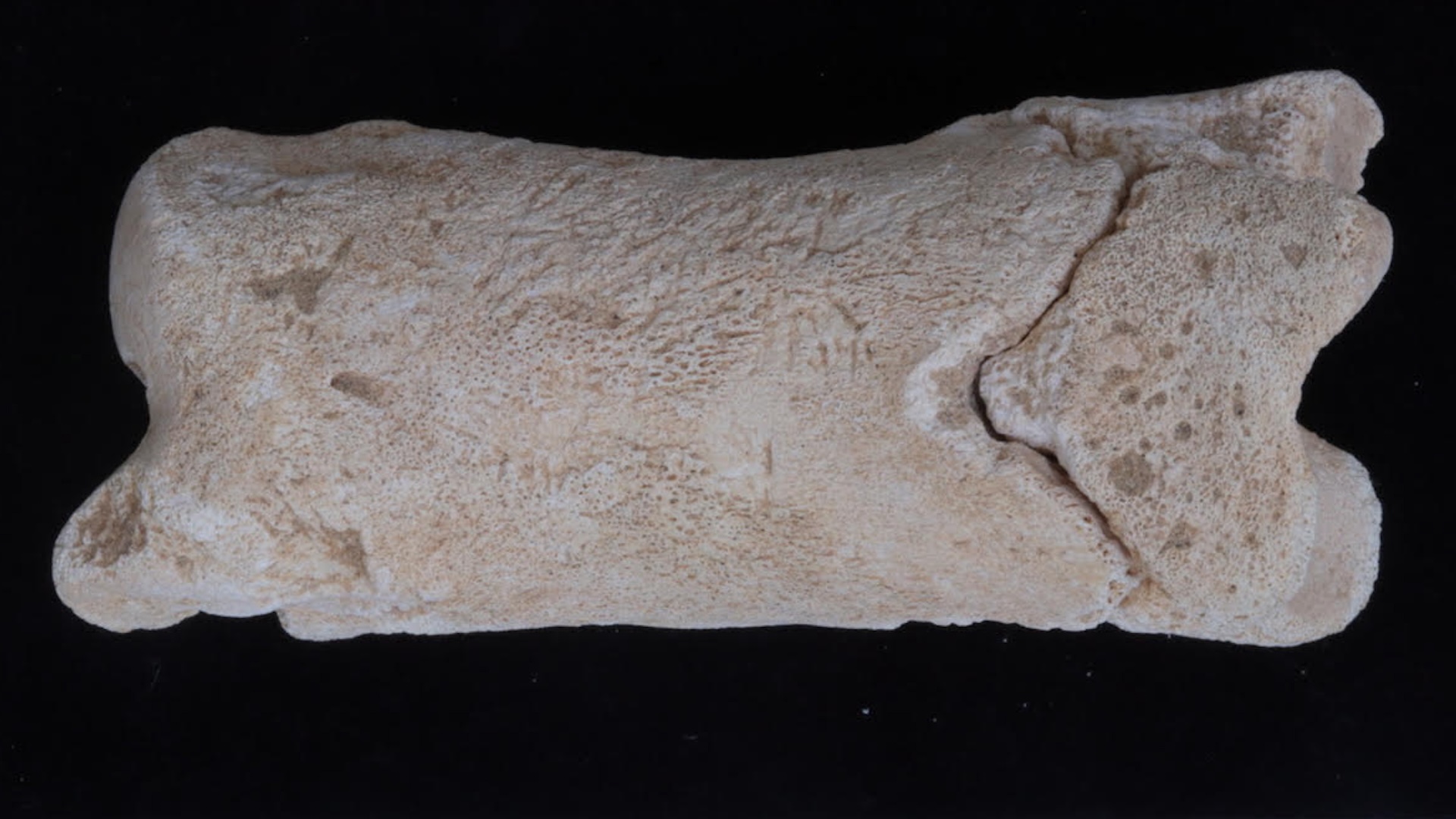
Archaeologists recently unearthed a remarkable artifact: a bone whistle dating back to ancient Egypt. Initially, its purpose was unclear. It bore a striking resemblance to whistles discovered in Stone Age Europe.
After careful consideration, researchers determined it wasn’t a tool or religious object. Instead, it was likely a recreational item – ancient Egypt’s first known whistle! This finding highlights a previously overlooked aspect of daily life. It reminds us that even in a society focused on the afterlife, people found time for simple pleasures.
Why Amarna Matters: The Voices of the Everyday People
Sites like Amarna are invaluable because they offer a unique window into the lives of ordinary egyptians. While grand tombs and monuments celebrate the pharaohs, Amarna preserves the stories of those who lived alongside them.
Consider this:
- Amarna was a short-lived capital city built by Akhenaten, a pharaoh who challenged customary religious beliefs.
- The city was largely abandoned after his death, preserving a snapshot of life during his reign.
- Excavations reveal not only the homes of officials but also the dwellings of artisans, laborers, and their families.
This allows us to understand the social structure, economic activities, and daily routines of a broader segment of the population. It’s a crucial step in moving beyond a solely elite-focused understanding of ancient Egypt.
Delving Deeper: Expanding Your Knowledge
Are you eager to test your knowledge of ancient Egypt? Explore your understanding of pyramids, hieroglyphs, and King Tut with this engaging quiz. ancient Egypt quiz
These ongoing discoveries demonstrate that ancient Egypt was a complex and vibrant society. By continuing to investigate these often-overlooked details, we can gain a richer, more nuanced appreciation for the lives of the people who built this amazing civilization. It’s a journey of uncovering not just the grandeur of the past, but the humanity within it.
Keep reading
- South Korea Considers Health Insurance Premium Hikes Amid Projected Deficits
- How Physical Space Shapes Patient Experience, Brand, and Healthcare Performance
- Saudi Arabia Launches First Saudi Water Week in Jeddah to Address Water Security (archyworldys.com)
- Chef Lee Moon-jung Reveals Secret Pregnancy While Working (archynewsy.com)