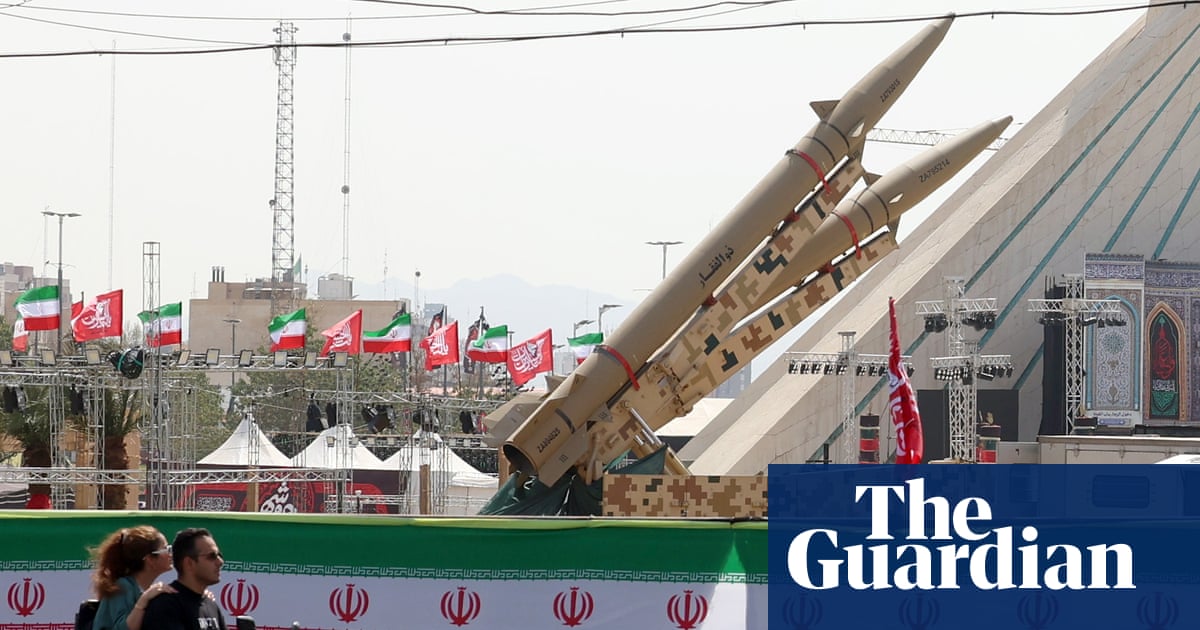
The Middle East conflict has entered a more sophisticated phase as Iranian ballistic missile systems demonstrate an increased ability to penetrate regional defense shields. U.S. and partner forces have faced a sustained barrage targeting military installations and critical infrastructure across the Gulf, with attacks relying on technical advancements and tactical evolutions that defense analysts say represent a real transformation in Tehran’s capabilities.
The Kheibar Shekan Missile and Evolving Tactics at U.S. Bases
At the center of Tehran’s arsenal is the Kheibar Shekan missile, which U.S. officials said has been fired at American bases since fighting intensified. The weapon is a mobile, accurate system with a range of at least 900 miles. To defeat interception systems, operators use a combination of different flight paths, maneuvers, and speeds designed to confuse defenders.
This operational shift mirrors tactics observed in other modern conflicts. According to military experts, Tehran has adopted methods similar to Russia’s approach in Ukraine, deploying smaller, synchronized salvoes alongside drones to distract radar systems and clear a path for incoming ballistic strikes. Jordanian Lt. Gen. Qasid Mahmoud, former Deputy Chief of Staff for his country’s armed forces, explained that the Iranians use simple missiles to distract the radar before firing higher-quality munitions that alter their trajectories in the final 30 or 40 kilometers.
Air Defense Strain and the Casualties in Jordan
The tactical improvements have taken a severe toll on personnel stationed at regional outposts. On Friday, an attack on the Muwaffaq Salti Air Base in Jordan—which was being protected by a Thaad air defense system—killed two U.S. soldiers and left one missing in action, while injuring dozens more. The same base had sustained direct hits twice in the preceding 48-hour period.
Describing the incident, Secretary of State Marco Rubio told reporters that one leaked through,
adding that “a missile got through. We shot down almost all the missiles. One leaked through … it’s heartbreaking.” However, regional analysts and ongoing Pentagon reviews emphasize that repeated strikes indicate a systemic vulnerability rather than an isolated anomaly. U.S. Central Command spokesman Captain Tim Hawkins noted that while U.S. and partner forces “defeated dozens of missiles and drones launched by Iran toward neighboring Gulf countries on July 17, but unfortunately a few got through and made impact.”
President Trump addressed the security arrangement at the Jordanian base on Tuesday, pointing out that other operators
were present who let something through.
While asserting that the U.S. maintains the best equipment in the world, the president suggested that delegating defense duties to partner nations can yield mixed outcomes.
Technological Sophistication and Foreign Assistance Debates
The sustained effectiveness of the Iranian campaign stems from a three-year technological evolution of its ballistic program, which U.S. intelligence estimates keep roughly 70% intact despite prior claims of destruction. Andreas Krieg, an associate professor at the school of security studies at King’s College London, characterized the developments as a real transformation
driven by improved guidance, navigation, and steerable warheads capable of adjusting their course during descent.
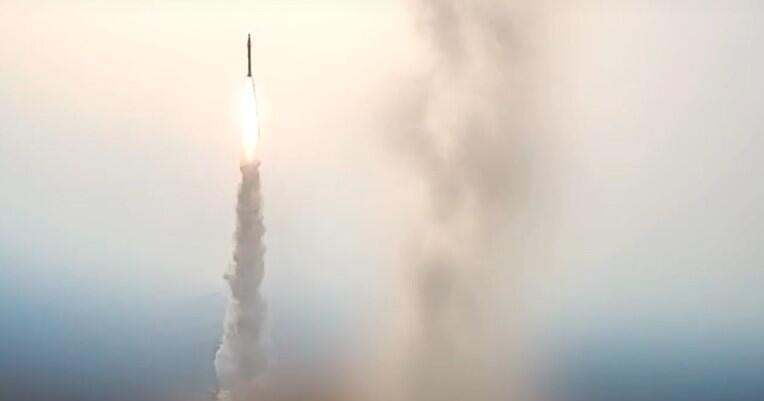
Navigational resilience is bolstered by simultaneous integration systems. According to reporting on the missile systems, Iranian missiles boast complex navigation, using GPS, China’s BeiDou and Russia’s Glonass simultaneously. Furthermore, terminal-phase optical and heat-seeking guidance renders these warheads immune to electronic radio jamming.

Questions persist regarding external technical support for Tehran’s military infrastructure. The United States imposed sanctions on three Chinese companies in May, including Mizar Vision, for providing satellite imagery that exposed the layout of air defense batteries in Saudi Arabia, Bahrain, and Jordan. Yet, other experts urge caution against overstating foreign involvement. Sidharth Kaushal of the Royal United Services Institute observed that Iran has focused on static targets at US bases, for which commercial imagery was enough, noting an absence of strikes on highly dynamic targets that would necessitate specialized foreign aid.