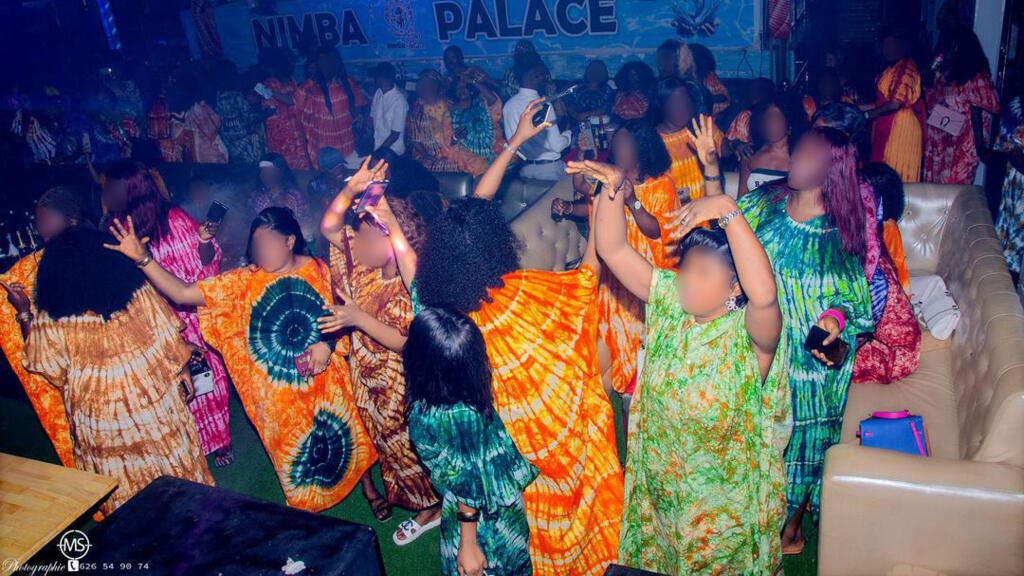
Did You Know? In early September 2025, Mali’s government officially prohibited “Dior parties” nationwide, citing concerns about cultural values and public order. This action highlights the complex interplay between tradition, modernity, and social expression in West Africa.
The vibrant spectacle of young women adorned in brilliantly hued boubous,engaging in spirited dances,has rapidly become a dominant feature across West African social media platforms. Originating in Guinea, these gatherings, quickly termed “Dior parties,” have ignited a widespread social phenomenon. While many perceive these events as a celebratory resurgence of African heritage and a powerful expression of female solidarity, the trend has simultaneously provoked substantial opposition from more conservative elements within society, culminating in a complete prohibition of the celebrations by the Malian government.
The Rise of Dior Parties: A Cultural Shift
The initial emergence of Dior parties can be traced back to Guinea in late 2024, quickly gaining traction through platforms like TikTok and Instagram. These gatherings typically involve groups of women, often friends or acquaintances, dressing in elaborate boubous – conventional flowing robes worn across West Africa – and performing choreographed dances to contemporary music, often incorporating elements of traditional Guinean rhythms. The aesthetic is characterized by bold colours, intricate patterns, and a strong emphasis on collective joy and self-expression. As of August 2025, hashtag searches related to “Dior parties” have generated over 350 million views across TikTok alone, demonstrating the scale of the trend’s reach. This surge in popularity reflects a broader movement towards reclaiming and celebrating African cultural identity, particularly among younger generations.
The appeal of Dior parties extends beyond mere aesthetics. they provide a space for women to connect, support one another, and challenge conventional social norms. These parties are about more than just the clothes and the dance; they’re about sisterhood and empowerment
, explained Aminata Diallo, a sociologist specializing in West African youth culture at the University of Dakar. The events often feature themes of female empowerment and financial independence, with participants using the platform to promote small businesses and entrepreneurial ventures. This economic dimension adds another layer to the cultural importance of the Dior party phenomenon.
Controversy and Backlash: Navigating Tradition and Modernity
Despite their positive aspects,Dior parties have faced considerable criticism,primarily from conservative religious and cultural leaders. Opponents argue that the events are immodest, promote excessive displays of wealth, and deviate from traditional Islamic values prevalent in many West African nations. Concerns have been voiced regarding the perceived sexualization of the dances and the potential for these gatherings to disrupt public order. These criticisms are rooted in a long-standing tension between modernization and the preservation of cultural heritage. A recent Pew Research Center study (July 2025) indicates that 68% of Malians identify strongly with traditional cultural values, suggesting a meaningful segment of the population susceptible to concerns about cultural erosion.
The situation escalated dramatically in mali, where the government, citing concerns about behaviour that undermines morality and public order
, issued a nationwide ban on Dior parties in early September 2025. This decision has sparked widespread debate, with supporters of the parties accusing the government of infringing on essential freedoms and stifling cultural expression. Human Rights Watch released a statement on September 10th, 2025, expressing concern over the ban, arguing that it disproportionately affects women and limits their right to participate in cultural life. The ban in Mali serves as a stark example of the challenges faced by emerging cultural movements in navigating complex socio-political landscapes.
The Boubou: A Symbol Reclaimed
Central to the Dior party phenomenon is the boubou itself. Historically worn by women across West Africa for centuries, the boubou has undergone a significant change in recent years. Traditionally, boubous were frequently enough reserved for special occasions and were seen as symbols of status and respect. Though, in the context of Dior parties, the boubou has been reimagined as a statement of contemporary African identity and female empowerment. Designers are creating modern interpretations of the garment, incorporating vibrant colours, bold patterns, and innovative fabrics. This revitalization of the boubou reflects a broader trend of African designers reclaiming and reinterpreting traditional clothing for a global audience. According to a report by the African Fashion Foundation (June 2025), the African fashion industry is projected to generate $158 billion in revenue by 2030
Keep reading
- Since the provided input is only an image link and contains no text or context about the article’s content, it is impossible to create a specific SEO title. However, based on the source (Times of India), if this is a general news piece, a high-performing SEO template would be: [Main Subject/Keyword]: Latest Updates, News, and Key Highlights
- Armed Clashes Erupt in the Libyan City of Zawiya