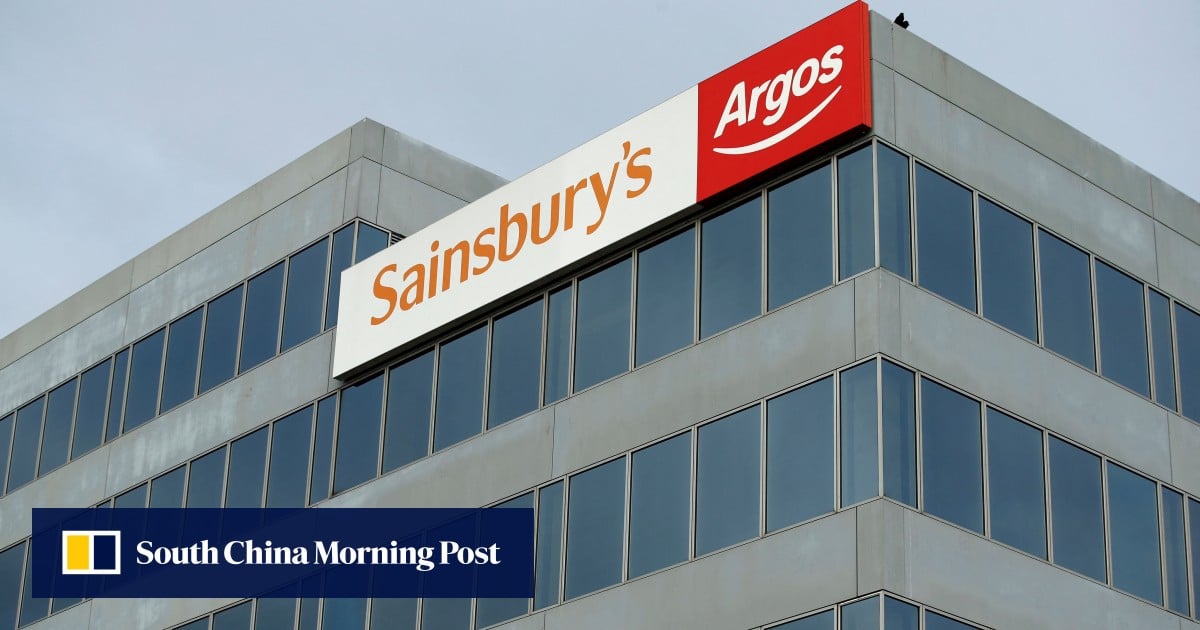
Sainsbury’s Ends Argos Sale Talks with JD.com: What It Means for Retail
The British supermarket giant,Sainsbury’s,has abruptly terminated discussions with Chinese e-commerce powerhouse JD.com regarding the potential sale of its Argos general merchandise business. This surprising advancement, announced Sunday, September 15th, 2024, follows just a day after Sainsbury’s confirmed talks were still progressing. but what led to this sudden shift, and what does it signal for the future of both companies and the broader retail landscape?
the Deal That Wasn’t: A Timeline
Here’s a quick recap of how events unfolded:
* Initial Interest: Sainsbury’s began exploring strategic options for Argos, including a potential sale, as part of its broader focus on strengthening its core food retail business.
* Friday’s Confirmation: On Friday, September 13th, Sainsbury’s publicly acknowledged it was in discussions with JD.com. the potential partnership was touted as a way to leverage JD.com’s technology, logistics, and retail expertise to accelerate Argos’ growth.
* Sunday’s Termination: Sainsbury’s announced the termination of talks, citing a significant change in JD.com’s proposed terms and commitments.The company stated that accepting these revised terms wouldn’t be in the best interest of its shareholders.
* JD.com’s Silence: As of this writing, JD.com has not issued a public response to Sainsbury’s announcement.
Why Did the Deal Fall Apart?
The core issue appears to be a disagreement over the terms of the acquisition. Sainsbury’s stated that JD.com sought to “materially revise” its initial offer, making it unacceptable. While the specifics remain undisclosed, industry analysts speculate several factors could be at play. These include valuation discrepancies, concerns over integration challenges, and potentially, evolving market conditions.
Recent data from Mintel (August 2024) shows a slowdown in general merchandise spending in the UK, with consumers prioritizing essential goods due to cost-of-living pressures. This shift in consumer behavior may have influenced JD.com’s willingness to commit to its original terms.
What Does This Mean for Sainsbury’s?
This outcome forces Sainsbury’s to reassess its strategy for argos. Under CEO Simon Roberts, who took the helm in 2020, the company has increasingly prioritized its food business. argos, while a valuable asset, doesn’t align as seamlessly with this core focus.
Here are the likely paths forward for Sainsbury’s:
* Continued Ownership: Sainsbury’s may retain Argos and focus on improving its performance through internal initiatives. This could involve further integration with the Sainsbury’s ecosystem, such as offering click-and-collect services for Argos products within Sainsbury’s supermarkets.
* Alternative Buyers: The company could seek alternative buyers for Argos, potentially from private equity firms or other retail groups.
* Strategic Partnership (Without Acquisition): Sainsbury’s might explore a less comprehensive partnership with JD.com, focusing on specific areas of collaboration like technology or logistics, without a full sale.
Sainsbury’s reaffirmed its expectation of achieving retail underlying operating profit of around £1 billion in the financial year 2025-2026, signaling confidence in its overall strategy despite the setback with the Argos sale.
What Does This Mean for JD.com?
For JD.com, the failed acquisition represents a missed possibility to gain a significant foothold in the UK retail market. The company has been actively expanding its international presence, and argos would have provided a ready-made infrastructure and customer base.
Though, JD.com’s willingness to walk away from the deal suggests a disciplined approach to acquisitions. They likely weren’t prepared to overpay or accept terms that didn’t align with their long-term strategic goals. A recent report by Forrester (September 2024) highlights the increasing importance of profitability over rapid expansion for chinese tech companies operating internationally.
The Broader Retail Implications
This situation underscores the challenges facing the general merchandise retail sector. Consumers are increasingly price-sensitive, and competition from online giants like Amazon is fierce. Retailers need to offer compelling value propositions,seamless omnichannel experiences,and efficient logistics to succeed.
The failed deal also highlights the complexities of cross-
Related reading