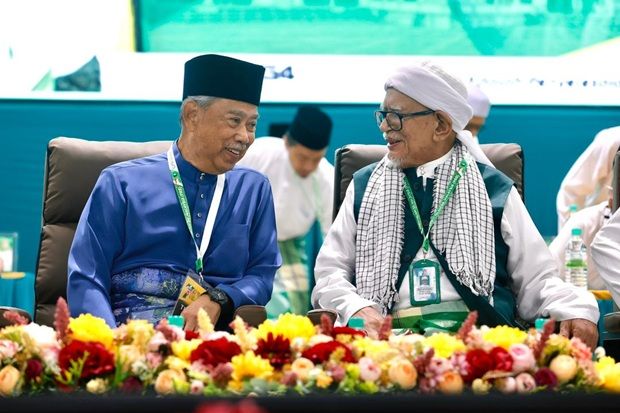
Securing the Islamic Agenda: PAS‘s Strategy for maintaining and Expanding Political Power in Malaysia
The recent successes of PAS and the Perikatan Nasional (PN) coalition in Malaysia’s political landscape are undeniable. Following the 2022 General Election (GE15),PAS President Tan Sri Abdul Hadi Awang is now urging party members to proactively defend PAS seats – both state and parliamentary – secured in the last election. This isn’t merely about holding onto power; it’s a strategic move to solidify a platform for implementing an Islamic agenda tailored to each state’s unique jurisdiction. But what does this defense strategy entail, and what are the broader implications for Malaysian politics?
The Meaning of “Base States”
abdul Hadi Awang refers to currently held states as “negeri pangkalan,” or “base states.” These are crucial strongholds where PAS can demonstrably enact its policies and build a foundation for future expansion. Maintaining control of these states – Kelantan, Terengganu, Kedah, and Perlis – is paramount.
Recent data from the Department of Statistics Malaysia (DOSM) shows a growing emphasis on religious values within certain demographics, potentially bolstering support for parties like PAS. https://www.dosm.gov.my/ this trend underscores the importance of these “base states” as testing grounds for policies that resonate wiht a meaningful portion of the electorate.
Expanding Beyond the Core: PN’s Growth Strategy
The ambition doesn’t stop at defense. PAS, within the PN coalition, is setting its sights on further gains. The next wave of victories is anticipated in Pahang, perak, and Selangor. Together, efforts are being concentrated on strengthening PN’s presence in southern states and Sabah, notably with upcoming state elections on the horizon.
This expansion strategy relies on several key factors:
* Coalition Strength: The PN coalition, securing 74 parliamentary seats in GE15, presents a formidable challenge to the ruling Pakatan Harapan (PH) coalition (82 seats).
* Economic Solutions: Leveraging endorsements like that of tun Dr Mahathir Mohamad, who recognizes islam’s potential in addressing global economic crises, adds credibility to PN’s platform.
* State Government Coordination: The establishment of “State Government 4” (SG4) aims to streamline governance and policy implementation across the four states under PAS leadership.
* Targeted Messaging: Focusing on issues like cost of living, religious preservation, and good governance, tailored to specific regional concerns.
GE15: A Landmark Achievement for PAS
The 2022 General Election marked a turning point for PAS. It achieved its greatest success since its founding,gaining control of four state governments and winning the highest number of parliamentary seats compared to any other single party. This victory wasn’t accidental. It was the result of decades of grassroots organizing, strategic alliances, and a clear articulation of its political ideology. Understanding PAS’s electoral performance is key to predicting its future trajectory.
Addressing common Concerns & Future Challenges
Many observers question the long-term sustainability of PAS’s approach. concerns revolve around potential issues like:
* Federal-state relations: Balancing state-level Islamic agendas with federal constitutional principles.
* Minority Rights: Ensuring inclusivity and protecting the rights of non-Muslim communities.
* Economic Progress: Attracting investment and fostering economic growth in states under PAS control.
Successfully navigating these challenges will be crucial for maintaining public trust and securing continued support. A key aspect of this will be demonstrating effective governance and delivering tangible benefits to all citizens, irrespective of their religious background. Exploring political strategies of PAS will be vital for understanding its future.
Evergreen Insights: The Enduring Appeal of Identity Politics
The success of PAS highlights the enduring power of identity politics in Malaysia. Religious and cultural identity frequently enough play a significant role in shaping voting behavior. This isn’t unique to Malaysia; similar trends are observed globally. Understanding the underlying drivers of identity politics – including socio-economic anxieties, cultural preservation concerns, and a desire for belonging – is essential for comprehending the dynamics of political competition. This is a timeless insight applicable to political landscapes worldwide. Considering Islamic political parties in Malaysia provides a broader context.
FAQ: Defending PAS Seats and Future Prospects
Q: What does “defend PAS seats” actually mean in practical terms?
A: It means mobilizing party members,strengthening grassroots support,and actively campaigning to retain
Related reading