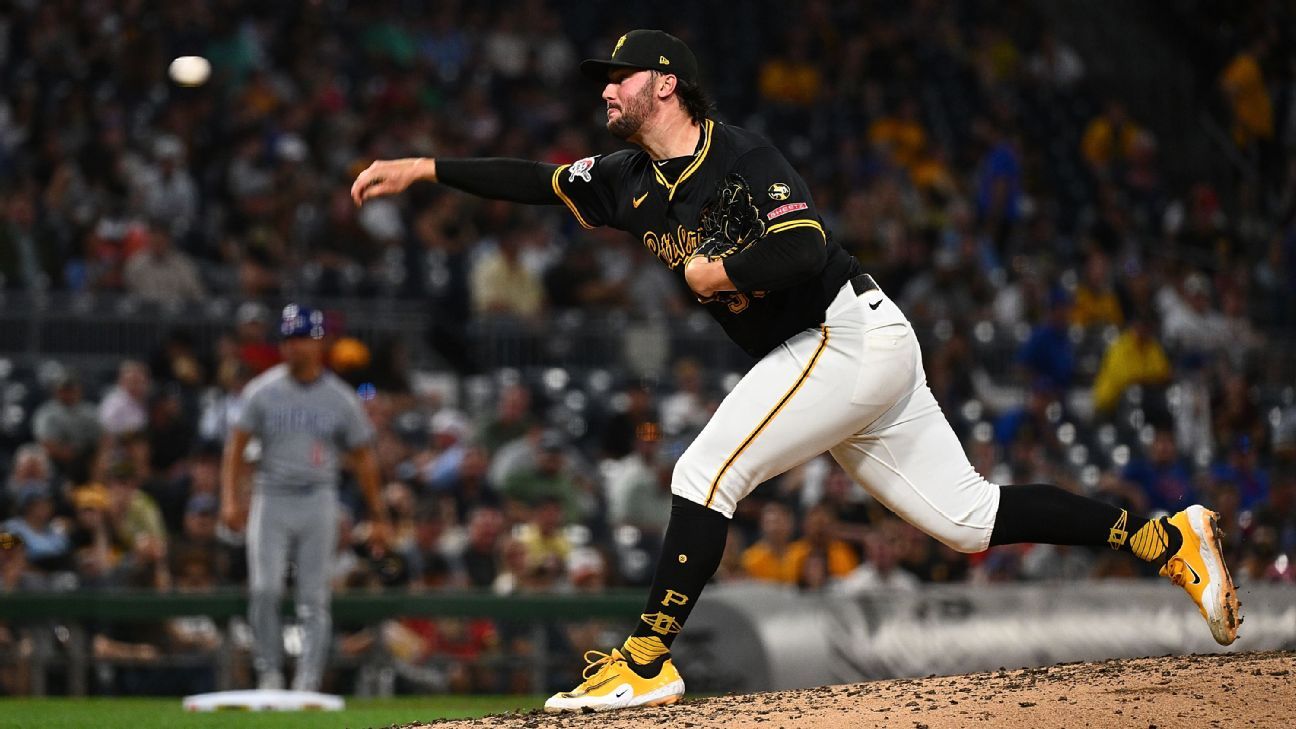
The Evolving Definition of a Modern MLB Ace
The role of the starting pitcher in Major League Baseball has undergone a dramatic transformation. You might notice a shift away from the workhorse pitchers of yesteryear, and it’s a change worth understanding. Today’s “ace” looks different than the dominant starters of the 70s, 80s, and 90s, and appreciating that difference is key to evaluating today’s top talent.
The Shorter, Sharper Outing
For decades, a true ace was defined by durability – the ability to consistently deliver deep into games, racking up wins and innings pitched. Now, dominance over shorter outings is the defining characteristic. This isn’t a decline in talent, but rather a strategic adaptation to the modern game.
Consider the current landscape: pitchers like Yoshinobu Yamamoto, Logan Webb, and Max Fried represent the new standard. their average line – 13-6, 2.65 ERA, 174 innings pitched – is remarkable, but noticeably different from previous generations.
Here’s a breakdown of the key changes:
* Decreased Workload: Pitchers are throwing roughly 30-40 fewer innings per season compared to a decade ago.
* Focus on Efficiency: The emphasis is now on maximizing impact within those fewer innings.
* Shift in Value: While overall innings totals are down, productivity remains high.
The Numbers Tell a Story
The shift is reflected in key statistics. The average MLB starter now boasts a 4.18 ERA with 8.4 strikeouts per nine innings and a 2.62 strikeout-to-walk ratio. These numbers demonstrate a high level of skill, even if they don’t translate to the same volume of work.
furthermore, wins are becoming less indicative of ace-level performance. Recent Cy Young Award winners average just 15.1 wins per season, and a 20-game winner hasn’t been seen as 2019. This isn’t a sign of weakness, but a consequence of teams strategically managing pitcher usage.
A compelling statistic highlights this evolution: today’s aces allow no runs or just one run in a remarkable 171 out of every 346 starts. This demonstrates an remarkable ability to control games, even if those games are shorter.
What Defines an Ace in 2025?
So, what does it take to be an ace in the current era? It’s about consistently delivering quality starts - outings where a pitcher gives his team a strong chance to win.
Here’s what you should look for:
* Dominant Stuff: High velocity, sharp movement, and a diverse pitch mix.
* Command and Control: the ability to consistently hit their spots.
* Mental Toughness: The composure to perform under pressure.
Players like Paul Skenes and Tarik Skubal exemplify this new breed of ace. Skenes, for example, has already achieved a WAR (Wins Above Replacement) of 7.2 – a figure comparable to many of the top pitchers from the 1970s and 80s.
Beyond the win-Loss Record
It’s easy to get caught up in traditional stats like wins and innings pitched. However, a more comprehensive metric like WAR provides a better assessment of a pitcher’s overall value.
You might remember Dwight Gooden‘s legendary 1985 season (24-4). While that’s an incredible accomplishment, it’s not directly comparable to Skenes’ 10-10 campaign in 2025. The game has changed, and the metrics need to reflect that.
Ultimately, the goal is to appreciate the exceptional talent on display today. Skenes, Skubal, and other top starters are just as valuable as their predecessors, even if their statistics look different.
A Legacy of Excellence
Just as stars like Randy Johnson,Greg Maddux,and Clayton Kershaw captivated audiences in their respective eras,Skenes and Skub
Related reading