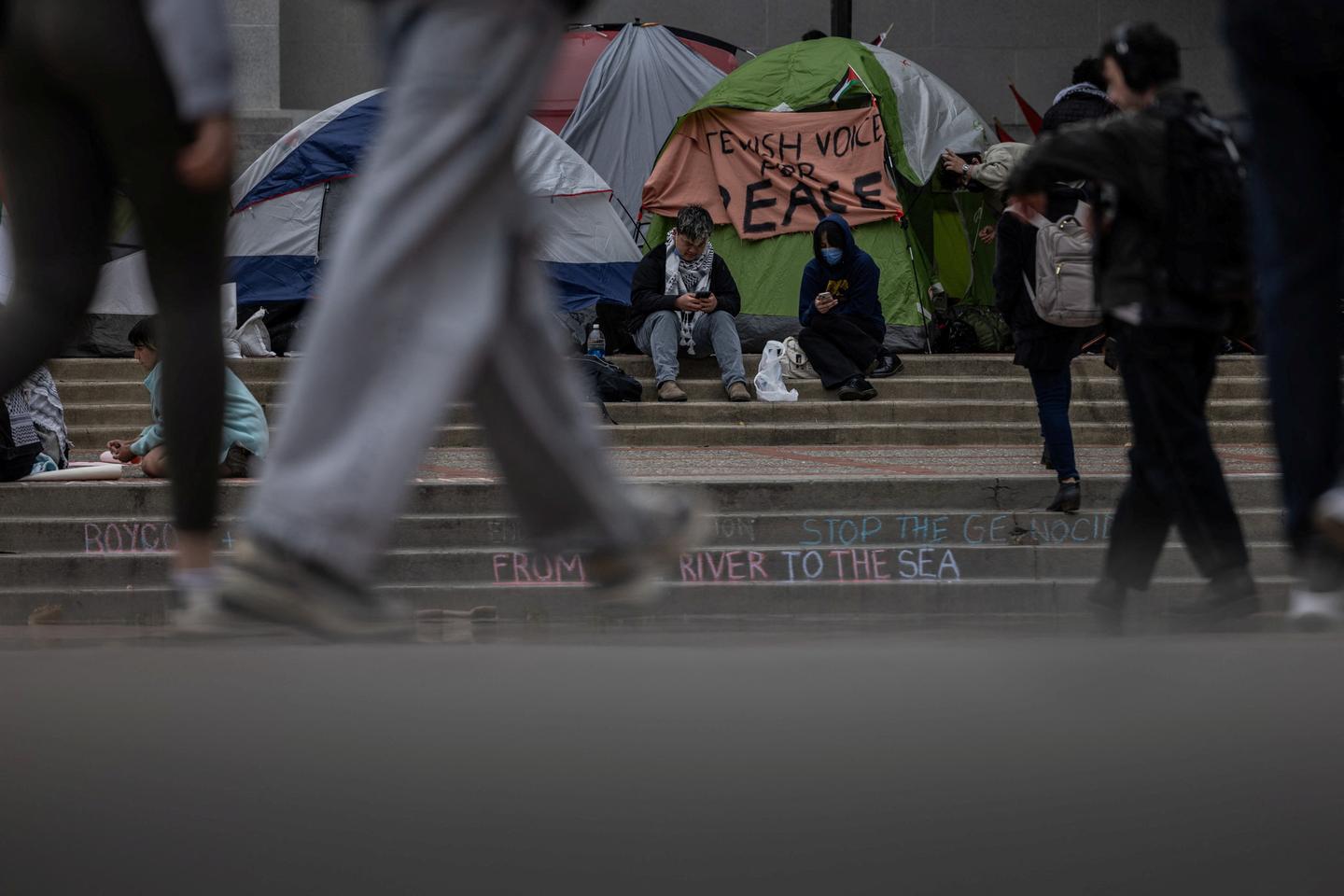
The Rising Cost of Campus “Safety”: How federal Pressure is Silencing Universities
A troubling pattern is emerging on American university campuses. Institutions are facing intense pressure from the federal government, accused of failing to adequately address antisemitism. This isn’t a simple matter of upholding values; it’s rapidly evolving into a financially coercive situation with meaningful implications for academic freedom and institutional autonomy.
I’ve found that the current approach feels less like genuine concern and more like a calculated strategy.The tactic is consistently the same: launch investigations, threaten to withhold substantial federal research funding, and then demand concessions. It’s a playbook that’s creating a chilling effect on open discourse.
The Financial Toll: A Growing Pattern of Penalties
Columbia University recently agreed to pay a $221 million fine after negotiations stemming from accusations of tolerating antisemitism on campus.This came with the threat of losing $1.3 billion in federal funds. Harvard University, currently under twelve federal investigations, has taken legal action while simultaneously pursuing a potential settlement – reportedly around $500 million.
Here’s what’s notably concerning: these negotiations increasingly resemble organized racketeering. Universities are essentially being extorted into compliance, sacrificing financial stability to avoid further scrutiny.
* Investigations as Leverage: Federal inquiries are being used as a primary tool to exert pressure.
* Funding as a Weapon: The threat of withholding billions in research dollars is a powerful deterrent.
* Settlements as Capitulation: Agreements frequently enough involve significant financial penalties and perhaps compromise institutional principles.
Beyond the Numbers: The Impact on Academic Freedom
you might be wondering, what does this mean for you, the student, the faculty member, or simply someone who values open debate? The consequences are far-reaching.
Universities, understandably, are becoming increasingly risk-averse.They’re prioritizing compliance over fostering environments where challenging ideas can be freely explored. This creates a climate of self-censorship, where professors and students may hesitate to express views that could be perceived as controversial.
I believe this is a perilous precedent. A core tenet of higher education is the pursuit of knowledge through rigorous inquiry and open discussion. When that’s stifled,the entire academic enterprise suffers.
The Broader Context: A Return to Familiar tactics
This situation isn’t entirely new. It echoes strategies employed during previous administrations, particularly under Donald Trump. The current management, while framing the issue as a matter of civil rights, is utilizing similar mechanisms to exert control over institutions of higher learning.
* Past Precedent: Similar tactics have been used in the past to influence university behavior.
* Political Motivation: The timing and intensity of these investigations raise questions about political motivations.
* long-term Consequences: The erosion of academic freedom could have lasting effects on the quality of education and research.
What Can Be Done?
It’s crucial to recognize this pattern for what it is: a concerted effort to reshape the landscape of higher education.Here’s what needs to happen:
- Openness and Due Process: Investigations should be conducted with transparency and adhere to principles of due process.
- Protect academic Freedom: Federal policies should prioritize the protection of academic freedom and open inquiry.
- Self-reliant Oversight: An independant body should be established to oversee investigations and ensure fairness.
- Robust Legal Challenges: Universities should be prepared to challenge overreach by the federal government in court.
Ultimately, the future of American universities – and the principles they represent – are at stake. We must defend the right to free inquiry and ensure that institutions of higher learning remain bastions of intellectual exploration, not extensions of political agendas.
Worth a look