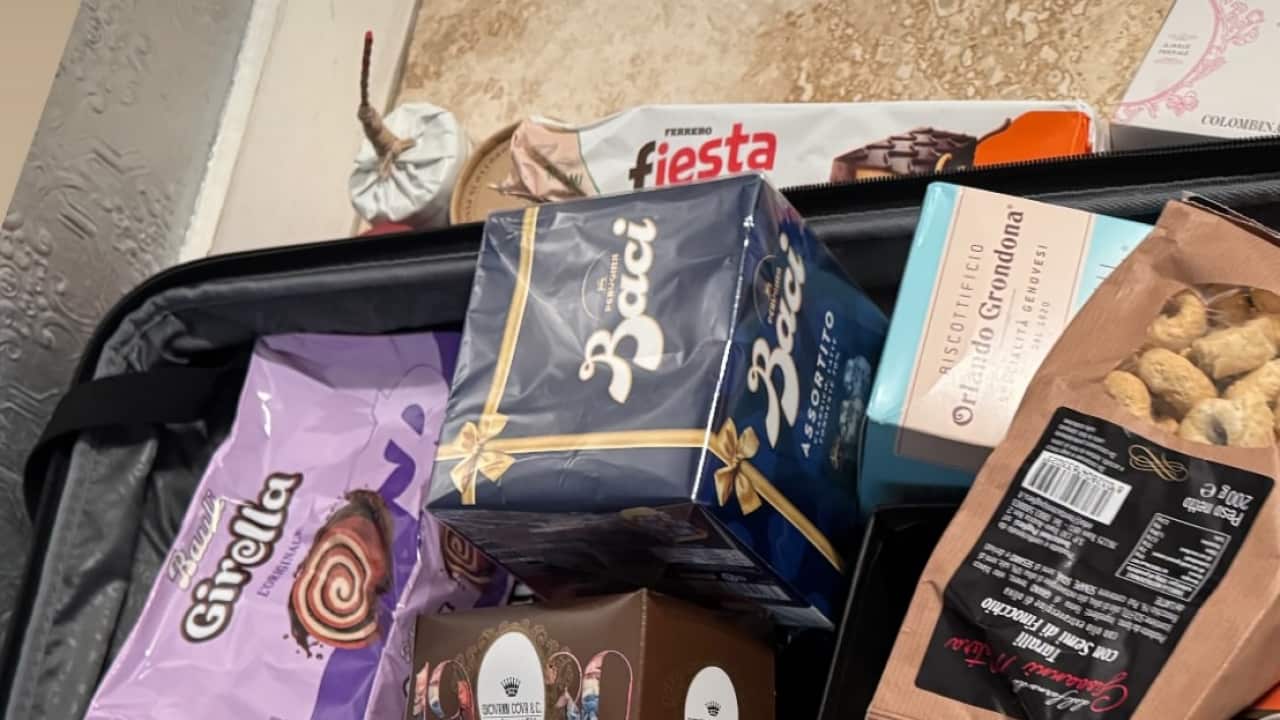
Italian expatriates and travelers returning to Australia frequently transport specific cultural goods—ranging from regional food specialties and cosmetics to home fixtures like bidets—to mitigate the lack of authentic Italian products in the Australian market. This phenomenon, often described as a physical manifestation of “longing for Italy,” involves packing items that are either prohibitively expensive to ship or unavailable in local Australian retail chains.
The practice highlights a persistent gap in the availability of authentic Italian regional products in the Southern Hemisphere. While Australia has a robust Italian-Australian community, travelers often find that specific artisanal brands, niche cosmetics, and specialized home hardware remain difficult to source locally. This leads to the “suitcase economy,” where personal luggage is used as a primary means of importing cultural comforts.
The Logistics of Cultural Longing: What Fills the Suitcase
Returning travelers prioritize items that evoke a sensory connection to Italy. According to reports on the Italian diaspora’s habits, the most common imports are regional flavors that are difficult to find in Australia. This includes specific varieties of cured meats, artisanal cheeses, and regional confectionery that do not have the export certifications required for commercial shipping to Australia.
Beyond food, clothing and cosmetics occupy significant space. Italian fashion and skincare brands often maintain different product lines for the European market than those exported globally. Travelers frequently purchase these items to avoid the high markups of luxury boutiques in Australian cities or to access brands that have no official distribution network in the region.
In some extreme cases, the desire for Italian standards of living extends to plumbing. The bidet, a standard fixture in Italian bathrooms, is not common in Australian residential construction. Some returning citizens have been known to pack portable bidet attachments or even small fixtures to replicate the hygiene standards they experience in Italy.
Navigating Australia’s Strict Biosecurity Laws
The attempt to bring Italian flavors back to Australia faces significant legal hurdles due to the Australian Department of Agriculture, Fisheries and Forestry‘s strict biosecurity regulations. Australia maintains some of the world’s most rigorous border controls to protect its unique ecosystem from pests and diseases.
Importing food items is a high-risk activity for travelers. Many Italian delicacies, particularly those containing meats or dairy, are subject to strict prohibitions or require specific declarations. Failure to declare these items upon arrival can lead to heavy fines or the immediate seizure and destruction of the goods by Australian Border Force officers.
The tension between the emotional desire to preserve cultural identity through food and the legal requirements of biosecurity creates a challenging environment for the “suitcase importer.” Travelers are required to list all food items on their Incoming Passenger Card, and any item deemed a risk to Australian agriculture is confiscated regardless of its cultural value.
The Socio-Economic Driver of the ‘Suitcase Economy’
The trend of filling suitcases with Italian goods is driven by more than just nostalgia; it is a response to market scarcity. While Italian supermarkets exist in major Australian hubs like Melbourne and Sydney, they often stock mass-produced export versions of products rather than the hyper-local, artisanal versions found in small Italian villages.

This creates a tiered system of consumption where those with the means to travel can access “authentic” goods, while others rely on commercial imports. The act of bringing these items back is often viewed as a way of maintaining a tangible link to one’s heritage or a specific period of life spent abroad.

Books and printed materials also feature prominently in these bags. Italian-language literature and specialized journals are often easier to acquire in Italy than through international shipping, which can be costly and slow. This ensures that the intellectual and linguistic connection to the homeland remains intact.
For those monitoring customs updates and biosecurity changes, the Australian Border Force provides current guidelines on what can and cannot be brought into the country, which serves as the primary checkpoint for anyone attempting to transport these cultural artifacts.
The next official update regarding biosecurity import changes is typically released via the Department of Agriculture’s quarterly regulatory reviews. Readers are encouraged to share their experiences with international customs and the items they prioritize when returning home in the comments below.
Keep reading