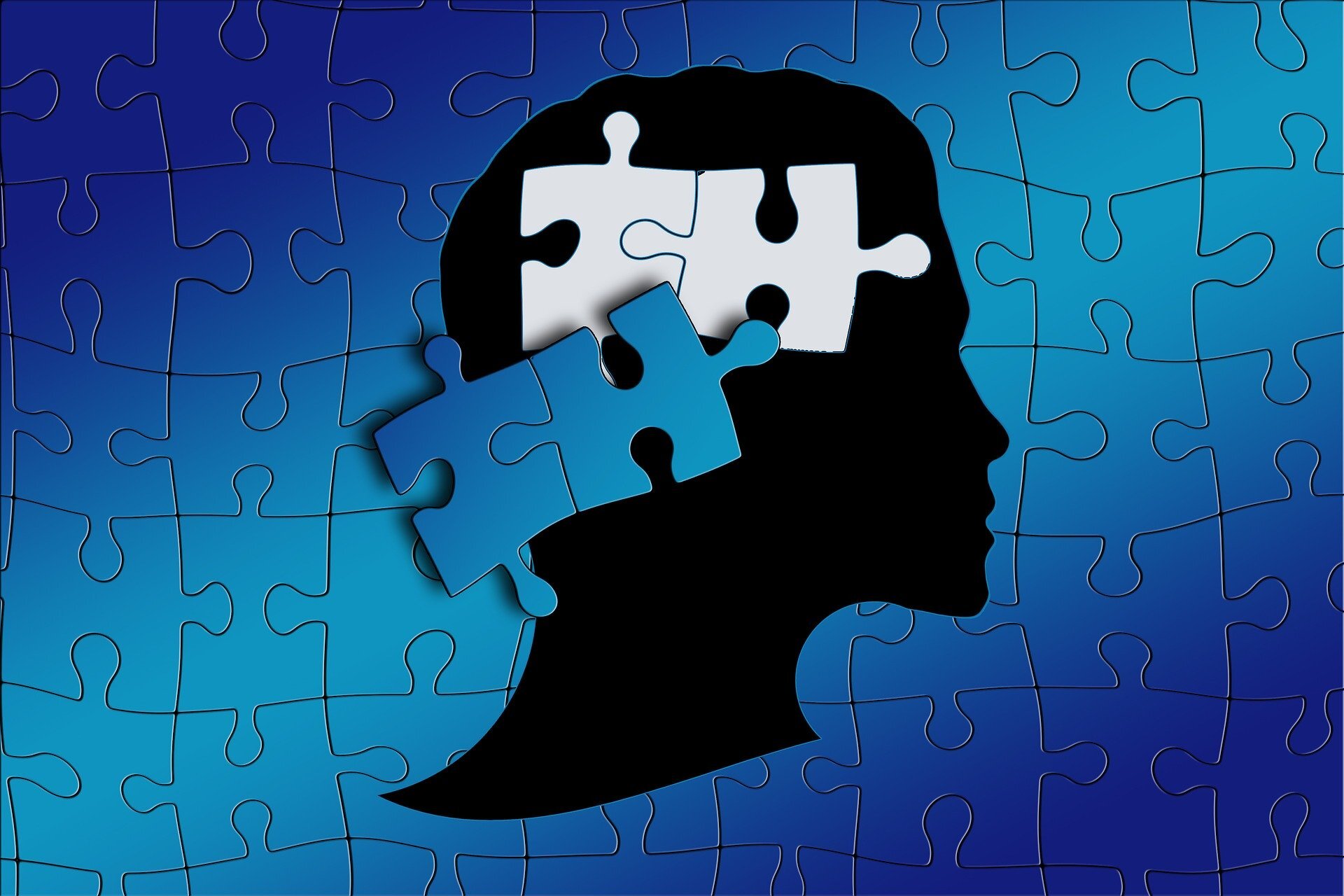
Artificial intelligence is rapidly transforming healthcare, and autism assessment is no exception. recent advancements have led to the development of AI models capable of providing remarkably accurate and, crucially, explainable insights to support clinicians in identifying autism spectrum disorder (ASD). This isn’t about replacing human expertise; itS about augmenting it with powerful tools.
Traditionally, autism diagnosis relies heavily on behavioral observations and subjective assessments. This process can be time-consuming, resource-intensive, and subject to variability between clinicians. Consequently, early and accurate diagnosis can be challenging, possibly delaying access to vital interventions.
Here’s where AI steps in. These new models analyze a range of data points – including behavioral patterns, eye-tracking data, and even subtle vocal cues – to identify indicators associated with ASD. Importantly, they don’t just provide a “yes” or “no” answer. They offer detailed explanations of why they arrived at a particular conclusion.
I’ve found that this explainability is a game-changer. Clinicians can review the AI’s reasoning, compare it to their own observations, and ultimately make more informed diagnostic decisions.It fosters trust and transparency in the process.
Several key benefits are emerging from this technology:
* Increased Accuracy: AI can detect subtle patterns that might be missed by the human eye, leading to more accurate diagnoses.
* Earlier Detection: Faster assessments mean earlier access to support services, which can significantly improve outcomes.
* Reduced Variability: AI provides a more consistent and standardized approach to assessment, minimizing discrepancies between clinicians.
* Enhanced Understanding: The explainable AI provides valuable insights into the specific behavioral markers contributing to the assessment.
Furthermore, these models are being designed to be adaptable and inclusive. They are trained on diverse datasets to ensure they perform accurately across different populations and cultural backgrounds. This is essential for equitable access to care.
You might be wondering about the practical implications for you or your family. If you have concerns about autism in yourself or a loved one, these AI-powered tools can potentially streamline the diagnostic process. They can provide clinicians with valuable data to support their evaluations.
Here’s what works best when considering an assessment:
- Consult with a qualified healthcare professional. AI is a tool to assist diagnosis, not replace it.
- Discuss the potential benefits and limitations of AI-assisted assessment. understand how the technology is being used and what it can offer.
- Ensure the assessment is comprehensive and considers all relevant factors. AI should be part of a holistic evaluation.
The future of autism assessment is undoubtedly intertwined with AI. As these models continue to evolve,they promise to empower clinicians,improve diagnostic accuracy,and ultimately,enhance the lives of individuals with autism and their families.
Keep reading