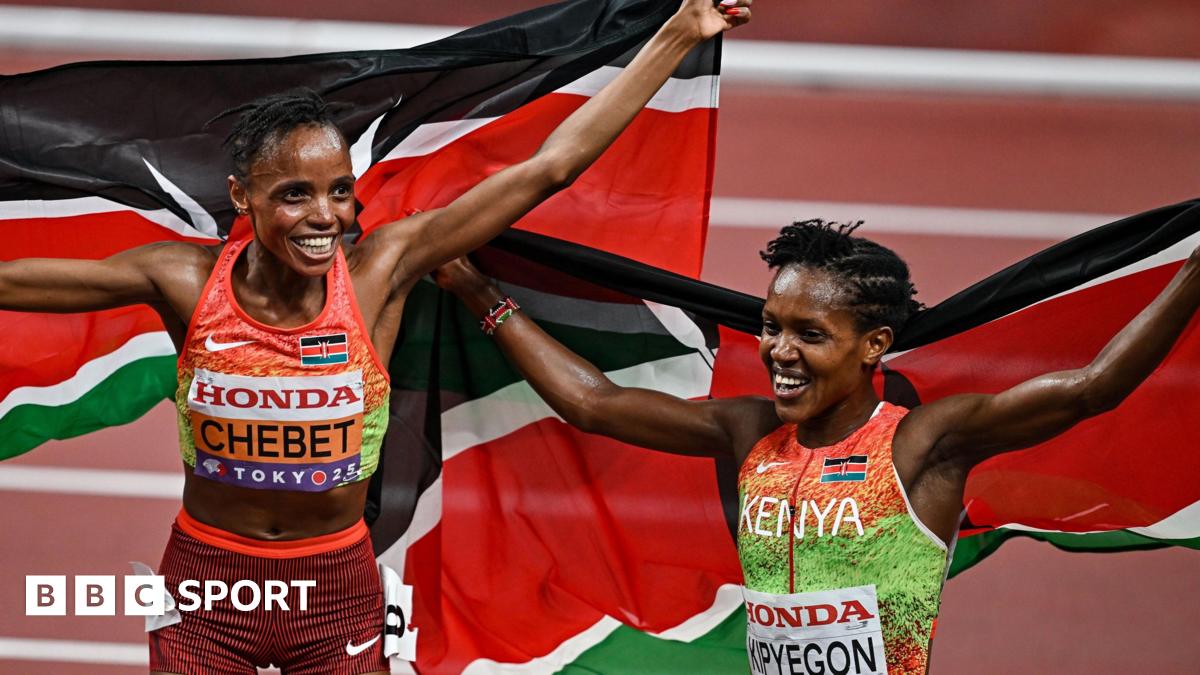
Kenya’s Golden Generation: How Motherhood is Redefining Athletic Excellence
Kenya has emerged as a dominant force in global athletics, especially celebrated for its remarkable female track stars. The nation secured a stunning second-place finish at the 2025 World Athletics Championships, trailing onyl the United States. This success wasn’t just about winning; it was how they won, with female athletes claiming six of Kenya’s seven gold medals.
They achieved complete dominance across a spectrum of distances, from the 800m too the marathon. This unprecedented sweep signals a new era for Kenyan athletics and challenges conventional notions of peak performance.
A Stunning Upset and a Championship Record
Lilian Odira‘s victory in the 800m on Sunday was a defining moment. She not only won gold but shattered her personal best by nearly two seconds.Furthermore, she obliterated a 42-year-old championship record, showcasing an unusual display of athleticism and determination.
What makes this triumph even more compelling is the personal story behind it. Odira, along with fellow champions faith Kipyegon (1500m) and peres Jepchirchir (marathon), are all mothers. Their success is rewriting the narrative of what’s possible for female athletes.
Balancing Motherhood and Athletic Prowess
Odira’s journey is particularly inspiring. She took a several-year hiatus from competition to start a family, welcoming two sons now aged four and two. Returning to the track in 2023, she demonstrated that motherhood isn’t a barrier to athletic achievement.
“That just [shows] that even when you are a mother you can still rule the world,” remarked Janeth Jepkosgei, a former world 800m champion. this sentiment resonates deeply,offering a powerful message of empowerment to aspiring athletes.
A Role Model for a New Generation
These athletes are more than just champions; they are role models. They demonstrate to young girls, particularly within the African context, that they can overcome societal expectations and achieve their dreams.
Jepkosgei emphasizes the importance of this shift, stating, ”This is a way of showing also the African girl, with our culture, that you can also challenge even when you have a baby.” Their accomplishments are inspiring a generation to redefine limits.
A Cultural Shift in Kenyan Athletics
The success of these mothers represents a profound cultural shift within Kenyan athletics. Historically, marriage and motherhood often signaled the end of an athlete’s career. Talented women were often lost to societal pressures and expectations.
Jepkosgei, an Olympic silver medalist herself, notes this change. “During our time, when someone gets married or have a baby, the career ends.” Now, however, these athletes are proving that it doesn’t have to be that way.
Redefining Societal norms
This new generation is actively challenging and changing societal norms. They are demonstrating that women can excel in both their personal and professional lives.
“We can change our societies, we can change our communities, we can change our culture,” Jepkosgei asserts. Their victories are not just athletic achievements; they are catalysts for broader social progress.
Kenya’s golden generation of female track stars is not only dominating the world stage but also inspiring a cultural revolution. Their success is a testament to their dedication, resilience, and the power of redefining expectations. You can expect to see continued success from Kenyan athletes as they pave the way for future generations.
Keep reading
- NBA Trade Deadline: Top Predictions and Rumors Ahead of the Final Countdown
- Eddie Howe Resigns from Newcastle: Shock Departure and Top Candidates for Replacement
- Inter Miami vs. Columbus Crew: Match Preview and Schedule (newsdirectory3.com)
- Tokyo Private Mochi Class & Ninja Dinner Show Experience (archyde.com)