Assessing NATO‘s Preparedness in the Face of Escalating Russian Provocations
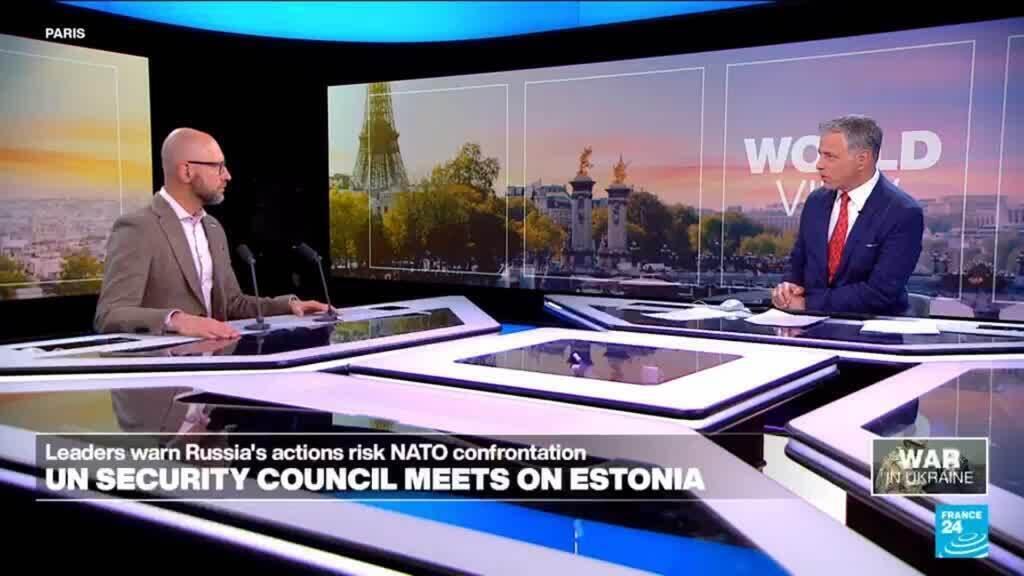
The geopolitical landscape has become increasingly fraught with tension as recent actions attributed to the Russian military are prompting a critical reevaluation of NATO’s capacity to effectively respond to potential acts of aggression. As of september 23, 2025, the alliance finds itself under scrutiny, with analysts and former political leaders voicing concerns about the strength of its deterrent posture. Thes concerns aren’t merely theoretical; they stem from a series of escalating events – including reported drone intrusions into Polish airspace, the interception of Estonian airspace by Russian fighter aircraft, and a resurgence of explicit nuclear rhetoric emanating from Moscow – that appear designed to probe the boundaries of NATO’s collective defence commitment.
This heightened state of alert coincides with a convening of Russia’s National Security Council,signaling a period of intense internal deliberation within the Kremlin. The implications of these concurrent developments are notable, demanding a nuanced understanding of the challenges facing NATO and the potential pathways for de-escalation. The core issue revolves around whether the current strategy of deterrence is sufficient to prevent further provocations, or if a more assertive approach is required to safeguard the security of member states.
Understanding the Nature of Recent Russian Actions
The incidents occurring in Poland and Estonia, while not constituting outright attacks, represent a deliberate pattern of behavior intended to test NATO’s response times and decision-making processes.These are not accidental occurrences; they are calculated risks taken by Putin to gauge the West’s willingness to defend its allies,
asserts Arseniy Yatsenyuk, who previously served as Ukraine’s Prime Minister. Yatsenyuk’s assessment highlights a critical point: these actions aren’t isolated incidents but rather components of a broader strategy aimed at undermining the alliance’s cohesion and resolve.
Recent data from the Council on Foreign Relations (September 2025) indicates a 35% increase in reported near-miss incidents involving Russian military aircraft and NATO member airspace over the past six months, compared to the same period in 2024. this statistic underscores the escalating frequency of these probing maneuvers. Moreover, the renewed emphasis on nuclear capabilities in Russian state media and official statements – referencing the potential deployment of tactical nuclear weapons – adds another layer of complexity to the situation.This rhetoric, while not new, is being amplified at a time when international arms control treaties are under strain, raising the specter of a renewed nuclear arms race.
The Deterrence Dilemma: Boldness, Unity, and Decisive Action
The effectiveness of NATO’s deterrence strategy hinges on its ability to project an image of unwavering commitment and capability.Though, the current situation reveals a potential vulnerability: a perceived hesitancy to respond forcefully to provocations that fall short of triggering Article 5. Yatsenyuk contends that deterrence will fail unless the West demonstrates real boldness, unity and decisive action.
This sentiment is echoed by several defense analysts who argue that a reactive, rather than proactive, approach risks emboldening Russia to escalate its actions further.
what constitutes “decisive action” remains a subject of debate. Options range from increased military deployments to NATO’s eastern flank,to the imposition of more stringent economic sanctions,to the provision of enhanced military aid to Ukraine. A key challenge lies in striking a balance between demonstrating resolve and avoiding actions that could be interpreted as escalatory by Russia. The recent RAND Corporation report (August 2025) suggests that a combination of enhanced forward presence, increased military exercises, and a clear articulation of red lines would be the most effective approach.
The Role of Ukraine and the Broader Geopolitical Context
The ongoing conflict in Ukraine is inextricably linked to the current tensions between Russia and NATO. russia’s actions in Ukraine have served as a testing ground for its military capabilities and a catalyst for the current crisis. The West’s response to the conflict – including the provision of military and economic aid to Ukraine – has been viewed by Russia as a direct challenge to its interests.
Moreover, the broader geopolitical context – including the rise of China, the instability in the Middle East, and the growing threat
Worth a look