The Shifting Sands of US Foreign Policy: Trump’s Approach to global Challenges
The international landscape is witnessing a notable recalibration of US foreign policy under the Trump administration. This shift encompasses a reevaluation of alliances, a more assertive stance on trade, adn a complex engagement wiht ongoing global conflicts.This article delves into the key facets of this evolving strategy, examining its implications for international relations and global stability.
A Retreat from Multilateralism?
A defining characteristic of the current administration is a perceived distancing from customary multilateral institutions, notably the United nations. the US has reduced its financial contributions to the UN and, until recently, operated without a fully appointed ambassador.
This move signals a desire for the UN to refocus on its core principles: maintaining peace, upholding national sovereignty, and promoting liberty. A State Department spokesperson recently articulated this expectation, calling for a return to these foundational objectives.
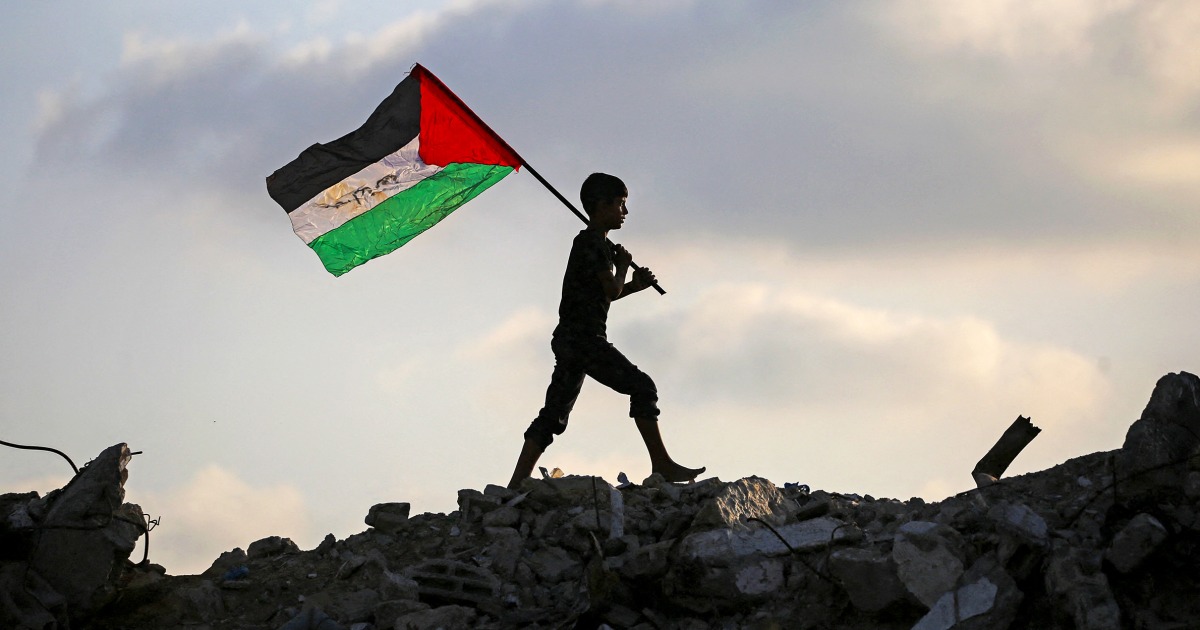
Though, this approach has created friction with key allies. The recent recognition of a Palestinian state by France, the UK, Canada, and Australia – a departure from the US position – exemplifies this divergence. The administration views this recognition as premature and potentially rewarding to Hamas,emphasizing the need for concrete action rather than symbolic gestures.
Trade as a tool of Leverage
beyond the UN, the Trump administration is wielding trade policy as a meaningful instrument of foreign policy. This includes:
* Pressuring Russia: Urging European leaders to impose considerable tariffs on India and China for continuing oil purchases from Russia, aiming to curtail funding for the war in Ukraine.
* Bilateral Tariffs: Implementing its own trade tariffs on India and introducing a $100,000 fee on new H-1B visas, impacting skilled worker mobility.
* Negotiating Trade Regimes: Engaging in complex negotiations with other nations regarding tariff structures.
These actions demonstrate a willingness to utilize economic leverage to achieve geopolitical objectives, even if it strains relationships with trading partners.
Navigating Ongoing Conflicts: Ukraine and Gaza
The administration faces the daunting task of resolving protracted conflicts in both Ukraine and Gaza. Despite pledges to end these conflicts, progress remains elusive. President Trump has publicly expressed frustration with Russian President Vladimir Putin, stating he “really let me down” following talks aimed at de-escalation.
The situation is further complicated by recent airspace violations by russia into NATO member states Estonia and Poland. Newly appointed US Ambassador to the UN, Michael Waltz, has issued a strong warning, demanding Russia demonstrate a commitment to de-escalation.
Nuclear Treaty Considerations
adding another layer of complexity, the US is currently evaluating an offer from Russia to extend the nuclear weapons treaty for one year before its expiration. This decision carries significant implications for global security and arms control.
Evergreen Insights: The Evolving Role of US Leadership
The current shifts in US foreign policy reflect a broader trend of evolving global leadership.Historically, the US has often championed multilateralism and free trade. Though, a growing emphasis on national interests and a willingness to challenge established norms are reshaping the international order.
This recalibration necessitates a nuanced understanding of the motivations driving these changes and their potential long-term consequences. The future of global stability may hinge on the ability of the US and its allies to navigate this new landscape effectively.
frequently Asked Questions
1. What is the US stance on recognizing a Palestinian state?
the US currently does not recognize a Palestinian state, viewing the timing as inappropriate and potentially detrimental to ongoing peace efforts.
2. How is the Trump administration using trade policy in its foreign relations?
The administration is utilizing trade tariffs and economic pressure as leverage to influence the behavior of other nations, particularly regarding Russia’s war in Ukraine.
3. What is the US response to Russian airspace violations near NATO countries?
The US has warned Russia to de-escalate and expects concrete steps to prevent further violations of NATO airspace.
4. What is the status of the nuclear weapons treaty with Russia?
The US is considering a Russian offer to extend the treaty for one year, a decision with significant implications for global security.
5. Is the US reducing its involvement with the United Nations?
The US has reduced its financial contributions to the UN and has advocated for the organization to refocus on its core principles of peace, sovereignty, and liberty.
6. What challenges does the Trump administration face in resolving the conflicts in Ukraine and Gaza?
Both conflicts are deeply entrenched,with no easy solutions. The administration’s efforts to mediate have so far yielded limited results.
**7. How does
Related reading