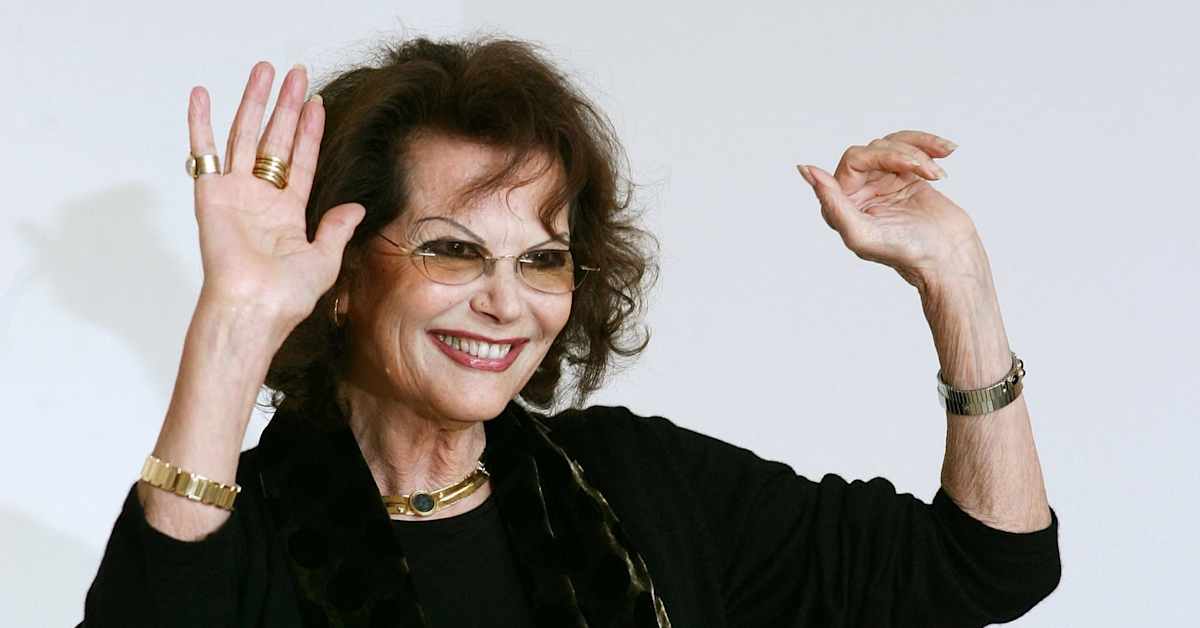
Claudia Cardinale, a luminous figure of Italian cinema’s golden age, has passed away at the age of 85. Her captivating presence graced over 170 films, leaving an indelible mark on the world of acting. but her journey to stardom was far from conventional, marked by both triumph adn profound personal hardship.
Born in Tunisia in 1938 to Sicilian parents, Cardinale initially spoke French, Arabic, and the Sicilian dialect of her parents. Italian was a language she learned as she entered the film industry. Consequently, her early roles required dubbing, a common practise at the time.
Though,everything changed with Federico Fellini‘s groundbreaking film 8 ½ in 1963. Fellini insisted Cardinale use her own voice, a pivotal moment that showcased her natural talent and distinctive vocal quality. This decision not only elevated her performance but also challenged industry norms.
Cardinale’s early career began under incredibly difficult circumstances. Encouraged by her father to explore acting, she found herself facing a horrific ordeal. A film producer sexually assaulted her, resulting in a pregnancy.
This traumatic experience unexpectedly shaped her path. Rather than retreating, Cardinale resolved to build a career in film to provide for her son, Patrick.”I did it for him, for Patrick,” she confided to Le Monde in 2017, revealing the driving force behind her determination.
Despite her initial reluctance, Cardinale blossomed into a cinematic icon. She possessed a rare combination of beauty,vulnerability,and strength that resonated with audiences worldwide. Here’s a glimpse into what made her so compelling:
* Versatility: She seamlessly transitioned between genres, excelling in dramas, comedies, and past epics.
* International Appeal: Her talent transcended borders, leading to collaborations with renowned directors from various countries.
* authenticity: Cardinale brought a genuine quality to her roles, making her characters relatable and memorable.
Throughout her decades-long career, Cardinale received numerous accolades, including honorary awards from the Venice and Berlin film festivals. She wasn’t just a performer; she was a cultural ambassador.
Beyond her artistic achievements, Cardinale was a passionate advocate for women’s rights. In 2000, she was appointed a UNESCO Goodwill Ambassador, dedicating herself to promoting equality and social justice. I’ve found that her commitment to these causes further solidified her status as a role model.
Cardinale’s legacy extends far beyond her filmography. She represents resilience, courage, and the power of using one’s voice to effect positive change. Her story serves as a reminder that even in the face of adversity, it’s possible to forge a path toward a fulfilling and impactful life.
Here’s what works best when remembering her impact: she wasn’t simply a star; she was a survivor,an activist,and a true artist who left an enduring mark on the world.Her contributions to cinema and her unwavering dedication to humanitarian causes will continue to inspire generations to come.