The $20 Billion Rural Health Fund: A Transparency Challenge
A new $20 billion fund aimed at bolstering rural healthcare is now available thru the Centers for Medicare & medicaid Services (CMS). While the potential impact is significant, a critical question looms: how obvious will the distribution and oversight of these funds actually be? Currently, the details surrounding transparency are notably absent from the legislation and initial Notice of Funding Opportunity (NOFO), raising concerns about accountability and effective resource allocation.
This article dives into the transparency gaps surrounding this vital fund, outlining what you should know as a stakeholder – whether you’re a healthcare provider, patient advocate, journalist, or simply a concerned citizen.
What’s at Stake: The Need for Transparency
The success of this fund hinges on ensuring resources reach the rural hospitals and communities that need them moast. Without clear visibility into how funds are allocated,it’s challenging to assess whether the program is achieving its goals. Specifically, you deserve to know:
* Which hospitals and entities are receiving funding?
* How much money are they receiving?
* What specific purposes will the funds support?
This data, ideally available before and after funds are disbursed, is crucial for understanding the fund’s effectiveness.Will resources prioritize hospitals serving as critical access points for patients, or will they disproportionately benefit wealthier facilities?
Current Transparency Gaps: What We Don’t Know
The reconciliation law and the NOFO are surprisingly silent on many key transparency aspects. Here’s a breakdown of what remains unclear:
* Public Disclosure of Recipients: Will states publicly list all recipients, funding amounts, and intended uses?
* State Application & report Access: Will state applications and progress reports – containing valuable details like rural health needs assessments, transformation plans, and evaluation metrics – be readily available online?
* Merit Review Committee: who are the members evaluating applications, and will their identities be disclosed?
* Plan Modifications: How will changes to state plans over time be communicated?
* CMS Rationale for Funding Decisions: What justification will CMS provide for reducing, recovering, or reallocating funds?
* Remediation Plans: What happens when states don’t comply with program requirements? Will remediation plans be made public?
CMS possesses broad discretion in continuing funding, based on criteria like whether continued support is “in the government’s best interest” and whether states are managing funds responsibly. However, the lack of defined transparency standards makes it difficult to hold states and CMS accountable.
Existing Avenues for Information (and Their Limitations)
While complete transparency isn’t currently mandated, some information may become available through:
* Federal Funding Accountability and Transparency Act (FFATA): CMS is required to publicly disclose the amount awarded to each state.
* Freedom of Information Act (FOIA) Requests: journalists and advocacy groups can submit FOIA requests to access specific information.
However, relying solely on these methods is reactive and can be time-consuming. Proactive, readily available information is essential for effective oversight.
What the Funds Can Be Used for (and How Allocation Works)
Understanding the permitted uses of the funds and the factors influencing allocation is also vital.Here’s a quick overview (see Appendix Tables 1 & 2 for more detail):
Permitted Uses Include:
* Improving healthcare infrastructure.
* Expanding access to behavioral health and substance use disorder services.
* Supporting telehealth initiatives.
* Investing in the healthcare workforce.
* Addressing health disparities.
Allocation Factors:
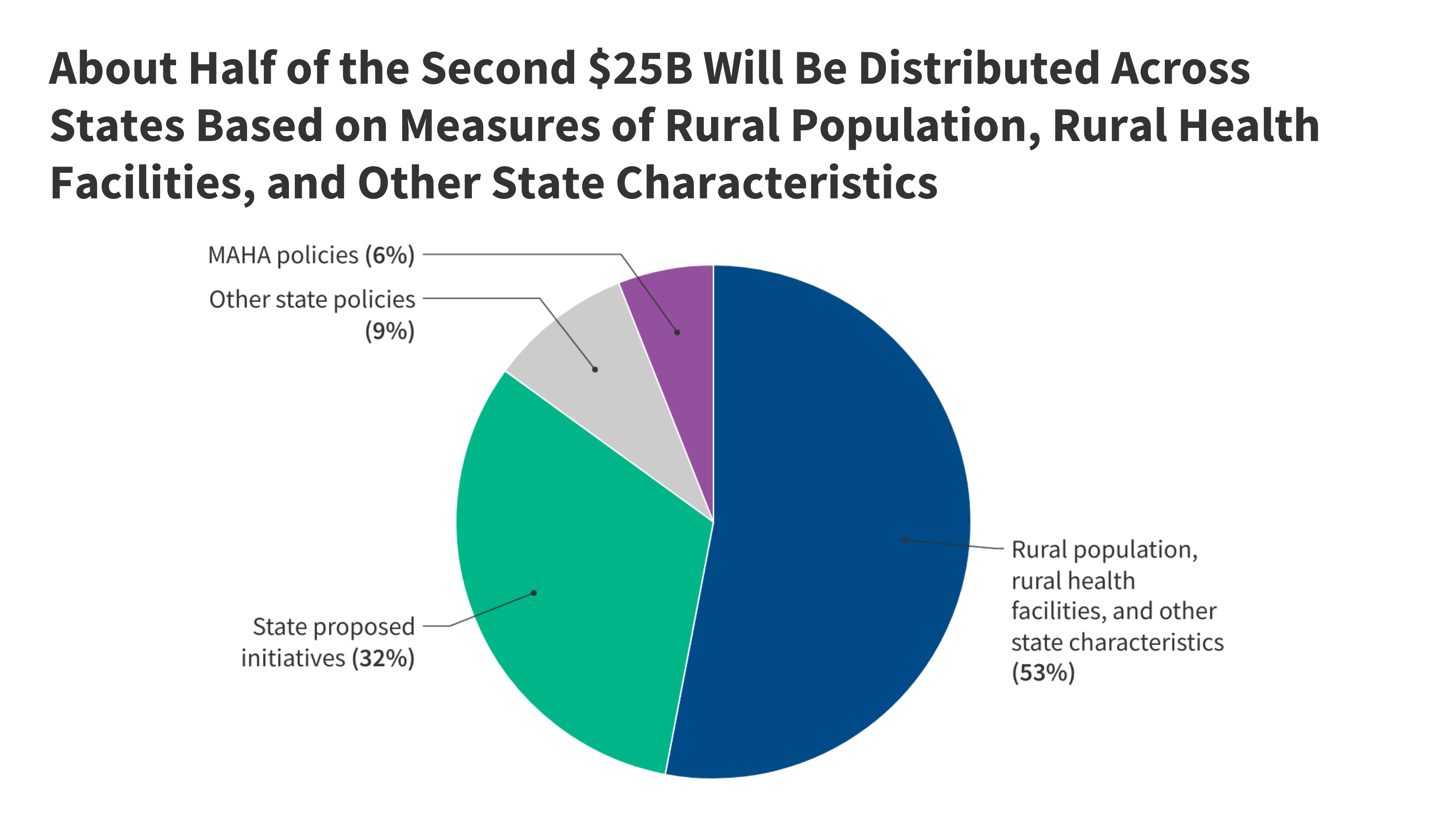
The initial $10 billion was allocated based on existing formulas.The remaining $10 billion will be distributed based on a merit review process, considering factors like:
* rural population size.
* Percentage of low-income residents.
* Hospital closure rates.
* Uninsured rates.
* Health outcomes.
Looking Ahead: advocating for Transparency
The lack of explicit transparency requirements is a significant concern. You can play a role in advocating for greater accountability by:
* Contacting your state representatives: urge them to prioritize transparency in the implementation of the rural health fund.
* Engaging with CMS: Submit comments and questions regarding transparency policies.
* Supporting investigative journalism: Encourage media outlets to scrutinize