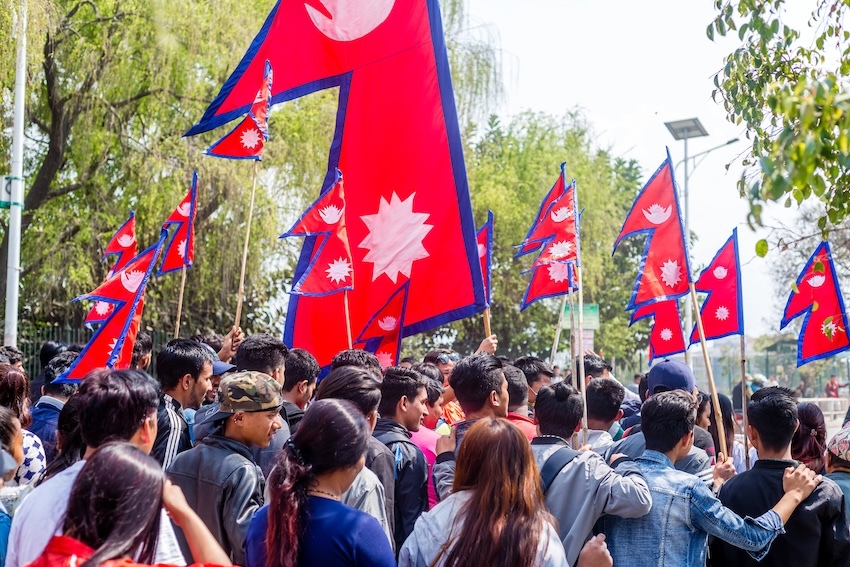
The rising Tide of Youth Discontent: Nepal’s Protests and a Global Warning
Nepal’s recent wave of Gen Z-led protests, while seemingly swift, represents a potent symptom of a global trend: the volatile intersection of youth demographics, economic hardship, and political frustration. this isn’t simply a Nepali story; it’s a stark warning for nations worldwide grappling with similar pressures. Let’s delve into the factors at play, drawing parallels from historical precedents and outlining what’s at stake.
Nepal’s Current Situation: A Pressure Cooker
Currently, nepal faces a significant unemployment challenge. Recent reports indicate a national unemployment rate of 11.3%, climbing perhaps even higher by year’s end. This burden disproportionately affects young people, with a staggering 22.7% unemployment rate among those aged 15-24.
Forecasts suggest a slight improvement in the coming years - around 10.7% in 2024, with projections between 10-12% for 2025. However, this remains persistently high, and is a central driver of the recent unrest. For you, understanding this economic reality is crucial to grasping the root causes of the protests.
The Youth Bulge: A Demographic Catalyst
The issue isn’t just about numbers, but about the composition of the population. A “youth bulge” – a large proportion of young people – can be a powerful engine for progress.But, as history demonstrates, it can also be a catalyst for instability. When combined with limited opportunities, this demographic pressure can quickly translate into widespread mobilization.
Historical Echoes: Lessons from Across the Globe
Several historical movements illustrate this dynamic. consider these examples:
* The Arab Spring (Early 2010s): Countries like Egypt, Tunisia, and Yemen experienced violent uprisings largely led by young people. Over half the population in these nations was under 25, fueled by unemployment and a lack of prospects. Youth acted as the driving force, organizing and sustaining protests.
* Sub-Saharan Africa (2024): Protests erupted across Nigeria, Kenya, Ghana, Uganda, and Mozambique, driven by anger over unemployment, corruption, and the rising cost of living. Young people were at the forefront of these movements.
* Bangladesh (August 2024): Nationwide violent riots led by students ultimately toppled the Hasina Regime, demonstrating the potent force of youth-led dissent.
These episodes reveal a critical pattern: population pressure alone isn’t enough to spark unrest. It’s the combination of a youth bulge with economic strain, unemployment, and a lack of political inclusion that creates a volatile habitat. The youth bulge acts as an accelerant, dramatically increasing the likelihood of protest when other stressors are present.
What This Means for Nepal – and Beyond
nepal now stands at a crossroads. Policymakers face a critical choice:
* the Path to Progress: If they address the generational urgency by creating jobs, tackling corruption, and restoring faith in democratic institutions, the youth bulge coudl become Nepal’s greatest asset.Investing in education, skills growth, and entrepreneurship is paramount.
* the Risk of Instability: Ignoring the needs and aspirations of its young people risks repeating the cycle of unrest. Nepal could become another example of a nation destabilized by unfulfilled potential.
For you, as a policymaker or observer, recognizing this dynamic is essential.
The Bigger Picture: A Global Warning
Nepal’s Gen Z revolution, though localized, carries lessons that resonate globally. The aftershocks will be felt across continents and generations. The world is experiencing a significant youth bulge, particularly in developing nations.
To avoid similar unrest, governments must prioritize:
* Economic Opportunity: Creating lasting jobs and fostering economic growth.
* Good Governance: Combating corruption and promoting openness.
* Political Inclusion: Ensuring young people have a voice in decision-making processes.
Ignoring these factors is not simply a political misstep; it’s a gamble with a nation’s future.
Source: [UNFPA](https://nepal.unfpa.org/en/publications/12th-national-population-and-housing-census-
Keep reading