Mounting Pressure on Russia: Calls for Energy Sanctions Intensify Amidst Escalating Conflict in Ukraine
The international community is ratcheting up pressure on Russia to halt its ongoing invasion of Ukraine, with a central focus on crippling the financial engine fueling the war: Russian oil. Recent diplomatic efforts, coupled with escalating battlefield realities, underscore the urgency of a more robust response. This article examines the latest developments, the calls for action, and the potential ramifications for the conflict and global security.
The Push to Cut Off RussiaS Oil Revenue
The core argument gaining traction is simple: Russia’s ability to wage war is directly tied to its revenue from oil sales. As President Zelenskyy implored during a recent U.N. Security Council session, stronger pressure – particularly from the United States – is vital. the message is clear: “Moscow fears America and always pays attention to it.”
This isn’t merely a Ukrainian plea. European Commission President Ursula von der Leyen affirmed Europe’s commitment to increasing sanctions and tariffs on Russia, alongside further reductions in energy imports. The call to “step it up” and sever ties with Russian oil is becoming a unified demand.
Why is cutting off Russian oil so critical?
* Financial Lifeline: oil revenue provides a notable portion of the Russian government’s budget, directly funding military operations.
* Strategic Weakening: Reducing Russia’s income weakens its capacity to sustain the war effort and rebuild its military.
* Moral Imperative: Continuing to purchase Russian oil is seen by many as indirectly supporting a regime responsible for widespread suffering and violations of international law.
Diplomatic Maneuvering and Shifting Alliances
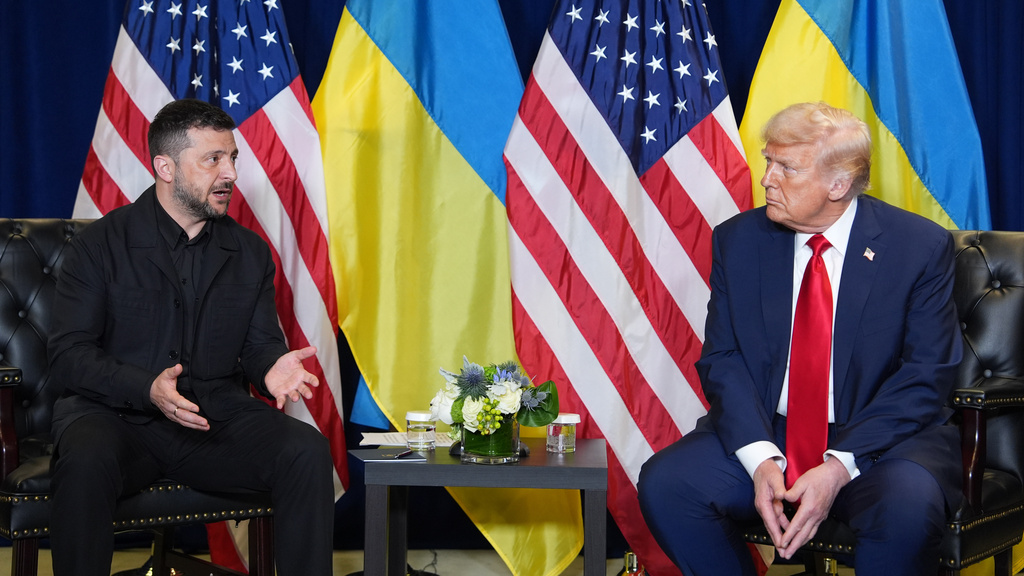
Zelenskyy’s diplomatic push, however, isn’t without complexities. His relationship with former President Trump has been strained, marked by past accusations – from the White House – that he bore some responsibility for the 2022 invasion. Despite this history, the Ukrainian leader is actively seeking support from all potential allies.
Russia,predictably,dismissed the U.N. Security Council meeting as a futile exercise, derisively referring to Zelenskyy as a “former actor.” Dmitry Polyanskiy, Russia’s deputy ambassador to the U.N., characterized the session as “shameful hypocrisy,” claiming it wouldn’t contribute to peace.
Despite Russian dismissals, European leaders are largely supportive of Zelenskyy’s efforts. There’s growing concern that the conflict could expand beyond Ukraine’s borders, fueled by what they describe as Russian provocations. French President Emmanuel Macron expressed confidence in Ukraine’s ability to “hold the course” and ultimately prevail, with U.S. support.
NATO on High Alert: Responding to Russian Aggression
The escalating tensions are prompting a heightened state of alert within NATO.
* Article 4 Consultations: Following reports of three Russian fighter jets entering Estonian airspace without authorization, NATO allies will hold formal consultations under Article 4 of the North Atlantic Treaty. This allows any ally to request consultations whenever, in the opinion of the requesting party, there is a threat to its security.
* Potential for Direct Response: Trump indicated he would support NATO countries shooting down intruding Russian planes, but cautioned that direct U.S. involvement would depend on the specific circumstances.
* Increased Vigilance: The incident underscores the need for increased vigilance and a unified response to Russian aggression along NATO’s eastern flank.
The Human Cost: A Growing Crisis
While diplomatic and military strategies unfold,the human cost of the war continues to mount. The full-scale invasion, launched in February 2022, has inflicted immense suffering on Ukrainian civilians.
Recent Developments:
* Drone Warfare: Russia claims to have intercepted dozens of Ukrainian drones targeting Moscow.
* Civilian Casualties: Ukraine reports that Russian missile and drone strikes have killed at least two civilians.
* Escalating Violence: The U.N. Office of the High Commissioner for Human Rights reports a 40% increase in Ukrainian civilian casualties in the first eight months of 2024 compared to the previous year.
* Systematic Abuse: A recent U.N. human Rights Office report details widespread and systematic torture, ill-treatment, and sexual violence against Ukrainian civilian detainees held in Russian-occupied
Keep reading