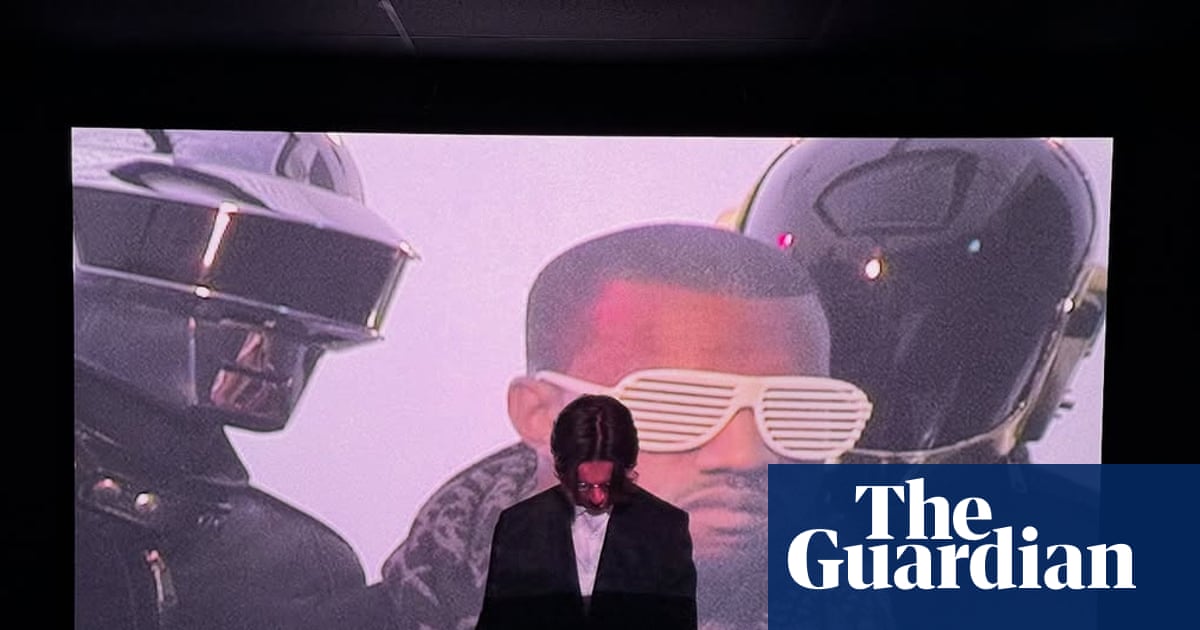
The Observer’s Dilemma: inside Nico Ballesteros‘s Intimate Documentary of Kanye West’s Descent
Nico Ballesteros’s documentary, In Whose Name, isn’t just a chronicle of Kanye West’s increasingly erratic behavior; it’s a profound exploration of fame, idolatry, and the ethical tightrope walked by those who document public figures in crisis. the film has sparked debate, particularly regarding ballesteros’s decision to continue filming even during moments of clear distress. But understanding his viewpoint reveals a commitment to journalistic integrity and a surprisingly compassionate aim.
A Fly on the Wall: The Ethics of Observational Filmmaking
One central question arises from the footage: should the camera have stopped rolling when West became visibly agitated with Kim Kardashian? Ballesteros firmly believes his role wasn’t to intervene. He explains that even as a young filmmaker, he understood the boundaries of journalistic objectivity.
Interjecting, he argues, would have crossed a crucial line. “My duty wasn’t to change the situation,but to observe and record it,” Ballesteros stated in a recent interview. Interestingly, west himself was reportedly respectful of Ballesteros’s needs, even if he disliked the camera being turned off, seemingly craving continued attention.
Maintaining Objectivity Amidst Controversy
Throughout the film, West makes deeply problematic statements, including a disturbing invocation of slavery without ancient context. Yet, Ballesteros insists he consistently prioritized ”journalistic integrity.” He consciously avoided injecting his personal opinions to prevent bias.
creating an ”objective observational documentary” was his initial intention, and he maintains West had no editorial control over the final cut, despite viewing a version together which Ballesteros described as “beautiful.” This dedication to neutrality is a cornerstone of his approach.
The Enablers: A Portrait of complicity
Perhaps the most striking aspect of In Whose name isn’t West’s descent, but the reactions – or lack thereof – from those around him.Ballesteros captured West in constant contact with a constellation of powerful figures: Elon Musk, Jacques Herzog, Donald Trump, Drake, Charlie Kirk, and Candace Owens.
Notably, these individuals largely offered obsequious deference, rarely challenging West’s ego.Swizz Beatz and a visibly heartbroken Michael Che (following the 2018 SNL meltdown) were exceptions. Chris Rock even predicted West’s MAGA hat defense would be remembered like sinéad O’Connor’s protest. This highlights a ”reality distortion field” fueled by fame and unwavering attention.
Beyond the Headlines: A Search for Empathy
The film’s title, with its religious connotations, prompts reflection on our collective interest and loyalty, even in the face of troubling behavior. However,ballesteros clarifies that In Whose Name is,at its core,”a film about idolatry.”
Ultimately, his goal wasn’t to condemn West, but to foster compassion. “A lot of those things that may have occurred throughout all those headlines… wasn’t the deepest part of who this human is,” he explained. He aimed to present a study of the individual, not the constructed “idol.”
What You Can Take Away From In Whose Name
* The Power of Observation: The film underscores the importance of documenting events without interference, even when ethically challenging.
* the Complicity of Influence: It reveals how powerful individuals can enable harmful behavior through deference and a desire for association.
* The Human Behind the Persona: In Whose Name encourages viewers to look beyond the headlines and consider the complexities of the individual.
* The Allure of Idolatry: It prompts a critical examination of our own fascination with celebrity and the potential for blind loyalty.
In Whose Name isn’t a cozy watch, but it’s a vital one. It’s a film that demands you consider not only the subject,but also the responsibility of the observer,and your own role in the cycle of fame and scrutiny. It’s a testament to the power of documentary filmmaking to provoke thought, challenge assumptions, and ultimately, invite empathy.