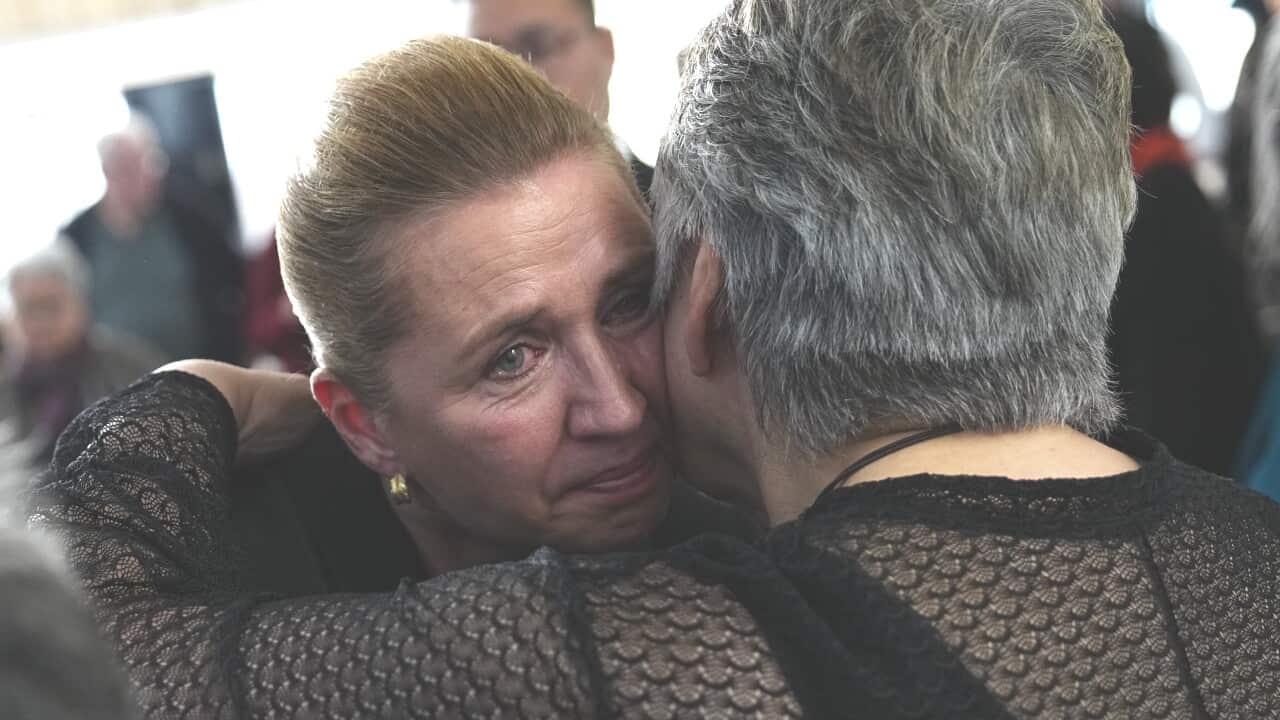
Denmark Apologizes for Decades-Long Forced IUD Program in Greenland
For decades, a dark secret lingered between Denmark and greenland – a systematic, involuntary birth control program targeting Greenlandic women and girls, some as young as 12. Recently, Denmark’s Prime Minister Mette Frederiksen delivered a long-awaited apology in Nuuk, Greenland’s capital, acknowledging the profound harm inflicted by this policy and marking a crucial step towards reconciliation. This isn’t simply a ancient correction; it’s a reckoning with a deeply unethical practice that has left lasting physical and psychological scars on generations of Greenlandic women and strained the relationship between the two nations.
A Disturbing History: The Scope of the Program
Between 1966 and 1991 – the year Greenland assumed control of its healthcare system - Danish authorities implemented a program aimed at reducing the birth rate among the Inuit population. The method was chillingly direct: the forced fitting of intrauterine devices (IUDs). Investigations now reveal that approximately 4,500 women were subjected to this procedure without their knowledge or consent. By the end of 1970 alone,roughly half of all Greenlandic women of childbearing age had been fitted with an IUD.
The rationale behind the program, while never explicitly stated as a policy of forced sterilization, stemmed from concerns about the economic burden of a growing population and a desire to assimilate the Inuit population. This paternalistic and ultimately coercive approach disregarded fundamental human rights and inflicted immense suffering.
The Human Cost: Beyond Physical Harm
The consequences for the women affected have been devastating. Many reported experiencing debilitating abdominal pain, severe infections, and long-term reproductive health issues. Tragically, numerous women have been unable to conceive even after IUD removal, leaving a legacy of grief and lost potential.
However, the damage extends far beyond the physical. the violation of bodily autonomy and the lack of informed consent have resulted in deep-seated trauma, feelings of betrayal, and a profound loss of trust in the healthcare system. The emotional wounds are still raw for many, and the apology, while significant, is only the beginning of a long healing process.
“Receiving an apology does not mean that we accept what has happened. We are here today because we do not accept what has happened,” stated Greenland’s Prime Minister Jens-Frederik Nielsen, echoing the sentiments of many who view the apology as a necessary acknowledgement, but not a complete resolution.
A Turning Point in Denmark-greenland Relations
Prime Minister Frederiksen’s apology, delivered with visible sincerity, represents a pivotal moment in the complex relationship between denmark and Greenland. She emphasized that the apology wasn’t solely about the past, but about building a future founded on mutual respect and trust.
“I don’t believe we can achieve the more equal and proper relationship that many of us desire unless we dare opening even the darkest chapters,” Frederiksen stated. This acknowledgement comes at a critical time,notably in light of recent geopolitical shifts,including increased interest in Greenland’s strategic importance and resource wealth.
The Path Forward: Healing and Accountability
Naja Lyberth, leader of a group seeking legal compensation for the victims, expressed gratitude for the apology, recognizing its potential to create space for collective healing. “The state has now emphasised that we are equal souls within the Danish realm,” she said, highlighting the symbolic importance of the moment. Lyberth herself was fitted with an IUD at the age of 14.
While the apology is a crucial first step, further action is needed. Ongoing investigations are essential to fully understand the extent of the program and identify all those affected.Addressing the long-term healthcare needs of the survivors, providing adequate psychological support, and considering appropriate forms of reparations are all vital components of a comprehensive response.
This incident serves as a stark reminder of the ethical responsibilities inherent in healthcare and the importance of upholding bodily autonomy and informed consent. The story of the forced IUD program in Greenland is a painful chapter in history, but one that must be acknowledged and learned from to prevent similar injustices from occurring in the future. The journey towards true reconciliation will be long and challenging, but the recent apology offers a glimmer of hope for a more equitable and respectful relationship between Denmark and Greenland.