Hungary Faces Mounting Pressure to Abandon Russian Oil, Navigating Economic Realities and Geopolitical Shifts
hungary is finding itself at a critical juncture, caught between escalating international pressure to curtail Russian energy imports and the potential economic consequences for its own citizens. Recent developments highlight a complex interplay of geopolitical strategy,economic self-interest,and the delicate balance required to navigate a shifting global landscape.
A Conversation Between Leaders
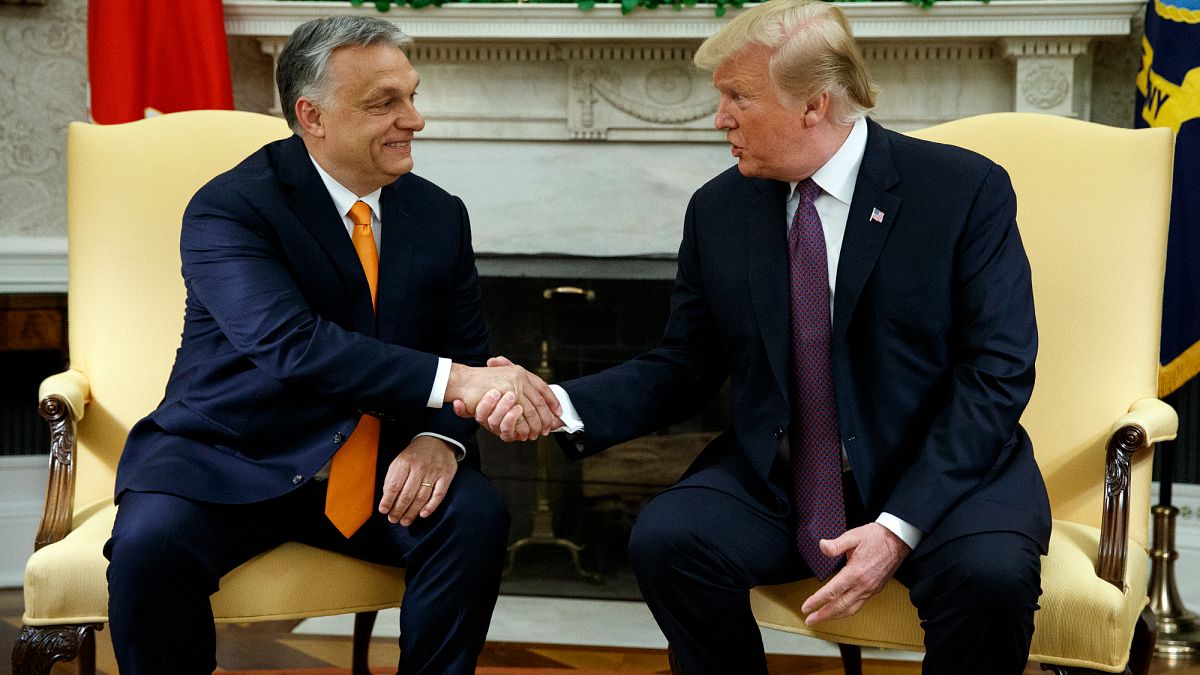
The Prime Minister recently engaged in discussions with former President Donald Trump, covering a broad range of issues.These included the ongoing war, prospects for peace, the global economic outlook, the impact of tariffs, and crucially, the security of Central European energy supplies. This conversation occurred shortly after Trump publicly called for all NATO allies to cease oil imports from Russia, aiming to weaken Moscow’s war economy.
Trump indicated a willingness to discuss the matter directly with Prime Minister Orbán,noting their longstanding friendly relationship. He expressed confidence that Orbán might reconsider current energy policies if approached.
Hungary’s Position and Concerns
Hungary’s cabinet minister, Gergely Gulyás, revealed that the Prime Minister conveyed Hungary’s unique circumstances to the former president. He emphasized the factors influencing rational decision-making in the country’s interest, particularly the need to maintain affordable utility costs for Hungarian households.According to Gulyás, the former President demonstrated understanding of these considerations.
Currently, hungary faces limitations in diversifying its oil supply. The Adria pipeline, which connects Hungary to Croatia, has restricted capacity, presenting a logistical challenge.
Growing International Pressure
Beyond the United States, the European Union is also intensifying its efforts to reduce reliance on Russian energy.The EU previously established a roadmap to eliminate all Russian fossil fuel purchases by the end of 2027. However, in response to recent geopolitical developments, Brussels is considering accelerating this timeline.
A new sanctions package, if approved, could bring the end of Russian liquefied natural gas (LNG) imports forward to January 1, 2027 – a year earlier than initially planned. Furthermore, the Commission is exploring the imposition of tariffs on Russian fossil fuels.
The Role of MOL and Potential Alternatives
Despite the challenges, Hungarian energy expert Attila holoda believes Hungary possesses the capacity and option routes to replace Russian Ural oil.However,he suggests that the primary obstacle lies with Hungary’s national oil and gas company,MOL.
Holoda contends that MOL cites technical difficulties as a means of protecting its profitability. Shifting away from russian oil could potentially impact the company’s financial performance, leading to resistance to change.
What This Means for You
This situation has notable implications for you, the Hungarian citizen. You may experience:
* Potential increases in energy costs: Diversifying away from cheaper Russian oil could lead to higher prices at the pump and for home heating.
* Economic adjustments: Changes in the energy sector could ripple through the Hungarian economy, impacting various industries.
* Geopolitical considerations: Hungary’s energy policy is now firmly intertwined with broader international relations and security concerns.
Navigating a Complex Future
Hungary’s position is undeniably complex. Balancing economic realities with geopolitical pressures requires careful consideration and strategic decision-making. The coming months will be crucial as hungary navigates this evolving landscape, seeking to secure its energy future while upholding its national interests.It’s a situation demanding transparency, open dialog, and a commitment to finding solutions that benefit all Hungarians.
- Australia vs Italy Rugby Match Live on Vibrez Rugby – Live Score & Commentary
- Middle East Conflict: Iran Escalates Attacks Across Jordan, Kuwait, and the Gulf Region
- Trump Calls 2026 World Cup the Biggest Sporting Event Ever (world-today-news.com)
- Trump Administration Says 250K Non-Citizens Registered to Vote in 4 States (time.news)