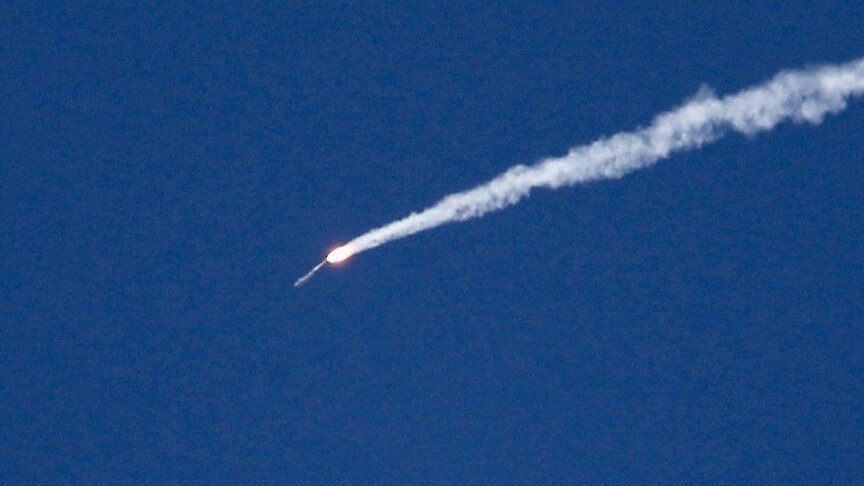
Jordanian military forces intercepted and downed four unmanned aerial vehicles (UAVs) over the past 24 hours, amid escalating regional tensions across the Middle East. The incidents occurred as multiple nations in the Persian Gulf, including Kuwait, Bahrain, and Qatar, reported recent security breaches and attacks on critical infrastructure, fueling concerns over a widening cycle of regional instability.
The interceptions in Jordan come at a time of heightened military activity. While Jordanian authorities have maintained a stance of protecting national sovereignty, the regional landscape has been characterized by conflicting claims and defensive posturing. Iranian state-affiliated media and officials have recently asserted that their military operations have successfully targeted foreign assets, specifically claiming the destruction of several American-operated aerial vehicles within Jordanian territory.
Regional Security and Infrastructure Attacks
The security environment in the Gulf region has deteriorated rapidly following a series of reported attacks on essential infrastructure. Kuwaiti authorities have publicly condemned what they termed a “criminal” act of aggression, following reports that secondary desalination plants—vital for the nation’s water supply—were targeted in recent operations. According to reports from regional security observers and local state media, the attacks have prompted emergency protocols across multiple Gulf states.

The strategic importance of these desalination facilities cannot be overstated. Kuwait’s government has signaled that it reserves the right to respond to these provocations, though the nature of any potential counter-measures remains subject to ongoing diplomatic consultation.
Diplomatic Maneuvers and the Lebanese Response
Amid the military developments, diplomatic channels remain active. Lebanese officials have confirmed that Joseph Aoun, the Lebanese president, is currently traveling to Washington for high-level security consultations.

The diplomatic focus remains on preventing further escalation. While nations like Bahrain and Qatar have issued statements confirming they have faced recent security challenges, the collective response from regional bodies has been one of urgent de-escalation.
Contextualizing the Aerial Threats
However, the discrepancy between Iranian claims of destroying U.S. assets and the lack of confirmation from Western or Jordanian sources highlights the “information war” that often accompanies kinetic operations. In the absence of transparent, third-party verification, the narrative remains fragmented. For residents and stakeholders in the region, the immediate priority remains the security of critical infrastructure and the prevention of further civilian impact.
We invite our readers to share their perspectives on these regional developments in the comments section below.
Worth a look