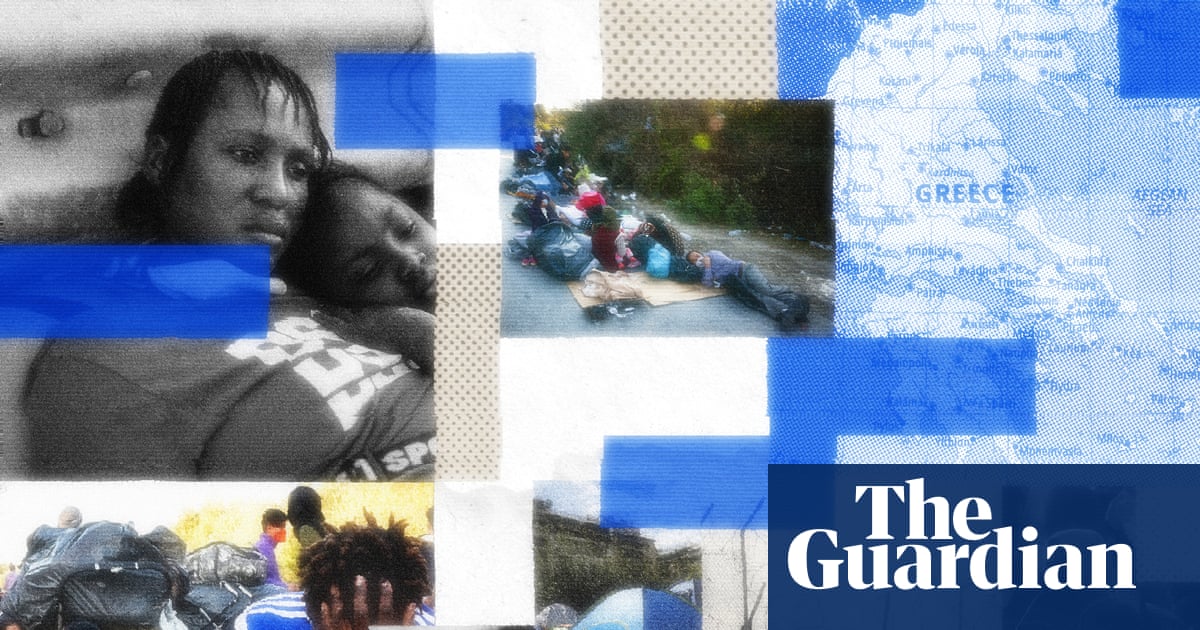
The Fragile Foundation: How Funding cuts Threaten trauma Support for Vulnerable Women in Greece
The stories emerging from Greece paint a stark picture: vital support systems for women escaping violence are crumbling. Years of painstakingly built trust, crucial for healing and recovery, are being eroded by dwindling resources. This isn’t just about losing services; it’s about pushing already vulnerable individuals back into a state of constant threat and survival mode.
For women who have experienced sexual violence, trust doesn’t come easily. Even after escaping horrific circumstances, the process of rebuilding a life is incredibly delicate. What’s being constructed is fragile, easily shattered by renewed instability.
Recently, a shelter closure served as a painful illustration of this reality. Évodie, a woman who had begun to find safety and support, found herself reverting to a mindset where everyone is perceived as a potential aggressor. This reaction, unfortunately, is becoming increasingly common.
A Shift in needs: From Healing to Basic Survival
The current crisis isn’t simply a matter of reduced services; it’s a fundamental shift in the type of support needed.As funding disappears, the focus is rapidly moving away from long-term psychological healing and towards immediate, practical needs.
Here’s what’s happening on the ground:
* Psychological requests are decreasing. Women are less able to focus on processing trauma when their basic safety is at risk.
* Urgent, practical needs are surging. This includes securing shelter, food, and essential resources.
* “Primal” requests are becoming dominant. We’re seeing a return to the moast fundamental needs – safety,shelter,and sustenance.
This shift is deeply concerning. It signifies a regression, forcing organizations to prioritize survival over recovery. It’s a heartbreaking setback for women who have already endured so much.
The Ripple Effect: A Network Under Strain
The impact of these funding cuts extends far beyond a single shelter. The entire Greek humanitarian network is facing an existential threat. No program will remain untouched.
Consider this:
* Vertical impact: Large, national organizations are affected.
* Horizontal impact: Smaller, community-based groups are struggling.
* Diagonal impact: Collaboration and coordination between organizations are becoming increasingly difficult.
Essentially, the entire system is being destabilized. This creates a dangerous situation, leaving countless women with nowhere to turn.
Why Trust is So Critical – and So Easily Lost
You might wonder why building trust is so central to this work. For survivors of trauma, establishing a safe and reliable connection with support workers is paramount. It’s the foundation upon which healing can begin.
Think about it: if you’ve been repeatedly betrayed and harmed, how easily would you open up to someone offering help? It takes time, patience, and consistent support to rebuild that sense of safety.
When services are disrupted, that trust is broken. It sends a message that help isn’t reliable, reinforcing the belief that the world is a dangerous place. This can have devastating consequences, pushing women further into isolation and despair.
The Future is Uncertain
The situation is undeniably precarious. Without sustained funding, the progress made in supporting vulnerable women in Greece is at risk of being wholly undone. It’s a sobering reminder that humanitarian work isn’t just about providing immediate aid; it’s about investing in long-term healing and empowerment.
The consequences of inaction are clear: a return to a state of constant crisis, where survival trumps recovery, and the fragile foundation of trust is shattered.