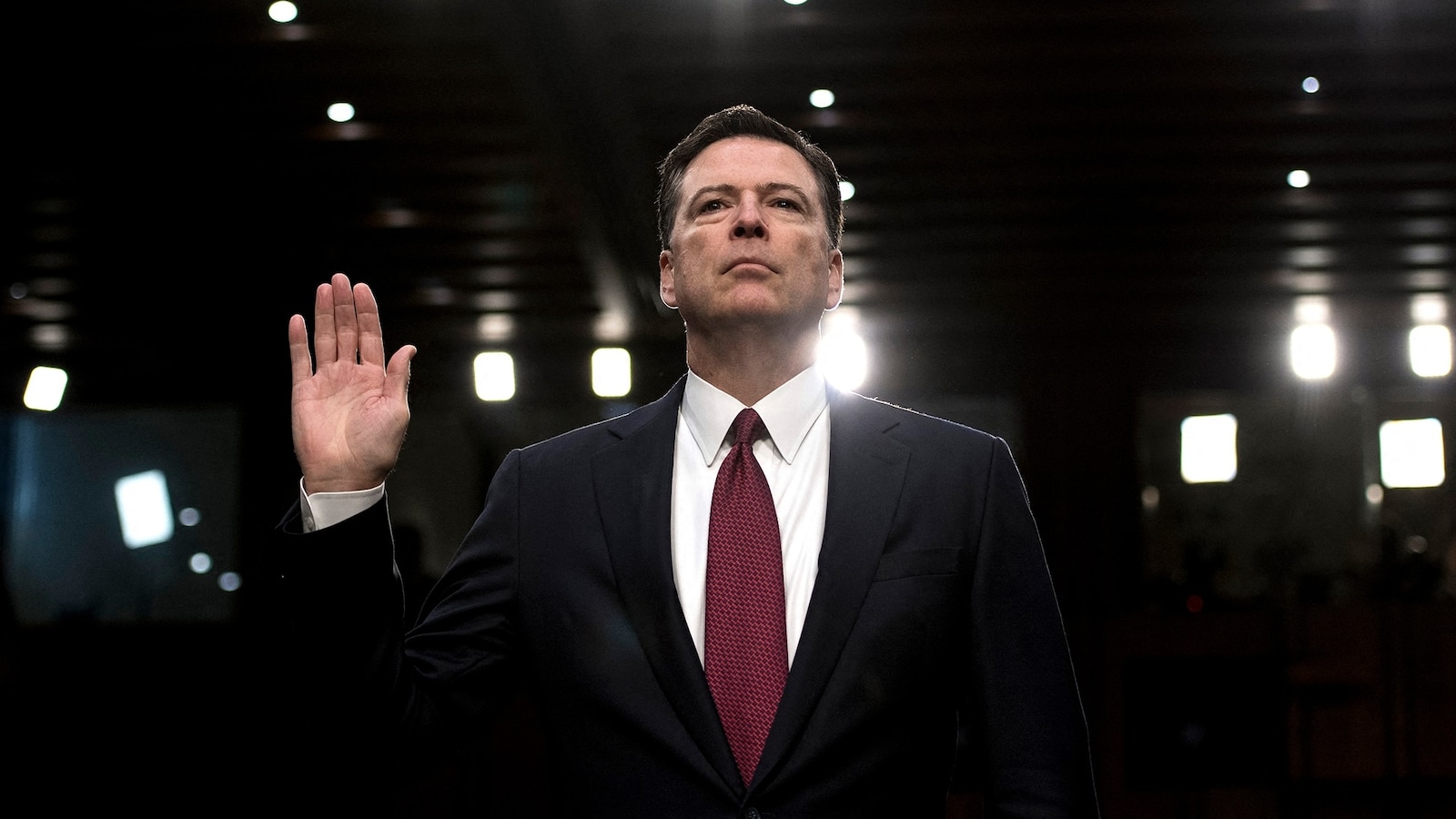
Comey and McCabe: A Clash of Accounts on Leaks to the Press
The question of leaks from within the FBI during a politically charged period has resurfaced, centering on conflicting accounts from former Director James Comey and his former Deputy, andrew McCabe.A recent exchange highlighted a direct contradiction regarding whether Comey authorized the sharing of information with the media.understanding the nuances of this situation requires a careful examination of the testimony and the roles of key individuals involved.
Senator Ted Cruz directly challenged Comey, pointing out the disparity between McCabe’s statements and Comey’s previous testimony before the committee. Cruz asserted that one of them must be inaccurate, demanding clarity on who was being truthful. Comey, though, remained steadfast in his original statements.
Comey’s Position: Maintaining His Testimony
Comey consistently maintained that he stood by his May 2017 testimony. He declined to directly comment on the veracity of McCabe’s claims,choosing rather to reaffirm his own account. Specifically, when pressed on whether he had ever authorized a leak, Comey avoided directly discrediting McCabe, but reiterated his own position.
this careful wording allowed Comey to avoid directly accusing a former colleague of dishonesty while simultaneously upholding his own narrative. It’s a tactic often employed in high-stakes situations where reputations and legal implications are at play.
The Role of Daniel Richman: An Outsider with Access
Central to the debate is the involvement of Daniel Richman, a close friend of Comey’s who served as a Special Government Employee at the FBI during Comey’s final two years. richman’s role wasn’t as a traditional FBI employee, but he frequently worked “on-site” at the bureau, focusing on issues related to encrypted communications.
You might be wondering why an outside individual had such access. Richman’s expertise was sought after in navigating the complex landscape of lawful access to encrypted data, a critical concern for national security.
Comey’s Admission: Sharing Memos with richman
Comey publicly acknowledged providing Richman with memos detailing his conversations with then-President Donald Trump. He further admitted to asking Richman to share information from those memos with a New York times reporter. This admission is a key point of contention, as it directly relates to the question of authorized leaks.
However, Comey and Richman both maintained that the information shared was not classified. Richman, in statements to federal investigators, explained his actions as an attempt to disseminate information he believed was ”of enormous national importance.” He believed he was acting within ethical boundaries by sharing unclassified, unprivileged details.
Key Takeaways & What This Means for You
* Conflicting Accounts: The core issue remains the disagreement between Comey and McCabe regarding authorization of leaks.
* Richman’s Unique position: Richman’s role as an outside consultant with important access raises questions about the boundaries of information sharing.
* Unclassified vs. Unauthorized: The debate hinges on whether the information shared was classified,and whether even unclassified information was properly disseminated.
* Trust and Transparency: This situation underscores the importance of trust and transparency within government institutions, particularly during times of political sensitivity.
Ultimately, the question of who is telling the truth remains a subject of debate. This case serves as a reminder of the complexities surrounding information control, the pressures faced by those in positions of power, and the lasting consequences of leaks to the press. It’s a situation that continues to fuel discussion about accountability and the integrity of the FBI.
Related reading