Verstappen Ventures Beyond Formula 1: A Growing Trend and Championship Implications
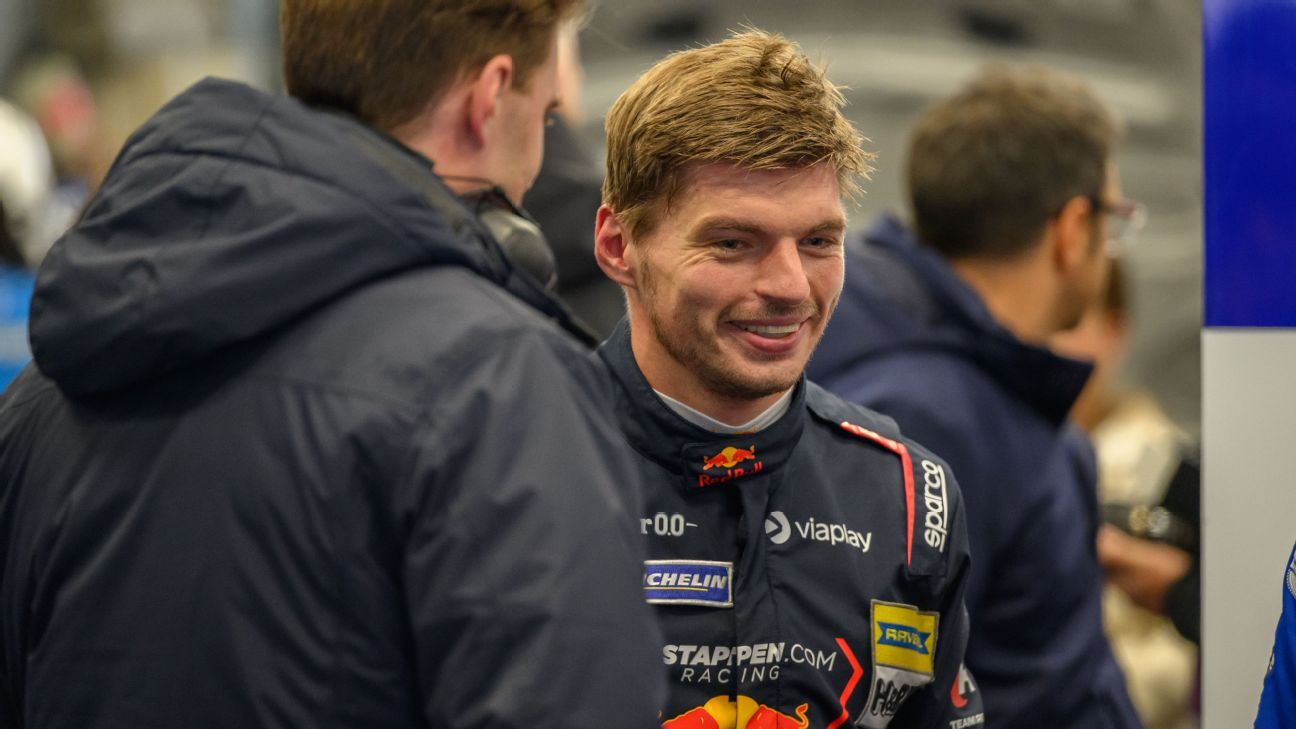
Max Verstappen, the dominant force in Formula 1, recently traded the familiar circuits of the Grand Prix for the notorious nordschleife – and secured a race win.This foray outside of F1 signals a growing desire for diverse racing experiences, and perhaps, a strategic shift in how his future in the sport is managed.
The Nordschleife, a legendary and unforgiving track in Germany, holds a critically importent place in motorsport history.It previously hosted the German Grand Prix and is tragically remembered as the site of Niki Lauda’s harrowing crash in 1976. It’s a circuit that demands respect and showcases a driver’s raw skill.
A Desire for More than Just F1
verstappen’s interest in racing beyond Formula 1 isn’t new, but it’s gaining momentum. Red Bull, his team, recognizes this and is exploring ways to accommodate his ambitions.
* They believe allowing Verstappen to participate in other racing events could be key to his long-term commitment to F1.
* This approach acknowledges the need for drivers to pursue passions outside the intense F1 calendar.
He has openly expressed a desire to tackle the iconic 24 Hours of Le Mans, further illustrating his broadening racing horizons.
Championship Standing and Future Outlook
Currently, Verstappen faces a points gap in the F1 driver standings. He trails Lando Norris by 44 points and Oscar Piastri, the current leader, by 69. Despite this, McLaren boss Andrea Stella insists Verstappen remains a serious contender for the championship.
The Azerbaijan Grand Prix highlighted the competitive landscape, and the season is far from decided. You can be sure Verstappen will be pushing to close the gap.
This willingness to explore other racing disciplines raises captivating questions about the future of top F1 drivers. Will we see a trend of champions diversifying their racing portfolios? It’s a possibility that could reshape the sport.
Ultimately, Verstappen’s decision to race outside of F1 isn’t just about personal fulfillment. It’s a signal that drivers are increasingly seeking control over their careers and a balance between the demands of a championship season and the pursuit of other racing passions. It’s a fascinating development that could have lasting implications for Formula 1 and motorsport as a whole.
Keep reading