Conquer Any Staircase: A Guide to Building Strength and Resilience
Struggling with stairs? You’re not alone. Many people find stair climbing becomes more challenging with age or after periods of inactivity. Fortunately, regaining your strength and stamina is achievable with a focused approach.
Let’s explore how you can build the power and endurance to tackle any staircase with confidence.
Why Stair Climbing Gets Tougher
Several factors contribute to difficulty with stairs. These include decreased lower body strength, reduced cardiovascular fitness, and limited mobility. However, these are all areas you can actively improve.
The good news is your body is remarkably adaptable. You can see notable improvements in just days to weeks with consistent effort.
Strength Training: The Foundation for Success
Building a strong lower body is paramount. Here’s a breakdown of effective exercises:
* Squats: These work your quads,hamstrings,and glutes – the primary muscles used for stair climbing.
* Lunges: Excellent for building unilateral (one-sided) strength, crucial for the alternating motion of stairs.
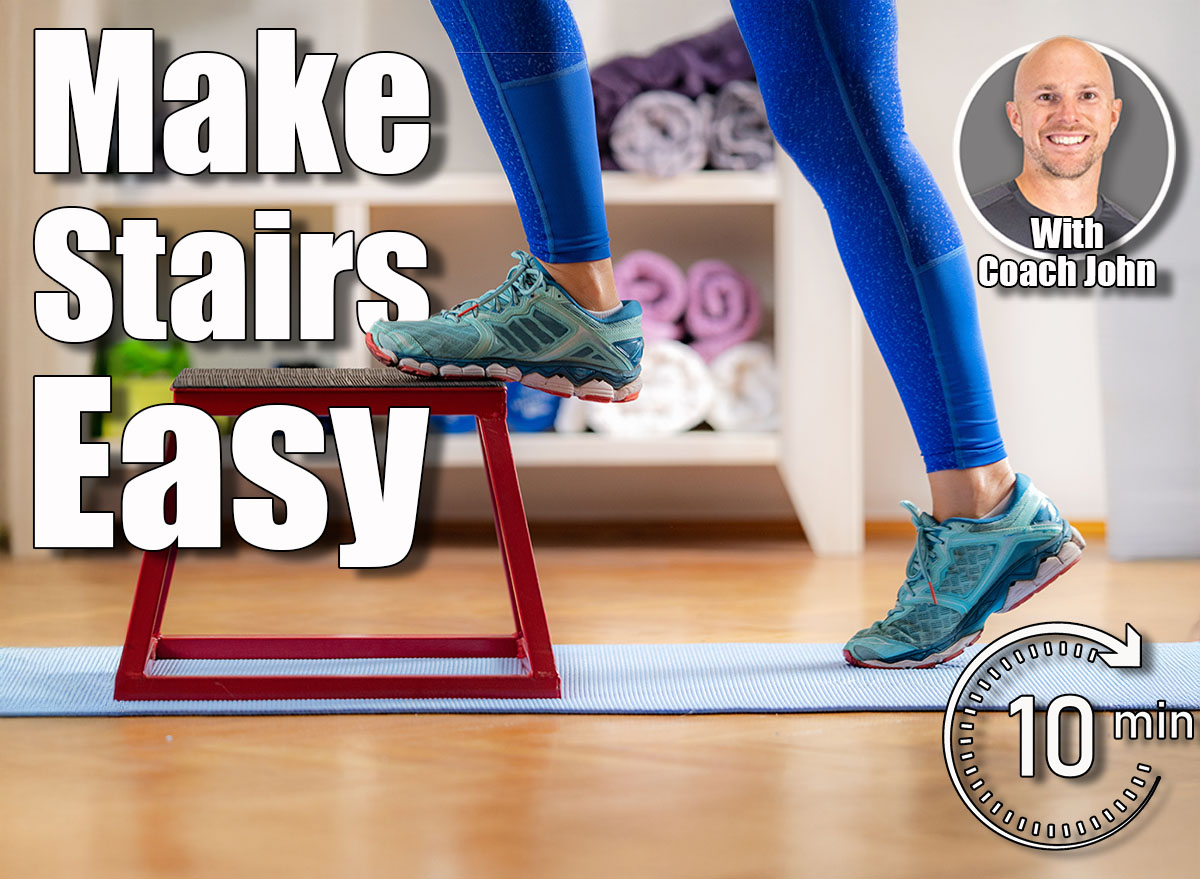
* Step-Ups: Mimic the stair climbing motion directly, building specific strength and endurance. start with a low step and gradually increase the height.
* Calf Raises: Strengthen your calf muscles,providing stability and power during each step.
* Glute Bridges: Target your glutes, essential for powerful hip extension on each step.
Remember to focus on proper form to prevent injuries. Consider working with a qualified fitness professional to ensure correct technique.
Stair Climbing as a Daily Workout
One of the best things about improving your stair climbing ability is that you can integrate it into your daily routine.
* Choose stairs over elevators and escalators whenever possible.
* Incorporate extra rounds up and down the stairs.
* Walk more frequently throughout the day.
These small changes can make a big difference over time. Your body will quickly adapt to the increased demands, and you’ll find yourself feeling stronger and more energetic.
Beyond Strength: Mobility and Adaptability
Strength is only part of the equation. Maintaining good mobility and flexibility is equally significant.
* Regular stretching: Focus on your hamstrings, quads, hip flexors, and calves.
* Dynamic warm-ups: prepare your muscles for activity with movements like leg swings and torso twists.
* Foam rolling: Release muscle tension and improve flexibility.
Prioritizing mobility will help you move more efficiently and reduce your risk of injury.
Listen to Your Body and Progress Gradually
It’s crucial to listen to your body and avoid pushing yourself too hard, especially when starting.
* Start slowly and gradually increase the intensity and duration of your workouts.
* Pay attention to any pain or discomfort and stop if necessary.
* Allow your body adequate time to recover between workouts.
Consistency is key. Small, lasting changes are far more effective than sporadic bursts of intense activity.
Building strength, mobility, and resilience is a journey, not a destination. Embrace the process, celebrate your progress, and enjoy the feeling of conquering any staircase that comes your way. You’ll be amazed at how quickly things bounce back and how much stronger you become.
Worth a look