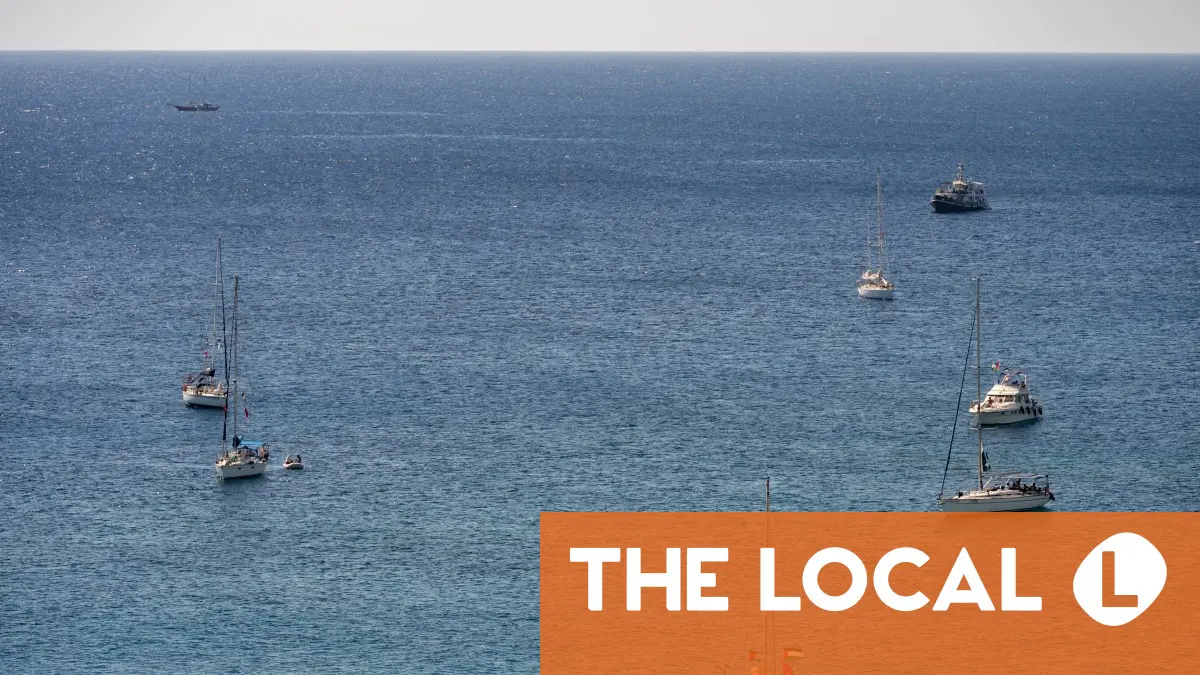
the 2025 freedom Flotilla to Gaza: A Deep Dive into Humanitarian aid, International Law, and Geopolitical Implications
The recent dispatch of a flotilla of ten vessels from Sicily, Italy, towards Gaza on September 28th, 2025, carrying 60 individuals including elected officials from nine nations, represents a significant escalation in international efforts to deliver humanitarian aid to the Palestinian territory. Organized by the Freedom Flotilla Coalition (FFC) and Thousand Madleens to Gaza (TMTG), this mission aims to challenge the ongoing blockade of Gaza, a complex issue steeped in international law, political contention, and urgent humanitarian need. This article provides an in-depth analysis of the flotilla, its objectives, the legal framework surrounding the blockade, potential risks, and the broader geopolitical context.
Understanding the Blockade of Gaza: Origins and Current Status
The Gaza blockade, initiated by Israel and Egypt in 2007 following Hamas’s takeover of the Gaza Strip, is a multifaceted restriction on the movement of people and goods in and out of the territory. Israel maintains its actions are necessary for national security, preventing weapons from reaching Hamas, designated as a terrorist organization by several countries. Though, critics argue the blockade constitutes collective punishment of the Gazan population, severely restricting access to essential supplies, hindering economic development, and exacerbating the humanitarian crisis.
Did You Know? The United Nations has repeatedly called for an end to the blockade, citing its devastating impact on Gaza’s civilian population. A 2023 UN report estimated that over 80% of gazans are reliant on humanitarian assistance.
The scope of the blockade has fluctuated over time.While Israel has eased some restrictions on the entry of certain goods, particularly food and medicine, significant limitations remain on construction materials, industrial supplies, and the export of goods from gaza. Egypt controls the Rafah crossing, the primary exit point for Gazans, and its opening and closing are subject to political considerations. The current situation, as of late 2025, remains critically strained, with limited access to clean water, electricity, and healthcare.
The Freedom Flotilla Coalition and the 2025 Mission: Objectives and Cargo
The Freedom Flotilla Coalition, a global network of pro-Palestinian organizations, has a history of attempting to break the blockade through maritime missions. The 2025 flotilla, building upon previous efforts like the 2010 mavi Marmara incident, aims to deliver vital aid directly to the people of Gaza.
Pro Tip: Understanding the historical context of previous flotilla attempts is crucial for assessing the potential risks and challenges facing the 2025 mission. The 2010 incident resulted in the deaths of ten turkish activists and substantially strained relations between Israel and Turkey.
According to the FFC and TMTG, the vessels are primarily carrying:
* Medical Supplies: Essential medications, bandages, and medical equipment to address the chronic shortages in Gaza’s healthcare system.
* Dry Food: Non-perishable food items to combat food insecurity affecting a large portion of the population.
* School Equipment: Educational materials to support the education of children in Gaza, despite the challenges posed by conflict and limited resources.
the presence of elected officials from European Parliament and countries like Belgium, France, Ireland, Spain, and the United States adds a layer of political significance to the mission, potentially increasing international pressure on Israel to allow the aid to reach Gaza unimpeded.
International Law and the legality of the Blockade
the legality of the Gaza blockade under international law is a contentious issue. Israel argues its actions are justified under Article 51 of the UN Charter, which recognizes the inherent right of individual or collective self-defense. However, critics contend that the blockade does not meet the criteria for a lawful act of self-defense, as it is disproportionate, indiscriminate, and constitutes collective punishment.
Key legal arguments against the blockade include:
* Violation of Freedom of Movement: The blockade restricts the freedom of movement of
Keep reading