Gaza City Faces Devastation as Ceasefire Plan Emerges
Satellite imagery paints a grim picture: large swathes of Gaza City, specifically the Sheikh Radwan neighborhood, have been reduced to rubble. Once a vibrant,densely populated area,it now stands as a stark testament to the ongoing conflict. The scale of destruction is immense, raising critical questions about the future adn the possibility of rebuilding.
The human cost is equally devastating. Voices from within Gaza express a growing sense of desperation and skepticism.
Here’s what Gazans are saying:
* “They negotiate and we are living under the fire, under oppression and injustice.” This sentiment reflects a deep frustration with the pace of diplomacy while facing constant danger.
* “Every day, Gaza is being annihilated and the unjust world watches us.” This highlights a feeling of abandonment and a plea for international attention.
* “We’re dying for God’s sake, as you can see this destruction. Who will rebuild this destruction? Who will do this to Gaza?” This raw question underscores the immediate need for aid and a long-term vision for recovery.
The end of hostilities will necessitate a rebuilding effort of unprecedented proportions. However, achieving even that initial step – a ceasefire – remains a important challenge.
Currently, Qatar and Egypt have formally presented a new peace plan to Hamas. The core of the proposal hinges on a complete release of all hostages held by Hamas, a condition the group has previously resisted. you can understand why this is a major sticking point.
A Diplomatic Shift: The U.S. Role
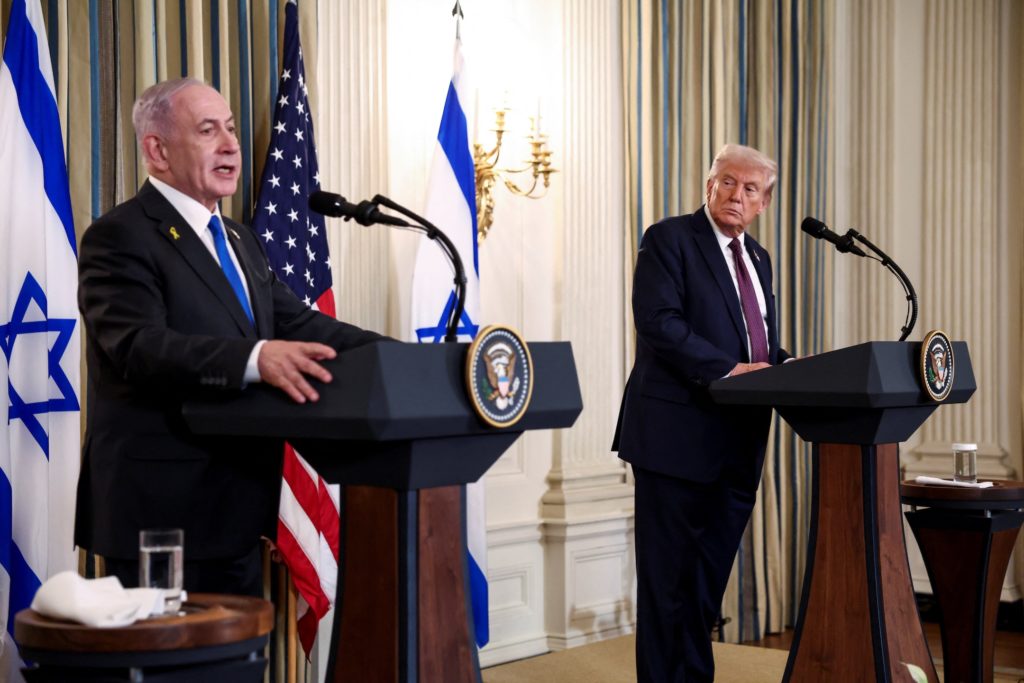
Recent developments suggest a subtle but significant shift in diplomatic efforts, spearheaded by the United States.A remarkable phone call took place, facilitated by the President, between the prime ministers of Israel and Qatar.
This conversation is especially noteworthy given the recent tensions. Just three weeks ago, Israel conducted an airstrike in Doha, Qatar’s capital, targeting – but missing – Hamas leaders.
During a meeting at the White House, the President directly connected the two leaders. Prime Minister Netanyahu reportedly expressed “regret” over the death of a Qatari citizen in the strike and assured Qatar that Israel has “no plan to violate your sovereignty again.” This statement, described by the Qatari ambassador as an apology, represents a rare concession from Netanyahu.
It’s a surprising move, especially considering his previous insistence on a military solution to dismantle Hamas. This willingness to engage in dialog, even with a degree of contrition, occurred on the very day he agreed to consider the President’s peace plan.
What does this mean for you?
It signals a potential willingness to explore all avenues for resolving the conflict, even if those avenues require difficult compromises. The situation remains incredibly fluid, and the path forward is far from certain. However,these recent developments offer a glimmer of hope amidst the devastation.
This is a developing story, and we will continue to provide updates as they become available. The needs of the people of Gaza are immense,and the international community must remain focused on providing humanitarian aid and working towards a lasting peace.
Related reading
- CO2 Capture and Utilization: Technological Breakthroughs and Economic Challenges
- IFFHS: Founded 1984 in Leipzig, Now Based in Zurich
- Trump Unveils $22.5 Billion Plan to Overhaul Dulles Airport Facilities (time.news)
- Google Pixel 11 Pro: Leaks, Price Hikes, and New Glow Color Details (newsdirectory3.com)