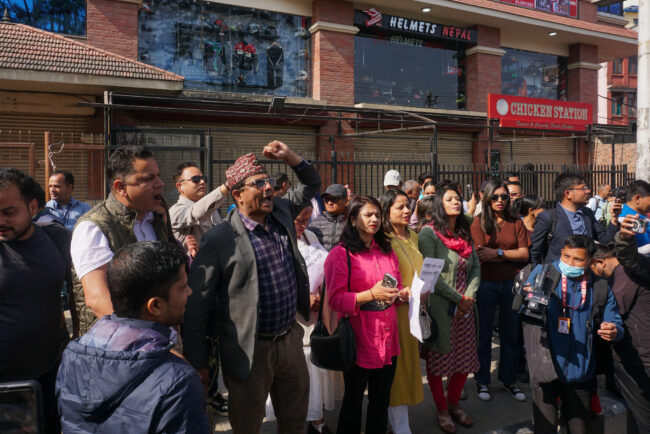
mounting Press Freedom Concerns in Nepal: A growing Threat to Independent Journalism
Nepal’s media landscape is facing increasing pressure, raising serious concerns about press freedom and the ability of journalists to report without fear of reprisal.Recent arrests, proposed legislation, and coordinated tactics are creating a chilling effect, threatening the vital role of a free press in a democratic society. You may be wondering what’s driving these changes and what it means for the future of journalism in Nepal.
A Climate of Fear: Recent Arrests and Harassment
Journalists are increasingly finding themselves targeted for their work. One reporter was recently arrested after publishing investigations into alleged corruption. This case isn’t isolated; watchdog organizations report a disturbing trend of utilizing cybercrime laws to silence critical voices.
These actions create a climate of fear, discouraging journalists from pursuing sensitive stories and holding power accountable. It’s a worrying sign for a country that has historically enjoyed a relatively free press.
New Legislation Raises Red Flags
The government’s actions are unfolding alongside controversial legislative proposals. The Media Council Bill, recently passed by the National Assembly and currently under review, is a major source of concern.
* Media groups and civil society organizations fear the bill will weaken the existing Press Council.
* They believe it will place the council under stricter government control, effectively limiting its independence.
Moreover, a recent amendment to the Printing and Publication Act initially required online news outlets to register with local authorities. While this requirement was temporarily suspended due to widespread opposition, it highlighted a clear intention to exert greater control over online media.
Coordinated Efforts to Control the Narrative
Critics argue these actions are part of a coordinated strategy to bring all media outlets under government control. The goal, they say, is to stifle dissent and limit independent reporting.
this isn’t just about legislation; it’s about a broader effort to shape the narrative and suppress critical voices. You might be asking, what else is contributing to this challenging environment?
The Role of Misinformation and Public Perception
Misinformation circulating on social media is also exacerbating the problem. Often, unverified information is mistaken for legitimate news, fueling public anger towards journalists.
However,it’s crucial to remember that journalists also have a responsibility to ensure the accuracy of their reporting. Maintaining high journalistic standards is essential to combatting misinformation and building public trust.
“Journalists are being targeted by both the state and non-state actors simply for reporting the news,” one leading journalist stated. This underscores the multifaceted nature of the threats facing the media in Nepal.
What Does This Mean for the Future?
The current situation poses a significant threat to the future of independent journalism in Nepal. A free and vibrant press is essential for a healthy democracy, and its erosion has far-reaching consequences.
* it limits public access to information.
* It hinders accountability.
* It undermines democratic principles.
The international community and local stakeholders must work together to protect press freedom and ensure that journalists can continue to report without fear of reprisal. Your support for independent journalism is more critical now than ever.
Worth a look