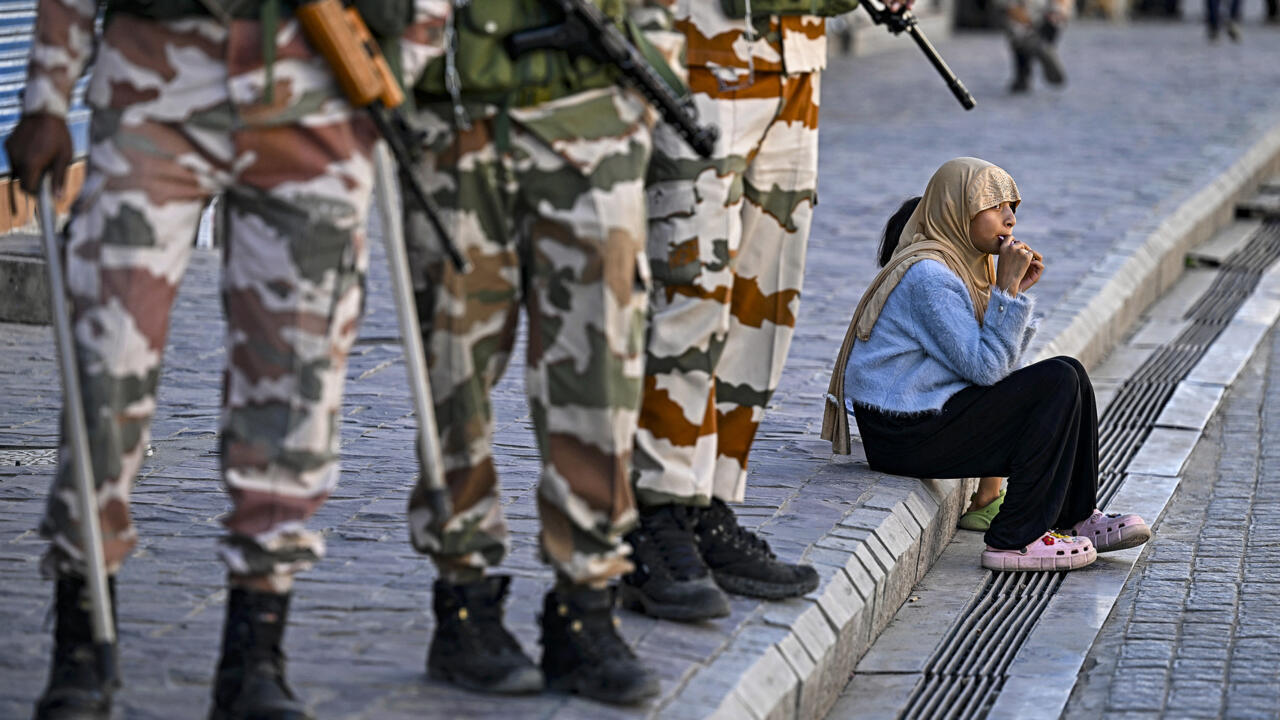
The Fragile Calm in Ladakh: Understanding India-China Border Dynamics and Local Discontent
Ladakh, a high-altitude region nestled between the towering Himalayas, is increasingly becoming a focal point in the complex relationship between India and China. Understanding the current situation requires looking beyond immediate protests and recognizing the deep-rooted historical, strategic, and infrastructural factors at play.You might be wondering what’s driving the recent unrest, and why this region is so critical.
A Militarized Landscape
Consider Ladakh a highly active military zone. Both India and China maintain a significant troop presence – estimates suggest over 100,000 soldiers on each side. This isn’t simply a border dispute; it’s a presentation of power and a long-term strategic investment.
* Both nations have heavily invested in developing the region’s infrastructure, including roads, bridges, and military installations.
* The Line of Actual Control (LAC), the de facto border, remains largely undefined, fueling ongoing tensions.
* The presence of nuclear-armed powers in such close proximity elevates the stakes considerably.
Historical Significance and Unsettled borders
Ladakh’s history is rich and complex, and it holds immense symbolic importance for both countries. China continues to assert its claims, viewing the border as unsettled.This perspective fundamentally shapes their approach to the region. You need to understand that this isn’t a static situation; it’s a dynamic interplay of historical grievances and contemporary strategic calculations.
The Roots of current Discontent
Recent protests and uprisings within Ladakh aren’t isolated incidents. They stem from a growing sense of disenfranchisement and a fear of losing autonomy. The modi government’s policies, particularly regarding land rights and political representation, are contributing to this unrest.
Here’s a breakdown of key concerns:
* Loss of Autonomy: Changes to Article 370 of the Indian Constitution in 2019,which previously granted special status to Jammu and Kashmir (and Ladakh),have raised concerns about erosion of local control.
* Land Rights: Restrictions on land ownership and concerns about demographic shifts are fueling anxieties among the Ladakhi population.
* Political Representation: A lack of adequate political representation and decision-making power is exacerbating feelings of marginalization.
A Delicate Balance and Potential Implications
Currently, a relative calm exists along the India-China border. Though, this peace is fragile. The Modi government’s handling of the protests risks alienating a community that has historically played a crucial role in maintaining stability.
Think about the potential consequences:
* Increased Instability: Continued discontent could lead to further unrest and perhaps destabilize the region.
* Impact on Regional Relations: Instability in Ladakh could strain relationships with neighboring countries.
* strategic Vulnerability: A disgruntled local population could create vulnerabilities for India along the strategically significant border.
Looking Ahead
Ladakh’s future remains uncertain. Determining its long-term autonomy and addressing the legitimate concerns of its people are critical. Ignoring these issues could have far-reaching consequences, not just for India and China, but for the entire region. It’s a situation that demands careful consideration,nuanced diplomacy,and a genuine commitment to addressing the needs and aspirations of the Ladakhi people. You can expect this region to remain a key geopolitical hotspot for the foreseeable future.
Worth a look