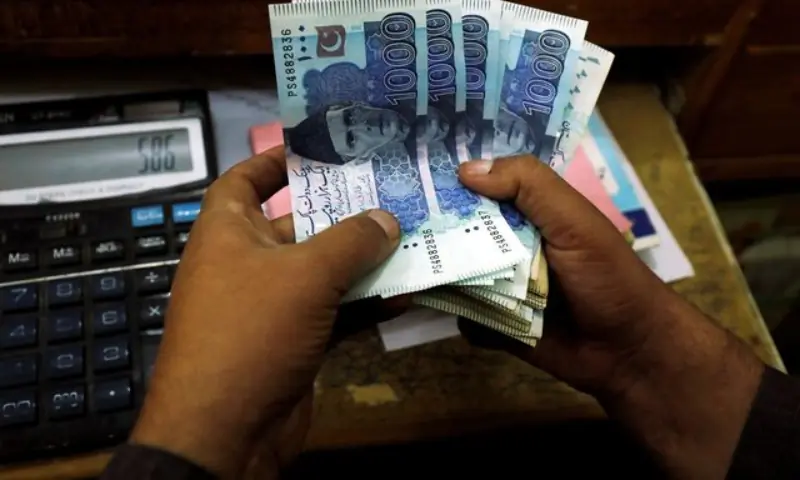
Pakistan Successfully Repays $500 Million Eurobond: A Sign of Economic Recovery
Pakistan has demonstrated its commitment to fiscal responsibility by successfully repaying a $500 million Eurobond on its maturity date, September 30th. This timely repayment isn’t just a procedural step; it’s a powerful signal of a strengthening economy and a more lasting financial future. Let’s break down what this means for you, the investor, and for Pakistan’s overall economic outlook.
Why This Matters: Beyond a Simple Repayment
For years, Pakistan navigated a challenging economic landscape.Concerns about default loomed large in 2023. However, recent developments, coupled with this accomplished bond repayment, paint a decidedly more optimistic picture. Here’s why this is significant:
* Fiscal Discipline: The on-time repayment underscores the government’s dedication to managing its finances responsibly.
* Improved Reserves: Pakistan’s foreign exchange reserves have been steadily improving, providing a crucial buffer against economic shocks.
* Rising Investor Confidence: Recent trading activity shows Pakistan’s bonds are now being traded at a premium, indicating growing investor trust.
* Enhanced Credit Ratings: Upgrades from major credit rating agencies like Fitch,Moody’s,and S&P Global validate the contry’s progress.
A Deeper Dive into the Numbers
The improvements aren’t just qualitative; thay’re reflected in key economic indicators. Consider these figures:
* Debt-to-GDP Ratio: This crucial metric has improved, decreasing from 77% in FY20 to 70% in FY25. This means Pakistan is becoming less burdened by its overall debt.
* External Debt Composition: The share of external debt within the total public debt has fallen from 38% to 32% in FY25. Reducing this exposure minimizes vulnerability to fluctuations in foreign exchange rates.
* Debt Growth Moderation: The pace of debt accumulation has slowed significantly in FY25 compared to previous years, indicating a more controlled approach to borrowing.
These improvements are not accidental. They are the result of purposeful policy changes and a commitment to economic reform.
The Role of international Support & IMF Reforms
Pakistan’s turnaround wouldn’t have been possible without crucial support from international partners. The international Monetary Fund (IMF) played a pivotal role by releasing a vital loan tranche. Moreover, financial assistance from friendly nations like China, the United Arab Emirates, and Saudi Arabia provided essential breathing room.
Though, external aid alone isn’t the full story. Pakistan has actively implemented tough, IMF-prescribed reforms aimed at stabilizing the economy and strengthening macroeconomic indicators. These reforms, while challenging, are laying the foundation for long-term sustainable growth.
looking Ahead: A More Competitive Future
The current positive trajectory positions Pakistan to access global markets on more favorable terms. Easing global borrowing costs,combined with the country’s strengthened fundamentals,create a promising outlook.
This isn’t just about repaying debt; it’s about building a more resilient and sustainable economic future. It’s a steady step forward, demonstrating both responsibility and a renewed capacity for growth. You can expect to see continued efforts to improve the debt profile and attract foreign investment.
Evergreen Insights: Understanding Sovereign Debt & Economic Resilience
Successfully managing sovereign debt is a cornerstone of any nation’s economic health. Here are some timeless principles to keep in mind:
* Diversification of Funding sources: Relying on a single source of funding increases vulnerability. A diversified approach mitigates risk.
* Prudent Fiscal Management: Controlling spending and maximizing revenue are essential for maintaining a sustainable debt level.
* Structural Reforms: Addressing underlying economic weaknesses is crucial for long-term stability.
* Openness & Accountability: Openness and accountability build investor confidence and foster responsible governance.
Frequently Asked Questions (FAQs)
1. What is a Eurobond, and why is its repayment crucial for Pakistan?
A Eurobond is a debt instrument issued in a currency different from the issuer’s domestic currency. Repaying it demonstrates Pakistan’s ability to meet its financial obligations to international investors, boosting confidence.
2. How dose Pakistan’s improved debt-to-GDP ratio benefit the country?
A lower debt-to-GDP ratio indicates a healthier economy, reducing the burden of debt repayment and freeing up resources for investment in crucial areas like education and infrastructure.
**
Keep reading